Leave Your Message

Top 10 Types of Cone Crusher Bowl for Global Buyers

A Cone Crusher Bowl is more than a wear part. Its profile helps shape the crushing chamber, influence material movement, and determine how evenly the liner wears. For global buyers, choosing a bowl means matching its design to the crusher model, feed material, and operating conditions—not simply comparing prices. Small differences in cavity shape can change product size and throughput.

This guide introduces ten common types of Cone Crusher Bowl and explains where their designs may be useful. It considers factors such as coarse or fine crushing, rock hardness, feed size, and liner material. A bowl suited to abrasive granite may not be the best choice for softer limestone. Fit matters, too. Confirming the machine’s make, model, and specifications can help prevent costly ordering errors. Details matter.

Buyers should also ask how the supplier verifies dimensions, material quality, and compatibility. Wear-life estimates are useful, but they depend on site conditions and should not be treated as guarantees. Even a well-made bowl can perform poorly when the chamber is mismatched or maintenance is delayed. The comparison ahead offers practical points for evaluating options, while recognizing that no single design works best for every plant. Real operating records still matter more than a confident product description.
Top 10 Types of Cone Crusher Bowl for Global Buyers

Cone Crusher Bowl Fundamentals: CSS, Feed F80, and Typical 3:1–6:1 Reduction Ratios

A cone crusher bowl sets the chamber profile, but CSS—the closed-side setting—largely determines the discharge opening. Measure it at the narrowest point with the machine stopped and secured. Feed F80 is the screen size through which 80% of the incoming material passes. Comparing feed F80 with product P80 gives a useful reduction-ratio estimate. The SME Mineral Processing and Extractive Metallurgy Handbook (2019) and Wills’ Mineral Processing Technology, 8th edition (2016), provide established guidance on crushing and particle-size measurement.

A 3:1–6:1 reduction ratio is a practical range for many cone-crushing duties, not a promise for every bowl or rock. For example, a 150 mm feed F80 and a 30 mm product P80 imply 5:1. Check the actual gradation; a single oversized stone can distort the picture. A tighter CSS may produce finer material, but it can also raise power draw and wear. Bowl profile, feed distribution, and choke feeding matter too. The figures look tidy. Real material rarely does. Recheck CSS after liner wear, and compare repeated sieve tests before changing settings. That extra check is easy to skip, and sometimes it changes the decision.
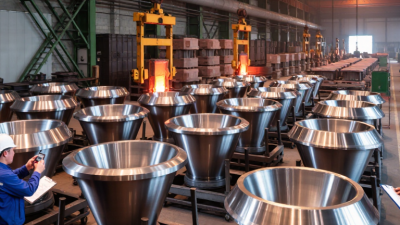
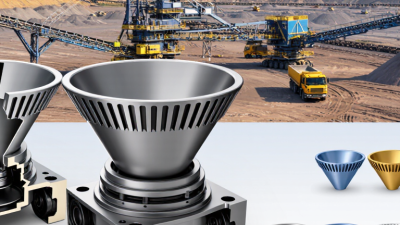
A 10-Profile Taxonomy of Coarse, Medium, Fine, and Specialty Bowl Liners

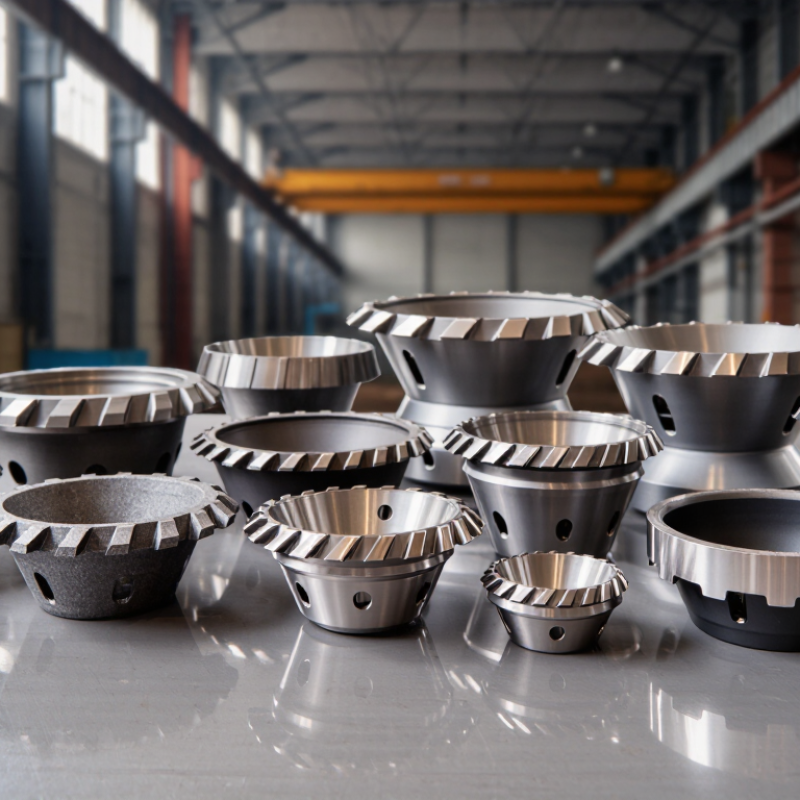
A practical ten-profile taxonomy starts with extra-coarse, coarse, and coarse-medium bowls for large feed and primary reduction. Their wider openings help accept chunky stone, but oversized feed can still bridge. Medium and medium-fine profiles balance feed acceptance with a smaller product. Fine and extra-fine profiles use narrower cavities for tighter gradation, provided the feed is consistently sized. Fit matters more. These labels describe common selection profiles, not a universal industry standard.

Three specialty options complete the group: a high-throughput profile for steady, well-graded feed; an anti-bridging profile for flaky or uneven material; and a high-reduction profile for greater size change in one pass. Selection should consider feed gradation, closed-side setting, crusher speed, power draw, and the target product. Inspect wear patterns, too. A polished band near the feed zone may signal uneven loading, while rapid lower-cavity wear can point to a mismatched profile or setting. Real plants rarely deliver perfectly uniform stone, so trial results may challenge the chart. Confirm dimensions and operating limits against the crusher’s technical documentation before changing liners.

Top 10 Types of Cone Crusher Bowl for Global Buyers - A 10-Profile Taxonomy of Coarse, Medium, Fine, and Specialty Bowl Liners
Profile Type Typical Crushing Stage Feed Characteristics Typical Product Aim Main Selection Consideration
Extra-Coarse Profile Primary or secondary crushing Relatively large, pre-crushed rock; feed must remain within the crusher’s permitted opening and feed-size limits. High throughput with a comparatively coarse product. Choose when feed size and capacity are priorities; confirm the profile is compatible with the crusher model and required closed-side setting.
Coarse Profile Secondary crushing Coarse, well-graded feed from a primary crusher. Coarse aggregate or feed for a later crushing stage. Check the acceptable feed-size range and the resulting product gradation against downstream requirements.
Coarse-Medium Profile Secondary crushing Coarse-to-medium feed with a consistent supply. A balance between capacity and moderate product reduction. Useful where a coarse chamber is too open for the product target but a finer chamber would restrict the feed or capacity.
Medium-Coarse Profile Secondary or tertiary crushing Medium-sized feed, typically after primary reduction. Intermediate aggregate sizes with moderate reduction. Assess feed distribution, choke-feed conditions, and the product-size range required by the next process.
Medium Profile Secondary or tertiary crushing Moderately sized, reasonably consistent feed. General-purpose crushing across a range of aggregate applications. Consider the full operating range, including feed gradation, desired capacity, and closed-side setting.
Medium-Fine Profile Tertiary crushing Smaller, pre-crushed feed with controlled maximum size. More reduction and a finer product than a medium chamber can typically provide. Confirm the feed does not exceed the chamber’s limits and that the downstream screen can handle the resulting gradation.
Fine Profile Tertiary or quaternary crushing Relatively small, well-prepared feed. Fine aggregate or a closely controlled crushed product. Fine chambers generally require suitable feed size and stable operation; verify capacity and product targets for the specific crusher.
Extra-Fine Profile Fine crushing Small feed from an earlier crushing stage, with limited oversize. A finer product where the process circuit is designed for additional reduction. Check the allowable feed size, setting range, and expected throughput; a finer profile is not automatically suitable for every application.
High-Capacity, Wide-Feed Profile Secondary crushing Higher-volume feed within the chamber’s specified feed-size range. Increased capacity where the crusher, power, feed system, and discharge circuit are properly matched. “High capacity” is application- and machine-dependent. Confirm the chamber’s published capacity range and the complete circuit configuration.
High-Reduction or Fine-Product Specialty Profile Tertiary or quaternary crushing Pre-crushed feed suitable for a more intensive reduction chamber. Greater size reduction or a finer product when supported by the process design. Review power draw, feed gradation, setting, wear pattern, and recirculating load; a specialty profile should be selected using application-specific chamber data.

Selection note: Bowl-liner profile names and chamber classifications are not fully standardized across cone-crusher designs. Actual feed limits, capacity, product gradation, and compatible settings depend on the crusher model, liner pairing, material properties, and operating conditions. Confirm fit and application data for the specific machine before ordering.

Comparing Bowl Types by Feed Opening, Chamber Angle, and Product Size

Cone crusher bowl types are best compared by the feed opening, chamber angle, and target product size—not by labels alone. Common profiles include extra-coarse, coarse, medium-coarse, medium, medium-fine, fine, and extra-fine. Standard, short-head, and high-capacity designs are also used, though naming can overlap between suppliers. Check the profile drawing before ordering.

A wider feed opening accepts larger rock and suits coarse crushing, but it does not guarantee higher output. The chamber angle shapes how material moves and compresses. A steeper profile may help move feed through quickly, while a tighter crushing zone can support finer reduction. Actual performance depends on the crusher model, feed grading, and closed-side setting. Small details matter.

For example, a plant receiving 150-millimeter stone may need a coarse bowl with enough opening to avoid bridging. A secondary stage targeting 20-millimeter aggregate may use a finer profile and a smaller setting. Measure the largest feed pieces and inspect the discharge gradation. Wear changes the chamber geometry over time; I have seen a once-reliable setup drift out of spec before operators noticed. It is easy to blame the bowl too soon. Check feed consistency and settings as well.

Wear Materials and Standards: ASTM A128 Manganese Steel and Work-Hardening

For cone crusher bowls, the wear material affects service life, fit, and maintenance intervals. ASTM A128/A128M covers austenitic manganese steel castings, including several grades with different chemistry requirements. A certificate should identify the specified grade and heat treatment, not just say “manganese steel.” That matters.

Manganese steel can work-harden when repeated impact deforms its surface. The outer layer becomes harder while the underlying metal remains more ductile. In a bowl liner, this response depends on feed size, crusher settings, and whether material reaches the chamber consistently. Excessively fine feed or uneven loading may limit useful hardening and create localized wear. Not always.

Choosing a bowl type by alloy name alone is risky. Check the casting dimensions, seating surfaces, and compatibility with the crusher before installation. Ask for heat-treatment records and material test results where available. A simple hardness reading is useful, but it cannot prove the full chemistry or casting quality. Field inspection still matters: record wear depth at repeatable points, and compare readings after similar operating periods. Even then, feed changes can distort the comparison. That is an imperfect measurement, but better than relying on appearance alone.

Global Selection Metrics: CSS, Throughput (t/h), Power (kW), and Crusher Model

When comparing ten cone crusher bowl types, treat CSS, throughput, power, and crusher model as one operating set. CSS means the closed-side setting, measured at the tightest point in the crushing chamber. A finer setting may improve product size, but it can also raise load or reduce capacity. Record the setting under operating conditions, not only from a drawing. Fit matters. Confirm the bowl profile is approved for the specific crusher model and its liner arrangement.

Throughput in tonnes per hour should reflect the actual feed, including its size, hardness, moisture, and grading. A coarse bowl may suit larger feed, while a finer profile can support smaller product targets; neither guarantees a fixed rate. Compare expected throughput with the machine’s power in kilowatts and check motor load during steady production. Numbers need context. Use site records or controlled trial data where available, and note any changes in feed or CSS. A tidy comparison table helps, but it can still hide uneven feed or worn liners. Recheck measurements after installation, because small differences can shift the result.

Top 10 Cone Crusher Bowl Profiles for Global Buyers

Representative selection metrics by bowl profile and generic crusher class. The chart compares indicative throughput planning midpoints with CSS midpoints; the table lists the corresponding ranges and installed power. These broad, illustrative ranges are not manufacturer specifications. Actual results depend on feed size, rock properties, liner condition, and operating conditions.

Bowl Profile Generic Crusher Class CSS Range (mm) Throughput Range (t/h) Installed Power (kW)
Extra-CoarseSmall12–2550–12075–90
CoarseSmall–Medium10–2280–18090–132
Medium-CoarseMedium8–19120–280110–200
MediumMedium6–16150–350132–250
Medium-FineMedium–Large5–13200–450160–315
FineLarge4–12250–600200–400
Extra-FineLarge3–10300–700250–450
Short-Head CoarseLarge5–13350–800315–500
Short-Head FineExtra-Large3–8500–1,200400–800
Short-Head Extra-FineExtra-Large2–6600–1,500500–1,000

CSS means closed-side setting. It is a crusher setting, not a guaranteed product-size measurement. Confirm the required bowl profile and operating range against the crusher’s technical documentation and the intended feed material.