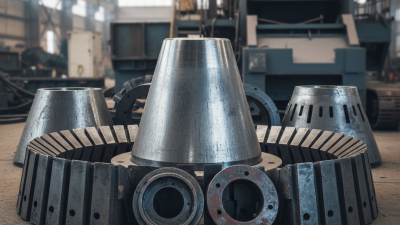
7 Best Cone Crusher Bowl Manufacturers for Global Buyers
Choosing a Cone Crusher Bowl is rarely a simple price comparison. It affects chamber geometry, product shape, wear life, and maintenance intervals. In a quarry, the difference can appear as a thin liner, uneven feed, or several hours of lost production.
Grand View Research estimates that the global cone crusher market will continue growing through 2030, supported by infrastructure, mining, and aggregates demand. Fortune Business Insights also identifies automation, energy efficiency, and equipment replacement as important market drivers. These reports measure cone crushers broadly, not bowl components alone. That limitation matters. Buyers should avoid treating market growth as proof of supplier quality. Industry expert Guillaume Lambert has stressed, “The right chamber design is essential for efficient crushing.” The point is practical. A bowl must match the mantle, feed gradation, material hardness, and crusher model. Otherwise, even premium steel may perform poorly.
This guide reviews seven Cone Crusher Bowl manufacturers for global buyers. It considers material selection, machining accuracy, compatibility, quality control, customization, delivery capability, and after-sales support. Field experience suggests that small details matter. Check the seating surface. Inspect thread protection. Ask for chemistry and hardness records. Request operating references from similar mines or quarries.
No ranking is perfect. Supplier performance can change by region, batch, and application. That is easy to overlook. Therefore, buyers should verify current certifications, drawings, lead times, and warranty terms before ordering. A credible manufacturer should welcome those questions, even when the answers are inconvenient.
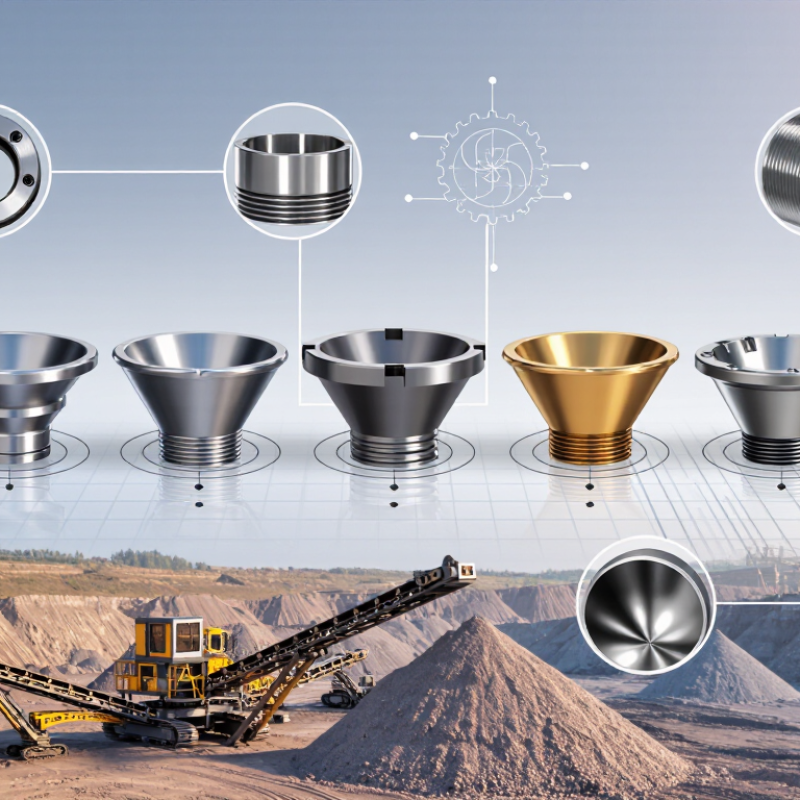
Cone Crusher Bowls: Function, Materials, and Key Design Features
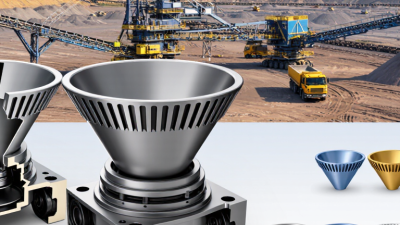
A cone crusher bowl, or concave, forms the stationary crushing surface around the mantle. As material moves through the narrowing chamber, the bowl’s profile helps control compression, product size, and throughput. Small changes in chamber geometry can shift where rock breaks. That matters on site. The U.S. Geological Survey’s Mineral Commodity Summaries 2024 estimated U.S. crushed-stone production at about 1.5 billion short tons in 2023, underscoring the scale of abrasive processing.
Material selection balances wear resistance with toughness. High-manganese steel is widely used because impact can harden its working surface, while the underlying metal remains more ductile. Yet it is not ideal for every feed. Highly abrasive, low-impact conditions may demand a different alloy or operating strategy. ASTM A128/A128M sets specifications for high-manganese cast steel, but a standard alone cannot guarantee service life; feed hardness, chamber fit, and maintenance matter too.
Design details deserve close inspection. Bowl segments should seat evenly, with secure locking features and consistent contact across the support surface. A poorly seated segment can concentrate loads, accelerate wear, or complicate replacement. Check the crushing profile against the target feed and required product, then compare wear measurements over time. Keep records. Even experienced crews can misread uneven wear as a material problem when the chamber setting is responsible. One caveat: published wear-life figures are difficult to compare unless operating conditions match.
How to Evaluate Cone Crusher Bowl Manufacturers
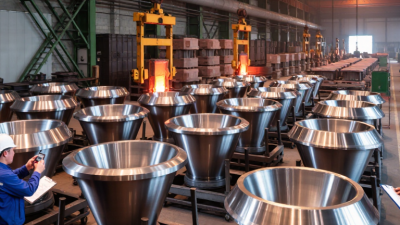
Selecting the seven best cone crusher bowl manufacturers requires more than comparing catalog prices. In field procurement, bowl fit, alloy quality, and delivery consistency often decide operating cost. Ask for drawings, material certificates, and inspection records before discussing volume. A reliable manufacturer should explain bowl profiles, liner compatibility, and expected wear life for your feed rock. Short answers deserve caution.
Review manufacturing experience through similar applications, not impressive website claims. Request references from quarries processing granite, basalt, or abrasive recycled aggregate. Confirm machining tolerances with measurable figures. The bowl must seat correctly, without uneven contact or repeated adjustment. Ask how heat treatment is controlled and documented. Photos help, but independent inspection provides stronger evidence. Check packaging, corrosion protection, spare-part labeling, and export documents. Small omissions can stop a large crusher.
Evaluate technical support after shipment. Can engineers read your operating data and recommend a bowl profile? Do they provide installation guidance and failure analysis? A serious supplier records complaints, investigates cracking, and changes processes when evidence demands it. Yet no manufacturer can promise identical wear life in every quarry. Rock hardness, CSS, moisture, and operator practice change the result. I would score each candidate against the same checklist, then test a limited order. That approach is less exciting, but it exposes weak claims early. Pricing matters, but traceability and dimensional control matter more.
Seven Leading Cone Crusher Bowl Manufacturers for Global Buyers
A buyer comparing seven leading cone crusher bowl manufacturers should look beyond quoted price.
Bowl fit, alloy consistency, machining accuracy, and local service determine whether a replacement performs reliably. The International Energy Agency’s Global Critical Minerals Outlook 2024 reported lithium demand grew 30% in 2023, while demand for nickel, cobalt, graphite, and rare earths rose 8% to 15%. That growth puts pressure on processing capacity and wear parts. Yet a polished brochure proves little. Ask for material certificates, heat-treatment records, dimensional inspection results, and references from comparable rock conditions.
A useful seven-supplier comparison can cover integrated crusher makers, specialist foundries, aftermarket casting producers, alloy-focused manufacturers, precision-machining suppliers, regional service networks, and custom-design suppliers. Check bowl geometry against the machine model, then confirm lead times and replacement-part availability. The US Geological Survey’s Mineral Commodity Summaries 2025 estimated world copper mine production at about 23 million metric tons in 2024, underscoring the scale of mineral processing needs. Still, broad market figures cannot predict one site’s wear rate. Request a clear warranty and inspect a sample casting where possible. Small flaws matter. A smooth surface can hide inconsistent thickness. I would compare test records carefully; buyers sometimes overvalue a low unit price.
Quality Standards, Customization, and Production Capabilities
A cone crusher bowl is a working surface, not a generic steel part. Buyers should ask manufacturers how they control alloy composition, heat treatment, hardness, and dimensional accuracy. These details affect wear life and how reliably the bowl fits the crusher. Fit matters. Request inspection records and confirm which measurements are checked before shipment. A certificate is useful, but it cannot replace clear acceptance criteria.
Customization should begin with the machine model, operating conditions, and the feed material. A manufacturer may offer different profiles or material options, but recommendations should come with a technical reason. Ask how design changes affect capacity, wear patterns, and replacement intervals. Small differences count. Drawings, tolerances, and revision records help prevent costly misunderstandings, especially when buyers and factories work across different time zones. It is worth checking every dimension twice; specifications can still leave room for interpretation.
Production capability matters when urgent replacements are needed. Buyers can ask about casting capacity, machining equipment, batch traceability, and typical lead times. A realistic schedule is more helpful than a very short promise. Request photos or reports from relevant production stages, and clarify how defects are handled. Not every supplier will have the same testing equipment. That limitation should be stated plainly, so buyers can decide whether additional inspection is needed before dispatch.
Shipping, After-Sales Support, and Final Supplier Selection
7 Best Cone Crusher Bowl Manufacturers for Global Buyers
Shipping and after-sales support can matter more than the initial quotation. UNCTAD’s Review of Maritime Transport reports that over 80% of global merchandise trade by volume moves by sea. Therefore, buyers should confirm seaworthy packing, lifting points, container dimensions, and moisture protection before payment. Ask for the shipping term, estimated transit time, export documents, and cargo insurance responsibility. A supplier that answers vaguely may create delays at the port. The World Bank’s Logistics Performance Index 2023 also measures timeliness, tracking, and logistics competence. These factors deserve a place in every supplier scorecard.
After delivery, support becomes measurable. Request a written response-time target, installation guidance, wear inspection instructions, and access to replacement bowls and related parts. Ask whether technical staff can review operating data remotely. A practical test is simple: send the same technical question to each manufacturer and compare the detail of its reply. I would not select the lowest price automatically. A cheaper bowl can become expensive after one missed shipment or an unclear warranty. However, service promises without evidence are also weak.
Tips: Require a packing photo before dispatch. Check serial numbers against the invoice. Keep two critical spare sets when regional transport is uncertain. Score each supplier on product fit, delivery reliability, documentation, warranty clarity, and technical response. Leave room for doubt; even a polished quotation may hide exclusions.
7 Best Cone Crusher Bowl Manufacturers for Global Buyers — Shipping, After-Sales Support, and Final Supplier Selection
A practical checklist for evaluating suppliers without relying on brand-specific performance claims.
How to read this chart: The bars count the checks in this buyer-created checklist; they are not supplier ratings or market survey results. Verify shipping terms, lead time, packaging, and export documents; confirm warranty, spare-parts availability, technical support, and response arrangements; then compare material specifications, drawing compatibility, quality records, and total delivered cost.