Leave Your Message

7 Tips for Choosing Cone Crusher Wear Parts

Selecting the right Cone Crusher Wear Parts can affect throughput, product shape, energy use, and the time between shutdowns. The choice is not simply about buying the hardest alloy. Mantle and concave profiles should suit the crusher model, feed size, rock abrasiveness, and closed-side setting. Fit comes first. A part that looks similar may still seat poorly or wear unevenly.

Abrasive granite can create different wear demands than softer limestone, while mixed feed may make service life less predictable. Compare wear patterns, measure remaining liner thickness, and review maintenance records before ordering. These observations offer more useful guidance than a catalogue description alone. Small details matter. Check dimensions, alloy specifications, and compatibility with the crusher manufacturer’s recommendations. Ask suppliers how their proposed parts perform under conditions like yours, and what technical support they provide if wear differs from expectations.

This guide outlines seven practical tips for evaluating material, profile, fit, supplier support, and total cost over a service interval. It is designed to help maintenance teams and buyers ask more precise questions before committing to a replacement. No selection method can predict every operating change. That is worth remembering. Feed conditions shift, and even a well-matched liner may wear sooner than planned. Careful records and regular inspections help turn each replacement into a better-informed decision.
7 Tips for Choosing Cone Crusher Wear Parts

Understand the Role of Cone Crusher Wear Parts

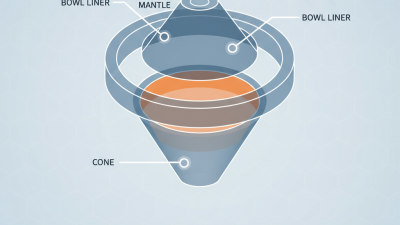
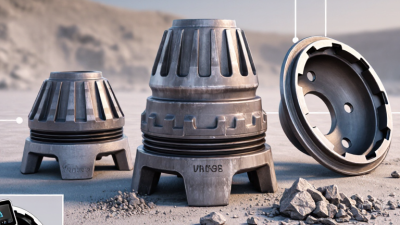
Cone crusher wear parts form the crushing chamber and absorb repeated pressure, impact, and abrasion. The mantle moves against the concave, compressing rock until it breaks into smaller pieces. Their shape is not merely protective. It helps determine how material flows through the chamber and affects product size and throughput.

A worn profile can leave uneven gaps, reduce capacity, or produce a less consistent gradation. Look at the feed material, operating conditions, and target product before choosing a wear profile or alloy. Hard, abrasive rock may call for different wear resistance than softer, more variable feed.

There is no universal best option. Check wear regularly, and record measurements at consistent points. Photos of the mantle and concave can reveal changes that are easy to miss during a quick inspection. Small details matter.

In practice, a part that lasts longer may still be a poor choice if it disrupts production or makes the desired product harder to achieve. That trade-off is sometimes overlooked. Compare actual service life, output, and maintenance records rather than relying on a single wear-life estimate.

Installation and chamber setup also affect performance, so confirm compatibility with the crusher specifications and follow qualified maintenance procedures.
Match Wear Parts to the Crusher Model and Material

Tip 1: Match the wear parts to the exact cone crusher model, not just its size. Check the model plate, manual, and liner drawings before ordering. Mantle and concave dimensions, seating surfaces, and fastening details must fit correctly. Fit matters. A small mismatch can cause uneven contact or complicate installation. I would check the model number twice; it is easy to overlook one character.

Tip 2: Choose the liner profile for the material and crushing stage. Hard, abrasive rock, especially with high silica content, can wear liners quickly. Tough, coarse feed may need a different chamber profile from fine, well-graded feed. Consider the feed opening, closed-side setting, and target product size together. One detail is often missed: wet, sticky material can affect flow and wear patterns, so dry-rock assumptions may not hold.

Tip 3: Compare material specifications with actual site conditions. Ask for documented alloy and hardness information, then review it against your feed and operating data. Keep notes on tonnes processed, liner life, and wear patterns after each change. These records make later choices more reliable, even if the first selection is not perfect. When the profile or alloy is uncertain, confirm compatibility with the equipment documentation before fitting parts.

Compare Alloy Types and Expected Wear Resistance

Choosing cone crusher wear parts starts with matching alloy behavior to the material and operating conditions. Manganese steel is a common choice when the chamber sees strong impact and compression. Its surface can work-harden during operation, while the underlying metal remains tougher. It may wear quickly in highly abrasive, low-impact applications. Watch for uneven wear across the mantle.

High-chrome iron offers strong resistance to sliding abrasion, which can help with hard, abrasive feed. Its hardness comes with lower toughness, however, so sudden impacts or tramp material may increase cracking risk. Alloy steel can provide a middle ground, depending on its heat treatment and composition. Ask for test data under comparable conditions, not just a hardness figure. That detail matters.

No alloy wins everywhere. Useful, but imperfect. Expected wear life also depends on feed size, moisture, closed-side setting, and whether the chamber is consistently loaded. A practical comparison uses tonnes processed, wear measurements, and the shape of the worn surfaces. If one side wears much faster, check feed distribution and setup before blaming the alloy. Track results across several changeouts; a single run can mislead.

Check Part Fit, Manufacturing Quality, and Compatibility

Before ordering cone crusher wear parts, verify the exact crusher model, assembly, and part number. Small differences matter. Compare the supplier’s drawing with the part being replaced, including mounting points, seating surfaces, and cavity profile. A liner that looks close may still sit unevenly or leave an unwanted gap. Check clearances against the equipment manual, and ask for dimensions when drawings are unclear. Do not rely on photos alone.

Manufacturing quality deserves more than a hardness figure. Ask how the alloy is specified, how heat treatment is controlled, and whether dimensional inspection records are available. Hardness can affect wear life, but it does not tell the whole story. Compatibility matters too: match the part to the crusher configuration, feed size, material abrasiveness, and operating conditions. A part suited to one application may wear poorly in another. Keep notes on liner changes and wear patterns; a simple photo before removal can reveal uneven contact or unexpected damage. There is no perfect shortcut. Even careful checks can miss a detail, so confirm fit and operating recommendations with a qualified technician before installation.

Balance Service Life, Replacement Needs, and Total Cost

Choosing cone crusher wear parts is a balance, not a search for the longest-lasting alloy. A part that lasts longer may cost more upfront or take longer to obtain. Compare its expected service life with replacement labor, lost production, and delivery time. Keep records of operating hours, tonnage, feed size, and liner changes. These details make estimates more useful than relying on a single supplier’s lifespan figure.

Tip 1: Match the wear profile to the feed and operating conditions. Check for uneven wear near the feed opening or discharge area; it may signal a mismatch or process issue. Tip 2: Estimate the cost per ton, not just the purchase price. Include shutdown hours and the crew time needed for each change. Small costs add up.

Tip 3: Consider replacement timing. A part that wears predictably can be easier to schedule than one that lasts longer but fails unevenly. Tip 4: Check availability before standardizing on a part. A long-life option offers little value if a replacement is unavailable when the crusher stops. Review your maintenance records regularly. They are imperfect, but real operating data can still challenge a tidy spreadsheet.

7 Tips for Choosing Cone Crusher Wear Parts

Typical hardness ranges for common wear-resistant materials (HBW)

Hardness ranges are indicative and vary by grade, heat treatment, and test conditions. Match the material to the feed abrasiveness and impact level, then compare service life, changeout frequency, and total cost per ton. Hardness alone does not predict liner life; confirm suitability with your crusher and material supplier.