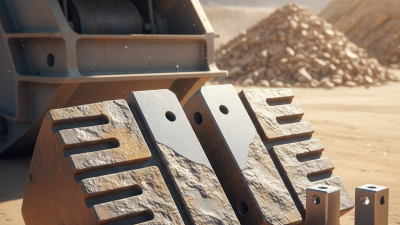
Top Gyratory Crusher Parts You Need in 2026?
As we look ahead to 2026, the role of Gyratory Crusher Parts will remain crucial in the mining and construction sectors. Industry expert Dr. Emily Carter, a leading figure in crusher technology, states, “The right parts can significantly enhance operational efficiency.” This insight underscores the urgency of selecting the best components for these machines.
In a rapidly evolving market, Gyratory Crusher Parts must adapt to new challenges. Increasing demands for durability and performance are reshaping the parts landscape. Companies need to stay informed about innovations. The right mix of quality and technology will differentiate success from failure.
However, identifying top parts can be daunting. With numerous options available, understanding their unique benefits is vital. Professionals must engage continuously with suppliers. They should assess longevity and compatibility. Getting it right is essential, as errors can lead to costly downtime and repairs. The need for reliable and effective Gyratory Crusher Parts is undeniable.
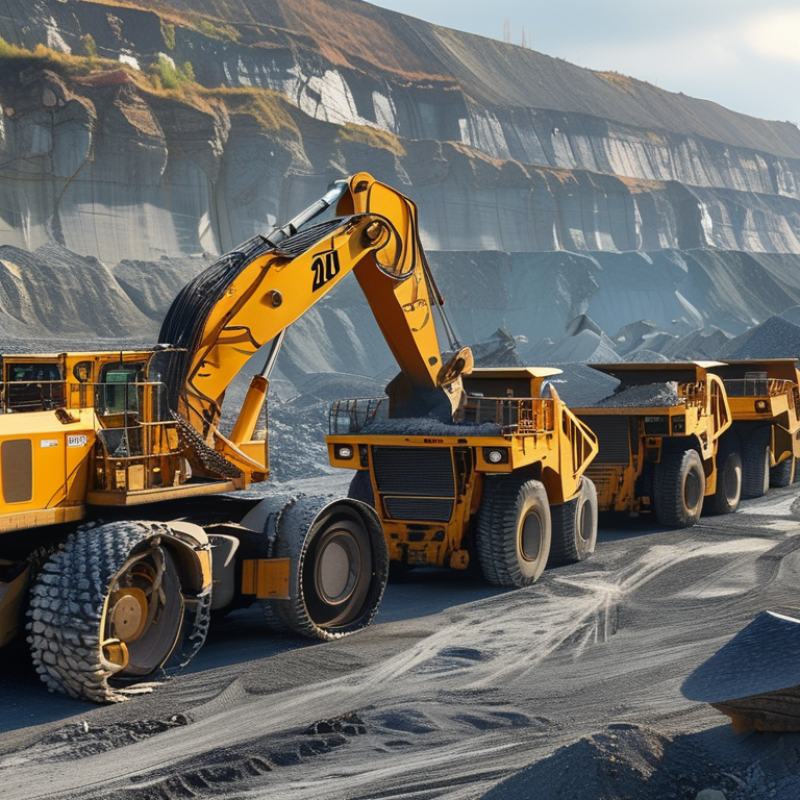
Key Components of Gyratory Crushers: An Overview
Gyratory crushers are essential in mining and aggregate industries. Their key components play a vital role in performance and efficiency. Understanding these parts can help operators make informed decisions.
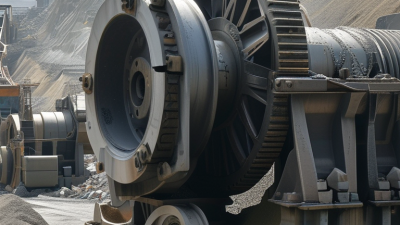
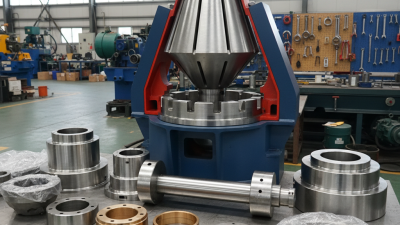
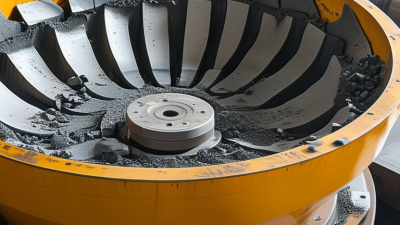
The main parts include the mantle, concave, and spider. The mantle is the moving piece that crushes materials. It needs regular inspection. Wear and tear can affect its effectiveness. The concave is the stationary part that encloses the mantle. It also experiences wear and requires timely replacement for optimal functioning.
Another important component is the spider. It supports the main shaft and keeps the parts in alignment. A damaged spider could lead to catastrophic failures. Proper maintenance of these components is essential. Operators must track their condition closely. Gyratory crushers are complex machines, and overlooking details can lead to costly downtimes. Make sure to stay proactive in upkeep.
Top Gyratory Crusher Parts You Need in 2026
This chart displays the importance rating of key components of gyratory crushers that are vital for maintenance and performance in 2026, rated on a scale from 1 to 10.
Importance of High-Quality Materials in Crusher Parts
The quality of materials used in gyratory crusher parts significantly influences performance and longevity. According to industry reports, using higher-grade steel can increase the lifespan of wear parts by up to 30%. This is particularly crucial in harsh mining and aggregate environments, where equipment faces immense stresses.
Investing in durable materials not only improves the efficiency of operations but also reduces costs in the long run. A report from a renowned mining association indicates that maintenance expenditures can account for 15-20% of operational costs. Using high-quality components minimizes these costs by reducing downtime and the frequency of replacements.
However, not all manufacturers adhere to stringent quality controls. There are instances where subpar materials are used to cut costs. Such practices can lead to frequent breakdowns and a safety risk. Operators must ensure that choices made for parts are backed by data and expert recommendations. Quality assurance is vital to sustain productivity and protect investments in the machinery.
Trends in Gyratory Crusher Technology for 2026
As we look towards 2026, the trends in gyratory crusher technology are fascinating. Advances in automation are leading the way. Smart controls will enhance operational efficiency. These systems reduce downtime and improve safety for operators. Real-time data analytics will help identify potential issues early, minimizing disruptions.
The materials used in gyratory crushers are also evolving. More durable alloys will allow machines to withstand higher stresses. This results in longer lifespans for crusher components. However, manufacturing these advanced materials poses challenges. The complexity of production may lead to increased costs. Not every company can adopt these innovations seamlessly.
Sustainability is another key focus. Manufacturers are exploring eco-friendly designs and energy-efficient operations. Gyratory crushers are expected to use less power while processing more materials. Yet, these changes require careful planning. Balancing performance and environmental impact leads to tough decisions. Stakeholders must continuously evaluate their needs versus technological advances.
Essential Maintenance Practices for Gyratory Crusher Parts
Effective maintenance practices for gyratory crusher parts are crucial for optimal performance in 2026. Regular inspections are essential. A study showed that unplanned downtime can cost operations up to $1 million per hour. Conducting routine checks can help identify issues before they escalate. Keep an eye on wear parts. Monitoring can extend their lifespan significantly.
Lubrication is another key factor. Proper lubrication minimizes friction and reduces wear. Data indicates that well-lubricated components last about 30% longer than those that aren’t. An effective schedule for oil changes should be in place. This is a basic yet often overlooked element. Operators sometimes neglect this step, leading to performance losses.
Training for maintenance staff can also enhance reliability. Studies show that 58% of maintenance errors stem from insufficient training. Operators must understand the specifics of their equipment. Investing in staff development prevents costly mistakes and enhances operational efficiency. It’s vital to create a culture of continuous improvement. Many facilities still struggle with this, yet it’s essential for longevity.
Future Innovations and Upgrades in Gyratory Crusher Design
In 2026, gyratory crushers will experience significant innovations. Engineers are focusing on enhanced efficiency and reduced operational costs. According to a recent report by the Global Mining Equipment Market, advancements in material science will lead to stronger and lighter components, optimizing performance. New alloys may resist wear better and extend lifespan.
A notable trend is the integration of smart technology. Sensors will monitor wear and tear. Real-time data can improve maintenance schedules and minimize downtime. Predictive analytics will allow for proactive parts replacement before failures occur. This shift could reduce overall maintenance costs by up to 20%, based on industry studies.
Tips: Choose suppliers who prioritize R&D. Verify that parts are tested under rigorous conditions. Regularly review technology upgrades to stay competitive. Reflecting on existing strategies can reveal gaps. A willingness to adapt is crucial in a rapidly changing market.