2026 Best Jaw Crusher Wear Parts Guide for Global Buyers?
In the world of mining and construction, Jaw Crusher Wear Parts play a critical role. These components are essential for the efficient operation of jaw crushers. As such, selecting the right wear parts can greatly influence productivity and cost-effectiveness. This guide is designed for global buyers seeking valuable insights into the best choices available in 2026.
Many manufacturers offer a range of options. However, not all wear parts are created equal. Buyers must evaluate factors such as material quality, durability, and supplier reputation. A reliable supplier will provide parts that meet industry standards. Quality wear parts reduce downtime and maintenance costs. Yet, some buyers still overlook these aspects.
When purchasing Jaw Crusher Wear Parts, it is crucial to consider both performance and longevity. Be wary of cheaper alternatives that may compromise quality. Investing in high-quality parts pays off in the long run. This understanding fosters a more informed decision-making process. Ultimately, making the right choice in wear parts can lead to significant benefits for operations worldwide.
Overview of Jaw Crusher Wear Parts and Their Importance
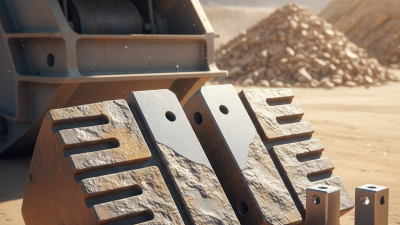
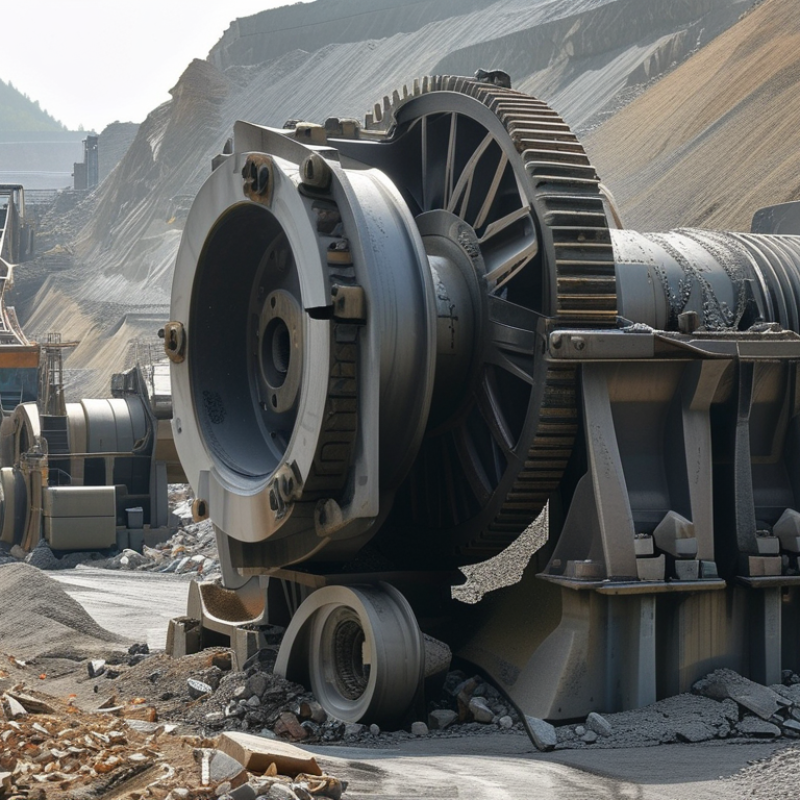
Jaw crusher wear parts play a crucial role in the efficiency and longevity of crushing equipment. These components include jaw plates, cheek plates, and toggle plates. Their primary function is to withstand the high levels of wear and tear during the crushing process. As materials are crushed, these parts absorb significant impact and friction. Choosing the right materials for wear parts is essential for optimal performance.
When selecting jaw crusher wear parts, consider the material composition. High manganese steel is popular for its toughness and ability to deform without breaking. However, some users may overlook the importance of proper maintenance. Regular inspection can reveal significant wear before it leads to more substantial problems.
Tips: Always store wear parts in a clean, dry area to prevent corrosion. It's essential to monitor the condition of the wear parts closely and replace them as needed to avoid unexpected downtimes. While quality is inherent, not all parts will perform equally in harsh conditions. Assess your specific use case to make informed choices about wear parts. This proactive approach can extend the lifespan of your equipment and improve productivity. Remember, neglect can lead to costly repairs and operational delays.
Common Materials Used for Jaw Crusher Wear Parts
When it comes to jaw crushers, wear parts play a crucial role in performance. Understanding the materials used for these components is essential for global buyers. The most common materials include high manganese steel, alloyed steel, and ceramic composites.
High manganese steel is the industry standard due to its toughness and resistance to deformation. This material can handle the stress of crushing while maintaining longevity.
Alloyed steel offers enhanced hardness and reduced brittleness. It is often used in applications requiring high wear resistance. Ceramic composites, while less common, provide excellent abrasion resistance and reduced weight. Choosing the right material depends on the application and operating conditions.
Tips: Always analyze the specific needs of your operation. Consider factors like material hardness and expected wear rates. This will help you select parts that best fit your requirements. Durability is vital, but keep in mind that some materials may not perform as expected in all conditions. It’s wise to test different options to find the most suitable one. Experimenting with your options will yield better results in the long run.
Factors to Consider When Selecting Jaw Crusher Wear Parts
When selecting jaw crusher wear parts, several key factors should be considered. Material composition is crucial. High-quality materials offer better wear resistance and longevity. For example, manganese steel is often recommended for its durability. Yet, not all manganese parts are created equal. Variations in alloy content can lead to inconsistent performance.
Fit and compatibility are also important. Parts must align perfectly with the jaw crusher to ensure efficient operation. Misalignment can cause premature wear or even equipment failure. It's wise to examine the manufacturer's specifications closely. However, even reputable sources may occasionally provide misleading information.
Moreover, check for production methods. Parts that are cast may differ significantly from those that are forged. Forging typically enhances strength. Still, this doesn't guarantee suitability for every application. Each crushing operation has unique demands. Reflecting on these factors will lead to more informed purchasing decisions.
2026 Best Jaw Crusher Wear Parts Guide for Global Buyers
| Part Type |
Material |
Hardness (HRC) |
Typical Lifespan (Hours) |
Cost per Unit ($) |
| Swing Jaw Plate |
High Carbon Steel |
50-60 |
2000 |
150 |
| Fixed Jaw Plate |
Manganese Steel |
60-70 |
2500 |
160 |
| Cheek Plates |
High Manganese Steel |
50-60 |
1500 |
80 |
| Toggle Plate |
Cast Iron |
40-50 |
1000 |
70 |
| Wedges |
Alloy Steel |
40-50 |
1200 |
60 |
Global Market Trends in Jaw Crusher Wear Parts Manufacturing
The global market for jaw crusher wear parts is witnessing significant changes driven by various factors. According to recent industry reports, the demand for high-quality materials is increasing, reflecting a growing emphasis on sustainability and durability. Advanced materials like manganese steel and ceramic composites are leading the way in enhancing wear resistance and lifespan, offering promising solutions for manufacturers. For instance, a study published in 2023 noted a 15% rise in the adoption of such materials over the past year.
The manufacturing processes are evolving as well. Automation and digital technologies are becoming crucial. These innovations not only improve efficiency but also reduce waste during production. However, the transition can be challenging. Many companies struggle to integrate these new technologies, leaving gaps in productivity. These factors highlight the importance of continuous adaptation in a rapidly changing market landscape.
Tips: Consider exploring local suppliers who can provide tailored solutions. Price comparison is vital, but prioritize quality to ensure longevity in wear parts. Additionally, investing in training for staff on the latest technologies can bridge the gap and enhance operational efficiency. Remember, constant improvement is key to staying competitive in this dynamic environment.
Best Practices for Maintaining Jaw Crusher Wear Parts
Maintaining jaw crusher wear parts is essential for optimal performance. Regular inspection is a crucial practice. Operators should check for signs of wear, cracks, and deformation. A simple visual inspection can often highlight problems before they escalate. Additionally, understanding the specific wear patterns provides valuable insight into potential issues. Each crusher operates under unique conditions. Thus, wear patterns may vary significantly.
Another important aspect is proper lubrication. Keeping wear parts adequately lubricated can significantly extend their lifespan. Regular maintenance routines should include checking grease levels and ensuring there are no blockages in lubrication lines. However, it's not uncommon to overlook these seemingly minor tasks, leading to severe wear and tear.
Education plays a critical role as well. Operators should seek training on the latest techniques and technologies in wear part management. Engaging with experts can help identify best practices and common pitfalls. Nonetheless, some operators may hesitate to adopt new methods, leading to outdated practices. Embracing change is essential to enhance efficiency and reliability in jaw crusher operations.