- Home
- About Us
- Products
- News
- Blog
- Contact Us
Leave Your Message
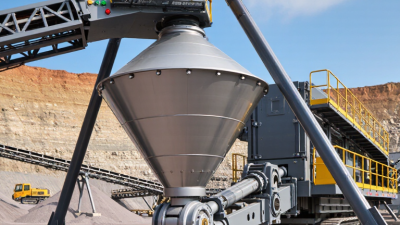
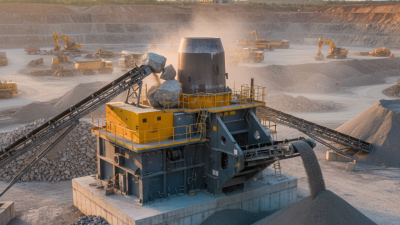
A Cone Crusher is a heavy-duty machine that reduces rock into smaller, more usable pieces. It commonly works after primary crushing in mining, quarrying, and aggregate production. Its rounded chamber contains a fixed outer surface and a moving mantle. The mantle turns or gyrates inside the chamber, creating repeated compression.
When feed material enters from the top, the mantle presses it against the concave liner. Rock breaks when the applied force exceeds its strength. Smaller particles move downward through the narrowing chamber. They leave through the discharge opening at the bottom. The opening size strongly influences the final product. It also affects capacity, power use, and liner wear.
This explanation is accurate, but real crushing is less tidy. Moisture can make fine material cling to surfaces. Oversized rocks may disturb steady operation. Experienced operators watch vibration, oil temperature, feed level, and unusual sounds. These details often reveal problems before visible damage appears. Correct settings should follow the manufacturer’s manual and site procedures. Engineers also consider rock hardness, abrasiveness, and required product grading. A wider opening may increase output, but it can produce larger particles. A tighter setting may improve grading, yet it can raise power demand and wear. Small adjustments matter. This guide will examine the main components, crushing cycle, operating variables, and maintenance concerns. It will also question common assumptions, because a simple diagram cannot show every condition inside a working Cone Crusher.
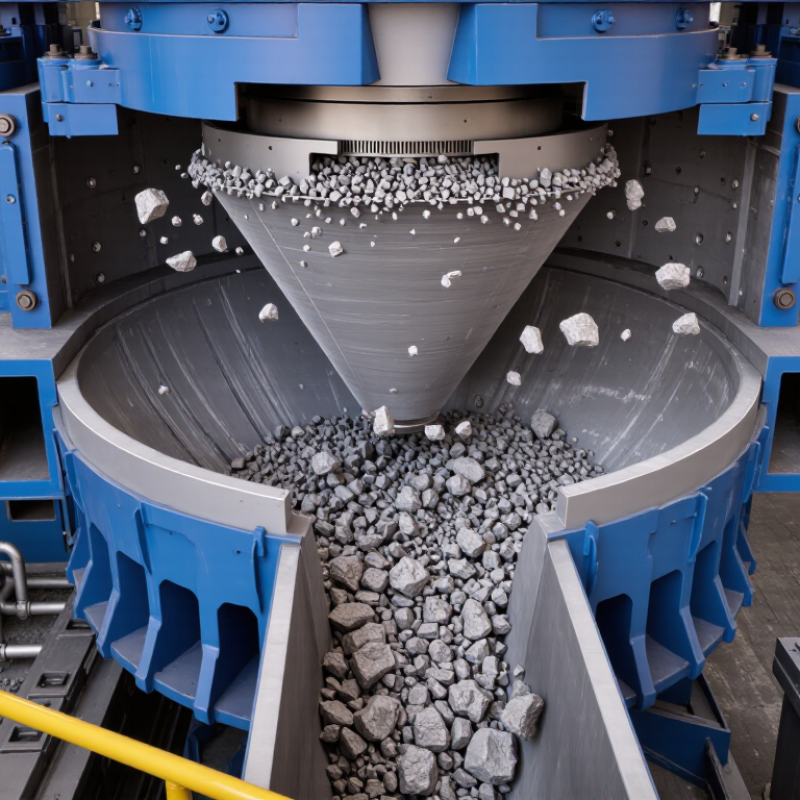
A cone crusher is a compression machine used to reduce hard rock into smaller, controlled sizes. It works by squeezing material between a moving mantle and a fixed concave liner. The mantle gyrates inside the concave rather than rotating on one central axis. This repeated crushing action creates a more cubical product than simple compression alone. In quarry practice, feed size, rock hardness, and moisture strongly affect performance. The design seems simple. Yet definitions can blur.
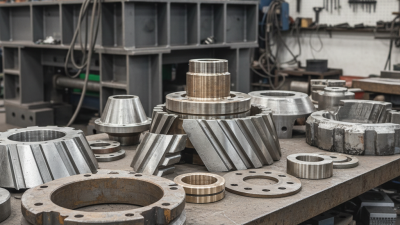
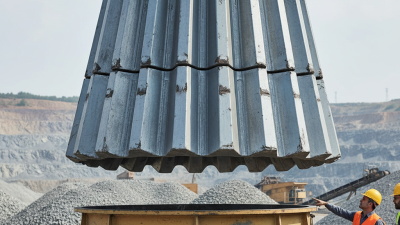
The main components include the main frame, mantle, concave, eccentric assembly, drive system, and adjustment mechanism. The frame supports heavy crushing loads and protects internal parts. The mantle is attached to the moving head, while the concave forms the stationary crushing surface. An eccentric sleeve produces the mantle’s gyrating movement. A motor and drive train transfer power through the crusher. Hydraulic or mechanical controls set the discharge opening, which influences product size. Lubrication protects bearings and moving surfaces from heat and wear.
During operation, rock enters from the top and travels through the crushing chamber. Larger pieces break when the gap closes. Smaller pieces leave through the lower opening. Reliable results require steady feeding, correct liner condition, and regular inspection. Experienced operators check vibration, oil temperature, unusual noise, and product grading. One overlooked detail can matter. Worn liners may increase energy use before visible damage appears. I have found that production targets sometimes hide this issue, so measurements should guide adjustments rather than guesswork. Safety interlocks and isolation procedures also need practical testing, not merely paperwork.
| Data Dimension | Description | Typical Technical Information | Operational Significance |
|---|---|---|---|
| Definition | A cone crusher is a compression-type machine that reduces rock and mineral feed between a moving crushing member and a fixed concave surface. | Commonly used for secondary, tertiary, and quaternary crushing. | It produces a more cubical product than many impact-free compression-crushing processes and is suitable for hard, abrasive materials. |
| Basic Crushing Principle | Rock is crushed when it is compressed in the continually narrowing space between the mantle and the bowl liner. | The crushing action combines compression, interparticle crushing, and limited abrasion. | Multiple crushing contacts can improve shape and product consistency when the chamber is properly filled. |
| Main Shaft | The main shaft supports the crushing head and transmits the crushing force through the machine. | It may be supported from the top, bottom, or both ends, depending on the crusher design. | The shaft must withstand high compressive and bending loads during repeated crushing cycles. |
| Mantle | The mantle is the replaceable, convex crushing surface mounted around the crushing head. | It moves eccentrically toward and away from the bowl liner. | Its profile and wear condition influence the crushing chamber volume, product shape, and discharge size. |
| Bowl Liner / Concave | The bowl liner is the fixed, concave crushing surface surrounding the mantle. | It is manufactured as a replaceable wear part and is selected according to the feed and product requirements. | The gap between the bowl liner and mantle forms the crushing chamber and controls the product outlet. |
| Eccentric Assembly | The eccentric assembly offsets the rotational center of the main shaft, creating the gyratory movement of the head. | The eccentricity and rotational speed affect stroke, capacity, power demand, and product size. | Correct adjustment is essential for stable operation and effective use of the crushing chamber. |
| Drive System | The drive system transfers power from an electric motor or other prime mover to the eccentric mechanism. | Typical elements include a motor, drive belt, pulley, pinion, gear, or direct-drive arrangement. | The drive must provide sufficient torque while maintaining the specified operating speed. |
| Discharge Opening | The discharge opening is the narrowest operating gap between the mantle and bowl liner at the bottom of the chamber. | A smaller closed-side setting generally produces a finer product, while a larger setting increases the product size. | The setting must be selected together with feed gradation, liner profile, and required capacity. |
| Feed Material | Cone crushers are commonly used for hard and medium-hard rock, ore, gravel, and processed construction materials. | Suitable feed should be properly sized and free from excessive fines, sticky clay, and uncrushable metal. | Feed characteristics directly affect wear rate, capacity, power consumption, and product shape. |
| Reduction Ratio | The reduction ratio compares the characteristic feed size with the characteristic product size. | A practical cone-crusher reduction ratio is often approximately 3:1 to 7:1, depending on the application and operating conditions. | High reduction requirements may require multiple crushing stages rather than one machine. |
| Throughput Capacity | Throughput is the amount of material processed over a given period. | Capacity is commonly stated in tonnes per hour and varies widely by machine size, feed, setting, liner, and circuit design. | Capacity should be evaluated using the complete plant circuit rather than the crusher alone. |
| Lubrication System | The lubrication system supplies oil to bearings, gears, bushings, and other moving interfaces. | It normally includes an oil pump, reservoir, filters, cooler, heater, and temperature or pressure monitoring. | Clean oil, correct viscosity, and adequate flow help control friction, heat, and component wear. |
| Hydraulic or Mechanical Adjustment | Adjustment systems change the relative position of the bowl and mantle to set the crushing gap. | Hydraulic systems may also assist with clearing a blocked chamber and providing overload protection. | Accurate adjustment helps maintain a consistent product size during liner wear. |
| Safety and Overload Protection | Protection systems reduce the risk of serious damage when uncrushable objects or excessive loads enter the chamber. | Common measures include hydraulic relief, tramp-release mechanisms, interlocks, guards, and monitoring sensors. | Protection devices do not replace proper feed control, inspection, and lockout procedures. |
| Typical Applications | Cone crushers are used in aggregate production, mining, quarrying, road construction, and recycling operations. | They are frequently installed after a primary jaw or gyratory crusher and before screening or final shaping stages. | The machine is most effective when matched with suitable upstream screening, controlled feed, and downstream product specifications. |