Why Choose Cone Crusher Wear Parts for Long Service Life?
Why Choose Cone Crusher Wear Parts for Long Service Life?
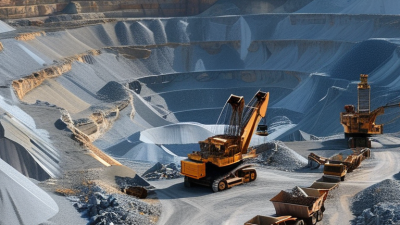
In a busy quarry, a cone crusher may process thousands of tonnes before dusk. Inside the chamber, rock repeatedly strikes, squeezes, and slides across the liners. Each contact removes a little steel. Small losses become large production problems.
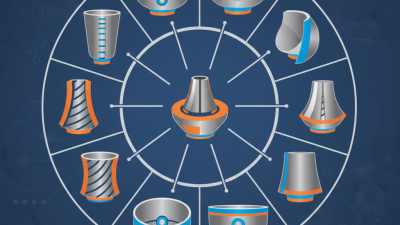
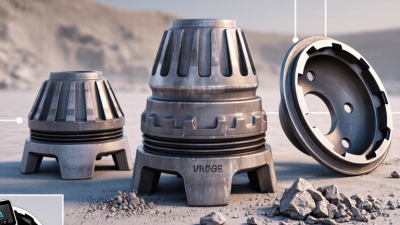
Cone Crusher Wear Parts can extend operating life when their material, profile, and fit match the application. Manganese liners may harden under impact, while alloy options can suit abrasive, lower-impact feed. The right choice depends on feed size, rock hardness, moisture, chamber design, and closed-side setting. There is no universal liner. That is often forgotten.
Dr. Tim Napier-Munn, a respected mineral-processing specialist, has said, “Good wear practice begins with understanding the process, not merely replacing metal.” This principle guides practical maintenance. Operators should inspect liner thickness, record tonnes per set, and watch for uneven wear. A worn mantle can leave a thin edge, expose the backing, and increase mechanical risk. That detail matters.
Long service life also depends on installation quality. Correct seating prevents movement and concentrated stress. Clean contact surfaces help the liners fit properly. Torque checks should follow the manufacturer’s instructions. Still, wear forecasting is not perfect. Feed conditions change. Operators sometimes replace parts too late, believing a few extra hours will save money. It may not. A careful comparison of cost per tonne, downtime, and product quality usually gives a clearer answer. Durable Cone Crusher Wear Parts are valuable because they support stable crushing, not because they simply look thicker.
Cone Crusher Wear Parts: Definition and Role in Crushing Operations
Why Choose Cone Crusher Wear Parts for Long Service Life?
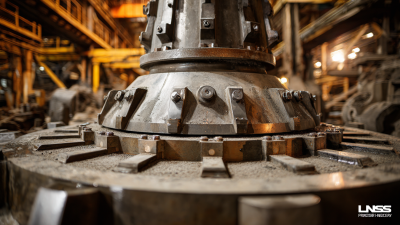
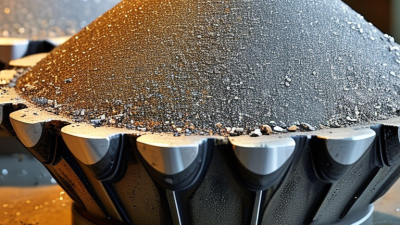
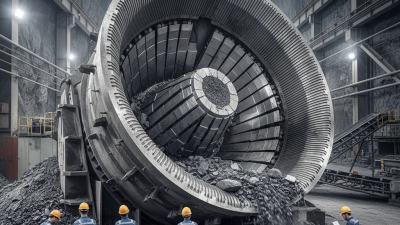
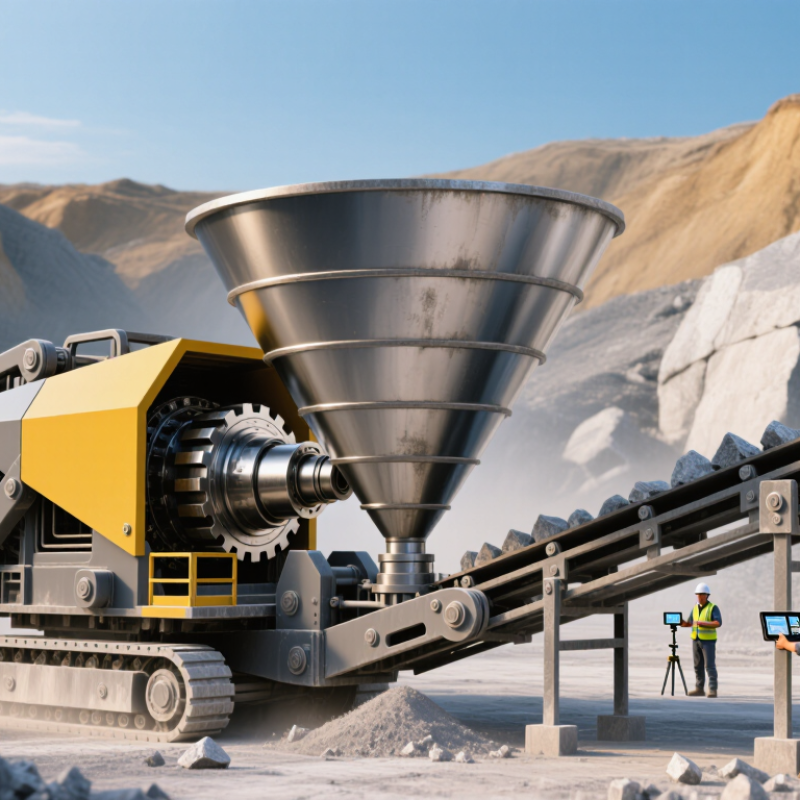
Cone crusher wear parts are the replaceable surfaces that contact rock during compression. The mantle moves against the concave, creating a narrowing chamber. This action fractures feed material into controlled sizes. These parts also protect the crusher frame and maintain the chamber profile. Without a stable profile, product shape and output can change quickly.
The scale is substantial. The U.S. Geological Survey reported about 1.5 billion metric tons of crushed stone produced in the United States in 2023.
Every unnecessary stoppage can affect thousands of tons of daily production. In my field observations, uneven mantle wear often appears before operators notice falling capacity. A simple liner inspection can reveal a worn feed zone, a damaged edge, or an incorrect feed pattern.
Material selection depends on feed hardness, abrasiveness, moisture, and CSS settings. High-manganese steel remains common because it can harden under impact. However, it is not automatically the longest-lasting option. A 2024 International Energy Agency report also shows rising mineral demand, increasing pressure on efficient processing systems.
That pressure makes wear monitoring more important. Measure liner thickness regularly. Record operating hours and tonnage. Check the discharge opening after adjustments.
These records support better replacement decisions, although the prediction will never be perfect. Real rock is inconsistent. Temperature, segregation, and operator habits can distort the numbers. The overlooked detail is often the feed.
Key Materials Used in Cone Crusher Wear Parts
Why Choose Cone Crusher Wear Parts for Long Service Life?
Material selection largely determines how long a cone crusher liner survives. Manganese steel remains widely used because it hardens under repeated impact. Common grades contain roughly 11–14% manganese and respond well to large, abrasive feed. The USGS Mineral Commodity Summaries 2024 estimated global manganese mine production at about 20 million metric tons in 2023. That supply supports broad industrial use, but availability does not guarantee the right performance.
High-chromium cast iron offers strong abrasion resistance in dry, highly abrasive applications. Chromium-rich carbides create a hard internal structure, helping protect the liner against quartz and other silicate minerals. However, this material can be less tolerant of heavy impact. Low-alloy martensitic steel provides a practical middle ground. It combines hardness with better toughness, especially when feed conditions change during a shift.
Field experience shows that wear depends on more than chemistry. Feed size, closed-side setting, moisture, crushing chamber design, and liner seating all matter. A 2023 Minerals Engineering review also emphasized the relationship between abrasive mineral content and wear rate in crushing systems. Hardness tests alone can mislead. A liner may look impressive in a laboratory and fail early beside a poorly controlled feed.
Inspect the mantle and concave regularly. Uneven wear often signals segregation, overload, or an unsuitable profile. Material choice is not perfectly predictable. Real operating records should challenge the initial specification.
Why Choose Cone Crusher Wear Parts for Long Service Life? - Key Materials Used in Cone Crusher Wear Parts
Material selection affects wear resistance, impact tolerance, work hardening, operating stability, and the total replacement interval of cone crusher liners. The values below are typical engineering ranges and may vary with heat treatment, casting quality, feed characteristics, crusher settings, and operating conditions.
| Material Used in Wear Parts |
Typical Hardness |
Impact Toughness |
Abrasion Resistance |
Work-Hardening Behavior |
Best-Suited Crushing Conditions |
Service-Life Advantages |
Hadfield Manganese Steel
Common composition: approximately 11–14% manganese with about 1.0–1.4% carbon.
|
Typically about 180–220 HB in the as-cast condition; the working surface can rise to approximately 400–550 HB under suitable impact loading.
|
Very High |
Moderate to High |
Strong work hardening under repeated impact and compression.
|
Tough, abrasive feed containing hard rock, especially when the liner receives sufficient impact and crushing pressure.
|
Excellent resistance to cracking and shock loading. The surface becomes harder during operation while the core remains relatively tough.
|
Alloyed Manganese Steel
Manganese steel modified with elements such as chromium, molybdenum, or nickel.
|
Commonly about 200–250 HB initially, with substantial surface hardening during service.
|
High |
High |
Good work hardening, with alloy additions helping improve hardenability and wear behavior.
|
Variable feed conditions where both impact resistance and improved abrasion performance are required.
|
Provides a practical balance between toughness and wear resistance and can maintain a more stable profile in demanding applications.
|
Martensitic Alloy Steel
Heat-treated steel with a predominantly martensitic microstructure.
|
Typically about 450–650 HB, depending on alloy chemistry and heat treatment.
|
Moderate |
High |
Limited additional work hardening compared with manganese steel because the material starts at a higher hardness.
|
Highly abrasive, relatively low-impact feed and applications requiring strong resistance to sliding or gouging abrasion.
|
High initial hardness can provide a long wear interval where impact loads are controlled and material breakage risk is low.
|
Chromium-Molybdenum Alloy Steel
Heat-treated alloy steel containing chromium and molybdenum to improve hardenability and strength.
|
Commonly about 400–600 HB, depending on grade, section size, and heat treatment.
|
Moderate to High |
High |
Moderate work hardening; wear performance mainly comes from the hardened alloy-steel matrix.
|
Medium- to high-abrasion applications with controlled impact and a need for dimensional stability.
|
Good strength and hardness retention can help preserve the designed crushing chamber profile and reduce premature deformation.
|
High-Chromium White Iron
Iron-based wear alloy containing a high chromium level and hard chromium-rich carbides.
|
Typically about 550–700 HB, with carbide hardness substantially higher than the surrounding metallic matrix.
|
Low to Moderate |
Very High |
Minimal work hardening; abrasion resistance is primarily provided by hard carbides.
|
Very abrasive, low-impact feed where the wear surface is protected from severe shock and tramp-metal events.
|
Excellent resistance to fine-particle abrasion, but application control is essential because excessive impact may cause cracking or breakage.
|
Composite or Carbide-Enhanced Wear Surface
A tough metallic base combined with localized hard inserts, carbide particles, or wear-resistant overlays.
|
The metallic base is commonly about 350–600 HB; carbide zones are considerably harder.
|
Moderate |
Very High |
Usually limited in the reinforced zones; performance depends on the bond between the hard phase and the base metal.
|
Localized high-wear areas, abrasive feed, and applications where selected sections of the liner require additional protection.
|
Can extend wear life in specific high-wear zones while retaining a tougher supporting structure than a fully brittle wear alloy.
|
Selection guideline: Manganese steel is generally preferred when impact and crushing pressure are high. Martensitic, chromium-molybdenum, and high-chromium materials are more suitable when abrasive wear dominates and impact is limited. Correct liner profile, feed gradation, closed-side setting, chamber utilization, and regular inspection are equally important for achieving long service life.
How Wear Parts Affect Crusher Performance and Service Life
Why Choose Cone Crusher Wear Parts for Long Service Life?
How Wear Parts Affect Crusher Performance and Service Life
Cone crusher wear parts directly influence product shape, power use, and operating stability. A correctly designed mantle and concave maintain the intended crushing chamber profile as they wear. This helps preserve a more consistent product size. Poorly matched parts can create uneven pressure, excessive vibration, and sudden capacity loss. Small changes matter.
In daily maintenance, I have seen a crusher run smoothly after a careful liner inspection. The feed was centered, the discharge setting was checked, and contact surfaces were clean. These details reduced local stress and prevented premature cracking. Material quality also matters. Proper heat treatment and consistent casting help wear parts resist impact and abrasion. However, no liner lasts forever.
Operators should record operating hours, power readings, feed size, and liner measurements. Comparing these records can reveal wear patterns before they damage other components. A part with longer rated life may still perform poorly under oversized feed or poor chamber control. That is an easy mistake to make. In my experience, selecting wear parts only by purchase price often increases total cost. Service life depends on fit, material, application, and maintenance working together. avarswami
Factors That Determine Wear Rate and Replacement Needs
Why Choose Cone Crusher Wear Parts for Long Service Life?
Wear rate depends on more than the material used in a cone crusher wear part. Feed hardness, abrasiveness, moisture, and particle size all influence service life. Granite can wear a mantle faster than softer limestone. Wet, sticky feed may cause uneven loading and localized damage. The closed-side setting also matters. A setting that is too tight can increase pressure and accelerate wear. In field inspections, uneven wear often reveals poor feed distribution rather than a defective part.
Tips: Keep the feed centered and steady. Check liner profiles during scheduled inspections. Record operating hours, feed type, settings, and worn thickness. These simple records support more reliable replacement decisions.
Correct installation is equally important. A liner must seat properly, with no loose contact or trapped debris. Loose components can create impact points and unusual cracking. Chamber design affects how efficiently the crushing force is distributed. Choosing a wear profile for the actual feed usually gives better results than selecting the thickest option. More metal does not always mean longer life.
Replacement should follow measured wear, not habit alone. Delaying replacement may reduce capacity and increase energy use. Replacing too early wastes usable material and maintenance time. A perfect schedule rarely exists. Conditions change, and operators must adjust their judgment. Regular checks, clear records, and experienced supervision make cone crusher wear parts safer and more dependable over time.
Best Practices for Selecting and Maintaining Wear Parts
Why Choose Cone Crusher Wear Parts for Long Service Life?
Best Practices for Selecting and Maintaining Wear Parts
Choosing cone crusher wear parts starts with the feed, not the catalog. Measure rock hardness, abrasiveness, moisture, and maximum feed size. The 2024 U.S. Geological Survey Mineral Commodity Summaries reports about 1.5 billion tons of crushed stone production in the United States during 2023. That scale makes small maintenance errors expensive.
Match the liner profile to the operating chamber and reduction target. A harder alloy may resist abrasion, but it can perform poorly under heavy impact. Check the manufacturer’s material data, then compare it with site samples and laboratory testing. Keep a simple record of feed changes, operating hours, product size, and liner thickness. Useful data beats guesswork.
Inspect the mantle and concave during every planned shutdown. Look for uneven wear, cracking, exposed backing, and a closed-side setting that has drifted. The U.S. Mine Safety and Health Administration emphasizes equipment inspections and hazard control in its annual metal and nonmetal mining safety reports. Do not wait for visible failure. Perfect selection is rarely possible. Real conditions change. A wet morning can alter feed behavior, while a neglected chamber can accelerate wear. Clean contact surfaces, tighten components correctly, and replace matched parts together when profiles become uneven. Five minutes of measurement may prevent hours of downtime.
Why Choose Cone Crusher Wear Parts for Long Service Life?
Selecting wear parts according to feed-material hardness helps match liner material and profile to actual crushing conditions. The values below show representative Mohs hardness levels; natural material variation is expected.
Harder and more abrasive materials generally require suitable manganese grades, correct liner profiles, controlled feed distribution, and regular inspections to prevent excessive wear and premature replacement.