2026 How to Choose Durable Scrap Metal Recycling Wear Parts?
In the evolving landscape of the scrap metal recycling industry, choosing the right Scrap Metal Recycling Wear Parts is crucial for operational efficiency and longevity. According to a recent report by MarketsandMarkets, the global scrap metal recycling market is projected to grow steadily, driven by increasing environmental concerns and the rising demand for recycled materials. However, the durability of wear parts significantly impacts the overall productivity of recycling operations.
Wear parts must withstand harsh conditions and heavy usage. They play a vital role in ensuring machines function optimally. A study from the Institute of Scrap Recycling Industries (ISRI) highlights that subpar wear parts can lead to frequent breakdowns and increased maintenance costs. This not only impacts profits but also compromises safety standards in the workplace.
Therefore, selecting high-quality Scrap Metal Recycling Wear Parts requires a careful evaluation of materials, design, and manufacturer reputation. Some options may seem cost-effective initially but could lead to higher long-term expenses. It’s essential to reflect on the lifecycle of these components to make informed decisions. Understanding these factors can enhance operational reliability, ultimately benefiting the entire recycling industry.
Understanding the Importance of Durable Wear Parts in Scrap Metal Recycling
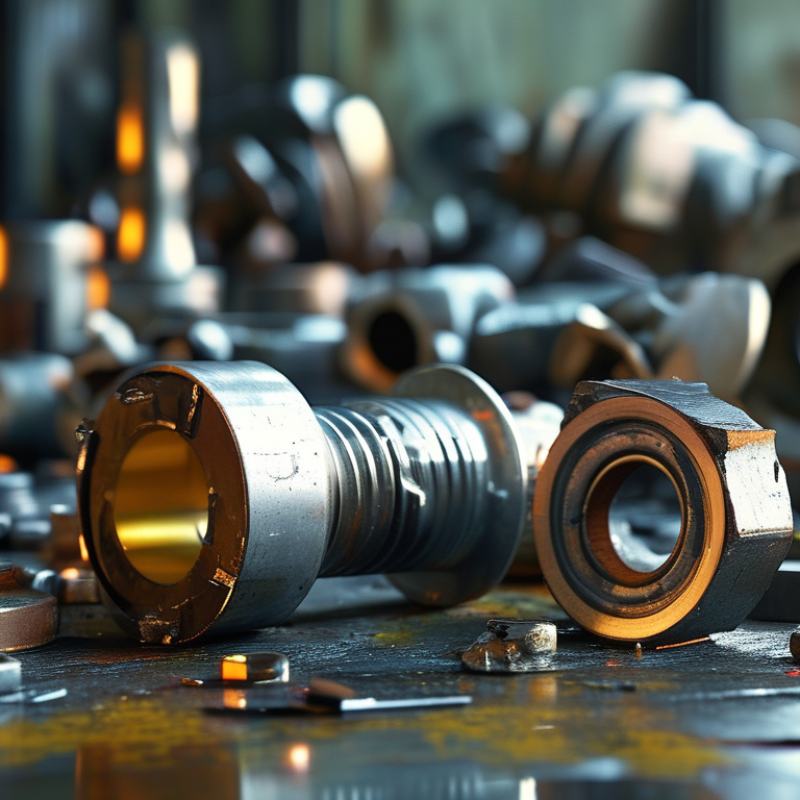
Durable wear parts play a crucial role in scrap metal recycling. They endure constant friction and stress during the recycling process. Selecting the right parts can prevent unnecessary downtime. This aspect of operation is vital for maintaining efficiency and productivity. Beyond wear resistance, these components must fit several operational needs.
Understanding wear parts involves recognizing material choices. Metals like high-carbon steel or alloy steel are commonly preferred. Each option has unique properties that react differently under stress. It's not merely about strength but also about specific use cases. Some parts may require flexibility, while others need rigidity. Knowing the precise application of each component helps in decision-making.
Many businesses underestimate the impact of quality wear parts. They may opt for cheaper alternatives, leading to frequent replacements and outages. This choice raises costs over time and affects overall performance. Observing the lifecycle and wear patterns can provide crucial insights. Regular evaluations can lead to smarter choices. This reflective approach builds a more resilient recycling operation.
Key Materials Used in Durable Scrap Metal Recycling Wear Parts
Selecting durable scrap metal recycling wear parts requires an understanding of key materials that enhance longevity and performance. Commonly used materials include high-carbon steel and chromium-alloyed steel. High-carbon steel provides hardness, suitable for high-impact environments. It withstands wear well but can be brittle under extreme conditions. Chromium-alloyed steel offers a better balance of toughness and wear resistance. It is ideal for parts that face repetitive stress.
Another essential material is tungsten carbide. Known for its extreme hardness, tungsten carbide lasts significantly longer than traditional metal options. However, its higher cost may pose a concern for some recyclers. Plastics also play a role in wear parts, particularly in non-metal applications. They resist corrosion and can reduce friction, improving performance and durability. Yet, these materials may not withstand high temperatures, introducing potential weaknesses.
Every material has its pros and cons. Balancing cost and performance often leads to difficult decisions. Relying solely on one type can lead to failure in specific environments. Consideration of environmental factors is crucial. Each recycling operation is unique, influencing the choice of materials. Engaging with industry experts can enhance decision-making, but not finding the right combination is a common issue.
Durable Scrap Metal Recycling Wear Parts: Key Material Distribution
Factors to Consider When Selecting Wear Parts for Recycling Equipment
When selecting wear parts for recycling equipment, understanding the material is crucial. Durable scrap metal items must withstand heavy impacts and wear over time. High-quality steel or specialized alloys can provide the necessary strength and longevity. Evaluate the specific recycling processes involved. Different types of metals generate varying wear patterns. Knowing the expected lifecycle of parts is vital for cost assessment and performance optimization.
Compatibility with existing equipment ensures efficient operations. Mismatched parts can lead to increased downtime and operational inefficiencies. Additionally, consider the environment where the parts will be used. Factors like temperature, moisture, and the type of materials processed affect wear. Sometimes, the standard options may not suffice, pushing towards custom solutions. Be open to feedback from your team about part performance. Continuous improvement is essential; this involves adapting to failures and learning from past experiences.
Maintenance and Care Tips for Prolonging Wear Parts Lifespan
When it comes to maintaining the lifespan of wear parts in scrap metal recycling, proper care is essential. Understanding the specific materials and conditions your equipment faces can help you choose the right maintenance strategy. Regular inspections allow you to identify wear and tear early. This proactive approach can prevent costly downtime and enhance efficiency.
Pay attention to the operating environment. If your machinery is exposed to harsh conditions, consider using protective coatings. Regularly clean your equipment to remove contaminants that can accelerate wear. Also, ensure that components are properly lubricated to reduce friction and heat buildup. Proper lubrication can significantly extend the life of wear parts.
Remember, every operation is unique. Adapting your maintenance practices to fit your machinery can take time. Don’t hesitate to revisit and refine your strategies as you learn what works best. Create a tracking system for wear parts. Knowing when and how parts fail can lead to better decision-making in the future. Small adjustments can yield substantial benefits in the long run.
Evaluating Quality Standards and Certifications for Wear Parts选择
When selecting durable wear parts for scrap metal recycling, quality standards play a crucial role. Different industries may have varying requirements, which means that not all parts are created equal. Look for certifications that ensure the product has been tested for durability. This can include standards like ISO certifications or industry-specific benchmarks. An understanding of these standards can give you confidence in the reliability of wear parts.
Evaluating the materials used in wear parts is equally important. High-quality wear parts are often made from specialized alloys that resist abrasion and corrosion. You should inquire about the testing methods used to verify these properties. Even small variations in material composition can significantly impact performance over time. Don’t hesitate to ask suppliers about their sourcing strategies and production processes.
While certifications and material quality are essential, they may not capture every aspect of wear part performance. Real-world usage often reveals weaknesses not evident in testing environments. Engaging with user reviews and case studies can provide insight into how parts perform over the long term. This reflection can help to identify potential pitfalls and lead to better-informed decisions during the selection process.