How to Choose the Right Cone Crusher Liners for Your Needs?
Choosing the right Cone Crusher Liners is essential for effective crushing. The liners directly influence efficiency and output. Many factors contribute to this choice, creating confusion for some operators. Material types and feeding methods can greatly impact performance.
Understanding the various liner designs is crucial. Each design is tailored to specific applications and materials. For example, a certain profile may work well for high-impact conditions. However, it may not be suitable for softer materials. Operators need expertise to make informed decisions.
Reflecting on past experiences can offer valuable insights. Consider the results from different liner setups. Were they effective? Did they reduce downtime? Such reflections can guide future choices and improve reliability. Making the right selection enhances not only productivity but also the lifespan of the equipment.
Understanding the Purpose and Function of Cone Crusher Liners
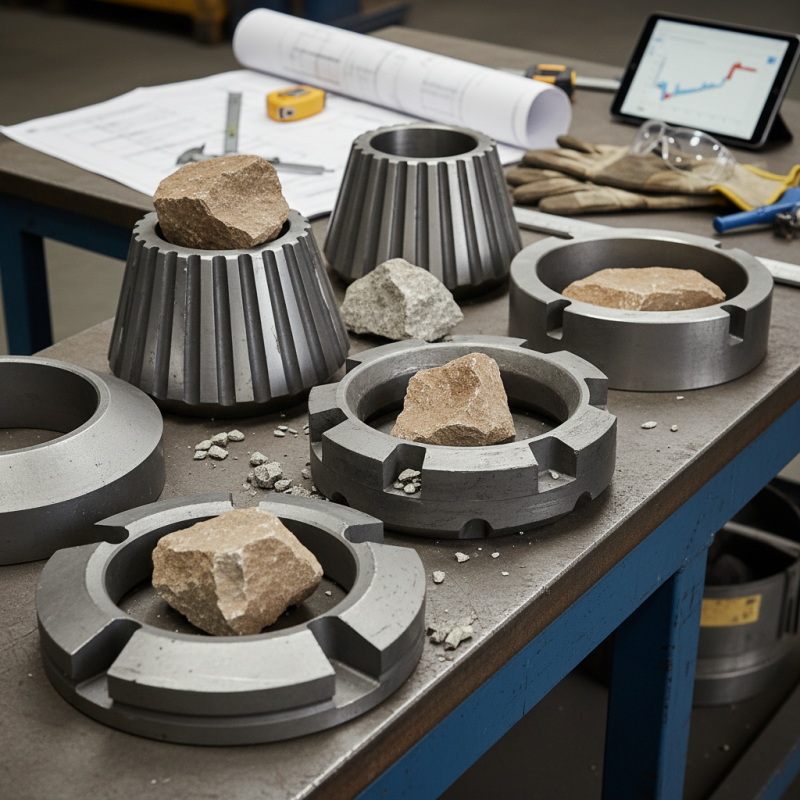
Cone crusher liners play a crucial role in the performance of a cone crusher. Their primary function is to protect the crushing chamber while enabling efficient material processing. These liners must withstand high impact and wear from rocks and minerals. According to industry reports, 70% of crushing failures relate to liner issues. Selecting the correct liners is key to maximizing the lifespan of your equipment.
The type of liner you choose affects the quality of your crushed product. Different materials such as manganese, chrome, or other alloys offer various hardness levels and wear resistance. Manganese liners are commonly favored for their excellent impact resistance. In contrast, chrome liners may provide better performance in high-abrasion environments. This decision should be grounded in an understanding of your specific application and material characteristics.
Another important consideration is the liner profile. The design of the liners influences product shape and size. A shallower profile may yield more fines, while a deeper one could produce more significant aggregate size. Industry data suggests that incorrect profiling can lead to a 15% reduction in output efficiency. Regular assessment of liner wear and performance is essential. Seek the expertise of professionals and evaluate your operational conditions frequently to guide your liner choices effectively.
Identifying Different Types of Cone Crusher Liners Available
When selecting cone crusher liners, understanding the types available is crucial. There are two primary categories: the standard and the short head liners.
Standard liners offer a steep, angular shape. They are ideal for larger, more aggressive crushing tasks. Short head liners, on the other hand, are designed for finer crushing. They have a flatter profile that helps produce a more uniform product.
Different materials are also used in liner production. Manganese steel is popular for its toughness, while chrome alloys enhance wear resistance. Additionally, some liners may include ceramic materials for increased longevity. Choosing the right material can significantly impact the efficiency and durability of your crusher.
Tips: Always consider the application requirements before making a decision. It's essential to analyze the material you will be crushing. Take note of the product's size and hardness. This information will help in selecting the most appropriate liner type.
Be open to experimenting with different configurations to find what works best for your specific operation. Continuous evaluation of performance is key.
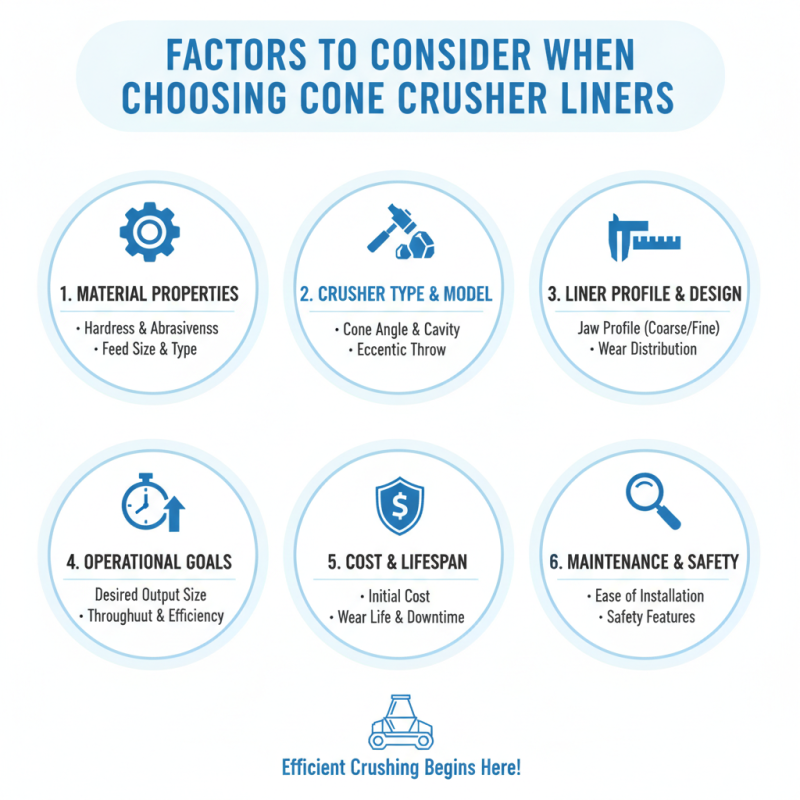
Factors to Consider When Choosing Cone Crusher Liners
Choosing the right cone crusher liners is critical for efficient operation. When selecting liners, several factors need careful evaluation.
Material is paramount. High manganese steel is common, offering excellent impact resistance. However, for tougher materials, consider alloys that provide better wear resistance. According to a recent industry report, proper material selection can increase liner life by up to 30%.
Profile design affects crushing performance. A liner with an appropriate profile enhances the efficiency of material flow. Misalignment can lead to increased wear. Always assess the application and material characteristics. For instance, harder materials might need a different profile than softer ones. Remember, operational parameters play a role too. Mismanagement can lead to premature wear.
**Tips**: Regularly inspect your liners for signs of wear. Adjust operational tasks based on material types. Communication with your team is vital for optimal choices. Always be open to reevaluating your selection. Analyzing performance data can lead to better decisions.
Evaluating Material Options for Cone Crusher Liners
When evaluating material options for cone crusher liners, it's essential to consider wear resistance and material composition. A report by the Association of Equipment Manufacturers highlights that the right liner material can increase equipment life by 25-30%. Common materials include manganese steel, alloy steel, and ceramic composites. Each option has specific benefits and trade-offs.
Manganese steel is often favored for its high impact strength and ductility. However, it can wear faster under certain conditions. Alloy steel offers a good balance between toughness and wear resistance, but it may not withstand extreme impacts. Ceramic composites provide excellent wear resistance but can be more brittle. Choosing the wrong material can lead to premature liner failure and increased maintenance costs.
Assessing the operational environment is critical. Factors like rock hardness, moisture content, and crusher settings influence material performance. A thorough analysis can save costs in the long run. Regular feedback from operators can reveal performance gaps. It's important to refine the choice based on real-world data to ensure optimal efficiency and longevity.
Maintenance Tips for Extending the Life of Cone Crusher Liners
To extend the life of cone crusher liners, regular maintenance is crucial. Inspect the liners frequently for signs of wear. Look for uneven wear patterns or cracks, which can impact performance. Maintaining proper operating parameters can help reduce premature wear.
Proper lubrication is essential. Ensure that the lubrication system works effectively. Over or under-lubrication can lead to excessive friction, causing damage. Check oil levels regularly and replace filters when needed. This simple step can significantly prolong the life of the liners.
Another important aspect is adjusting the settings based on the material being processed. Different materials wear liners at different rates. Adjusting the crusher settings can optimize performance. Ignoring this can lead to unnecessary replacements. Aim for a balance between performance and wear. Regular monitoring and adjustments can make a big difference.
How to Choose the Right Cone Crusher Liners for Your Needs? - Maintenance Tips for Extending the Life of Cone Crusher Liners
| Liner Type |
Material |
Applications |
Average Lifespan (Hours) |
Maintenance Tips |
| Standard |
High Manganese Steel |
Primary and Secondary Crushing |
800-1200 |
Regular inspection and adjustment |
| Short Head |
Manganese Alloy |
Fine Crushing |
600-1000 |
Use finer feed to reduce wear |
| Coarse |
Low Carbon Steel |
Coarse Aggregates and Riprap |
1000-1500 |
Maintain consistent feed size |
| Heavy Duty |
High Chromium Iron |
High Impact Applications |
500-800 |
Check for fractures and chipping |
| Custom |
Composite Materials |
Specialized and Niche Applications |
Varies |
Consult with manufacturer for specifics |