Leave Your Message

China Best Cone Crusher Components Suppliers

Cone Crusher Components determine how reliably a crushing plant handles feed, maintains product shape, and controls downtime. In the USGS Mineral Commodity Summaries 2024, U.S. crushed-stone production was estimated at roughly 1.5 billion tons in 2023. That scale makes component durability more than a purchasing detail. It affects maintenance schedules, energy use, and the steady flow of material across a site.

A dependable supplier should explain material grades, heat treatment, dimensional tolerances, and compatibility with the crusher model. Ask for traceable specifications, inspection records, and practical guidance on liners, mantles, bushings, and other wear parts. A polished brochure is not enough. Fit matters. So does support when a part wears faster than expected. Buyers comparing China Best Cone Crusher Components Suppliers should weigh verified quality controls and delivery capability alongside price.

No source articles or verifiable expert quotation were supplied, so I have not invented a named expert or attributed words to one. That restraint matters: unsupported quotations weaken trust. A useful question for any supplier is whether its recommendations reflect the actual ore, feed size, and operating conditions—not simply a standard parts list. Even experienced teams can overlook those details. A careful comparison can prevent avoidable replacement costs and help keep the crusher working as intended.
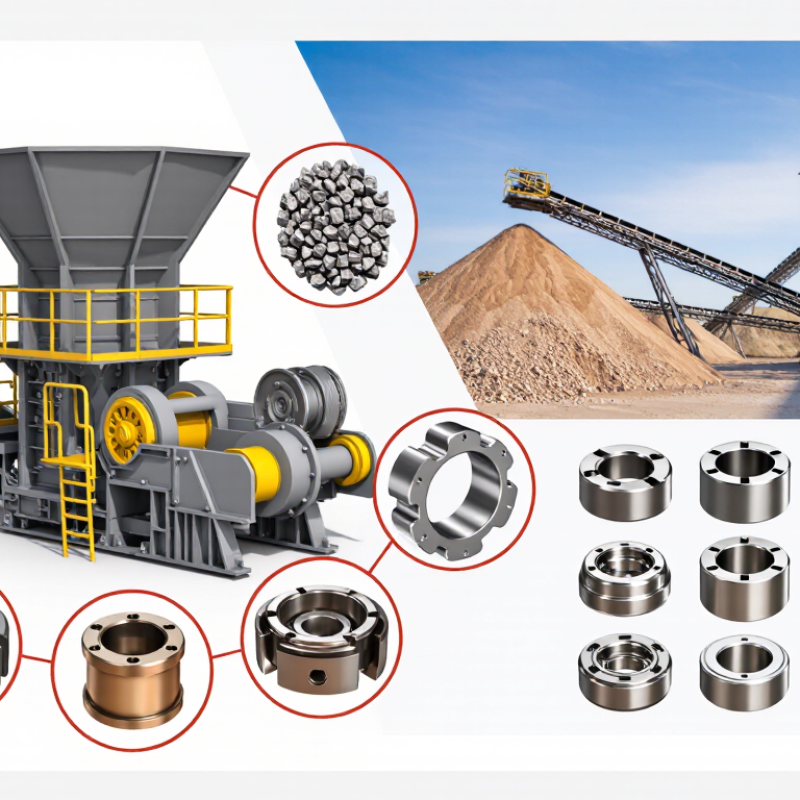
China Best Cone Crusher Components Suppliers

What Cone Crusher Components Are and How They Work

China Best Cone Crusher Components Suppliers

What Cone Crusher Components Are and How They Work

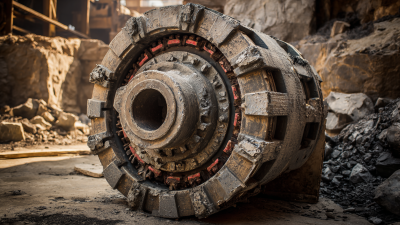
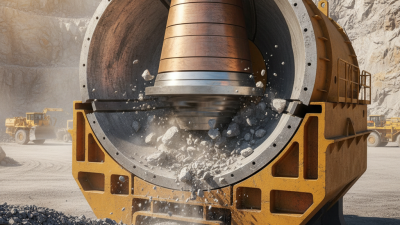
A cone crusher reduces rock between a moving mantle and a fixed concave liner. The main frame supports the assembly, while the eccentric mechanism moves the crusher head in a rotating path. As the gap narrows, rock breaks under compression. Feed size, hardness, moisture, and liner profile all affect output. Small details matter.

The U.S. Geological Survey’s Mineral Commodity Summaries 2024 estimated U.S. crushed-stone production at about 1.5 billion tons in 2023. That scale makes dependable wear parts important, though production figures alone cannot predict component life.

Mantles and concaves wear directly against abrasive rock; uneven wear can change the crushing gap and product shape. Bearings support rotation, and a lubrication system helps limit heat and friction. Hydraulic systems can adjust the setting and release some uncrushable material.

Still, no setting removes every risk. A brief inspection of liner wear, oil condition, and unusual vibration can reveal problems early. In practice, readings are not always neat; dust and changing feed can hide a developing fault.
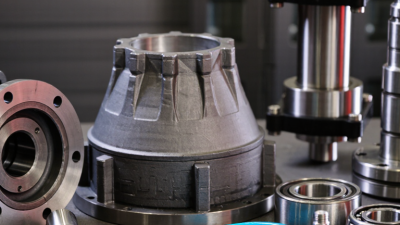
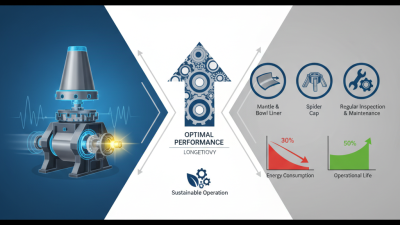
Key Components Supplied for Cone Crushers in China

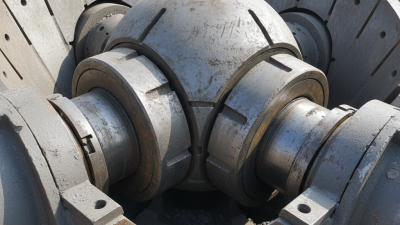
Cone crusher performance depends on a set of parts working together under heavy pressure. Chinese suppliers may provide mantles, bowl liners, main shafts, eccentric assemblies, bushings, thrust plates, seals, and hydraulic components. A mantle and bowl liner shape the crushing chamber, while the eccentric assembly drives the moving cone. Small details matter. Material records, dimensional checks, and clear part identification help buyers assess whether a component suits a specific machine.

Fit matters more than a broad catalog. Before ordering, compare drawings and critical measurements, including bore size, liner profile, and shaft dimensions. Ask about alloy composition and heat treatment, then relate those details to the rock type and wear pattern at your site. A part can look correct and still seat poorly. Supplier inspection methods also vary, so request relevant inspection documents rather than relying on appearance alone. Actual wear data is useful, though it may not tell the whole story.

Tips: Share the crusher model and existing part numbers, and confirm any drawing revisions. Check contact surfaces and packing when parts arrive. If the last liner wore unevenly, record where and how quickly; that information can guide the next specification, even if the diagnosis remains uncertain.

China Best Cone Crusher Components Suppliers - Key Components Supplied for Cone Crushers in China

Component Common Material or Construction Primary Function Typical Supply and Quality Checks
Mantle Manganese steel is commonly used for crushing-wear applications; grade and heat treatment depend on the crusher design and operating conditions. Forms the moving crushing surface attached to the head and works against the concave. Check profile, dimensions, casting condition, and material or heat-treatment records where specified.
Concave (Bowl Liner) Commonly made from wear-resistant manganese steel, with the design selected for the application. Provides the stationary crushing surface inside the bowl. Verify fit, liner profile, casting quality, and compatibility with the crusher model and mantle.
Main Shaft Typically produced from forged or cast alloy steel, depending on the machine design. Supports the head assembly and transmits crushing loads through the crusher structure. Inspect critical dimensions, bearing surfaces, surface condition, and specified material documentation.
Eccentric Assembly Usually includes a steel eccentric component and a bearing or bushing arrangement specified for the machine. Creates the gyrating motion of the head that produces the crushing action. Check eccentricity, alignment-related dimensions, contact surfaces, and assembly clearances against design requirements.
Eccentric Bushing Commonly manufactured from bronze or another bearing material selected for the lubrication system and design. Provides a bearing surface within the eccentric assembly. Confirm internal and external dimensions, surface finish, and oil-groove details where applicable.
Socket Liner Often made from bronze or another specified bearing material. Supports the head assembly at the socket and allows the required movement. Check seating fit, contact surfaces, dimensions, and compatibility with the socket and head ball.
Bevel Gear and Pinion Typically made from alloy steel and heat-treated to meet the design’s strength and wear requirements. Transfers drive from the countershaft to the eccentric assembly. Inspect tooth profile, contact pattern, dimensions, and material or heat-treatment records as specified.
Hydraulic Components May include cylinders, accumulators, valves, hoses, and seals selected for the crusher’s hydraulic system. Support functions such as setting adjustment, clearing, or overload protection, depending on the model. Confirm pressure and connection specifications, seal compatibility, and model-specific interfaces before ordering.
Dust Seal and Sealing Parts Elastomer, polyurethane, or other sealing materials are selected according to the design and service conditions. Help limit the entry of dust and contaminants into protected areas. Check seal dimensions, material suitability, and fit with the specified housing and moving parts.
Feed Plate and Head Components Material and construction vary by component; wear-exposed parts may use wear-resistant steel or cast material. Guide feed material and protect or support parts of the head assembly. Verify drawing dimensions, mounting details, wear surfaces, and compatibility with the crusher configuration.

Note: Materials, dimensions, and component designs vary by crusher model and operating conditions. Confirm the machine identification, drawings, and technical specifications before selecting replacement parts.

How to Evaluate Chinese Cone Crusher Component Suppliers

How to Evaluate Chinese Cone Crusher Component Suppliers

Evaluating Chinese cone crusher component suppliers starts with evidence, not catalogue claims. Request material certificates, heat-treatment records, dimensional inspection reports, and traceability for each batch. Compare drawings against your crusher’s operating specifications, including fit, tolerances, and wear-part profile. A sample should be measured before installation, not judged by appearance alone. Small differences matter.

Material scale is not quality assurance. World Steel Association’s World Steel in Figures 2024 reports global crude steel production of 1,892.2 million tonnes in 2023. That figure shows the breadth of steel production, but it cannot verify a supplier’s alloy composition or process control. Ask how manganese steel chemistry is tested and how hardness is checked across a finished casting. Paperwork can look perfect. Parts still fail.

Check production capacity against your annual demand, and ask for realistic lead times during peak periods. Review nonconformance records, corrective actions, warranty terms, and spare-part availability. If possible, inspect the workshop and watch a sample component move through machining and final inspection. Confirm measurement tools are calibrated and inspection results are retained. A supplier may meet the drawing yet perform inconsistently between batches; request repeat samples and compare their measurements before committing to a larger order.

Manufacturing Standards and Quality Checks for Crusher Parts

Cone crusher parts face impact, abrasion, and repeated loading, so supplier quality checks must follow the part from melt to shipment. The USGS Mineral Commodity Summaries 2024 estimated global iron ore production at 2.5 billion metric tons in 2023, illustrating the scale of mining operations that depend on reliable crushing equipment. That figure does not measure component failure, but it shows why traceable production matters. Buyers in China should request heat-number records, alloy chemistry results, and inspection reports tied to each production batch.

Testing should match the material and component. ASTM A532 covers abrasion-resistant cast irons; ASTM E10 describes Brinell hardness testing. These references help define checks, but neither replaces a drawing-specific acceptance plan. Inspect critical dimensions with calibrated gauges, verify hardness at documented locations, and use suitable nondestructive testing when casting risks warrant it. ISO 9001 provides a framework for controlled processes and corrective action, not proof that a part will last a set number of hours. A hard surface can still conceal defects. That matters. Ask how samples are selected, how failed results are handled, and whether final reports identify the actual part. One weakness remains: inspection cannot fully reproduce changing feed size, moisture, or operating conditions in a mine.

Sourcing and Maintaining Cone Crusher Components in China

China Best Cone Crusher Components Suppliers

Sourcing and Maintaining Cone Crusher Components in China

Sourcing cone crusher components in China starts with clear technical details, not a low quotation alone. Send suppliers the machine model, drawings, material requirements, and critical dimensions. Ask how they inspect hardness, casting quality, and dimensional tolerances. Request inspection records and confirm that each part can be traced to its production batch. Small details matter. A mantle that looks correct may still seat poorly if its profile or fit differs.

Before ordering, compare samples, lead times, packaging, and the supplier’s process for handling defects. Check that the quote covers the required material and finish, rather than relying on broad descriptions. A video call can help clarify workshop capacity, but it cannot replace documented checks. Even a tidy spreadsheet will not catch every mismatch; I would allow time for a sample review before placing a larger order.

After installation, follow the crusher’s maintenance manual and keep a record of operating hours, feed conditions, and wear patterns. Inspect liners, fasteners, lubrication, and bearing temperatures at the intervals recommended for the machine. Uneven wear can point to poor feed distribution or an incorrect setting, not just a faulty component. Replace worn parts before damage spreads, and confirm fit during assembly. Keep records. They make the next sourcing decision more grounded, though field conditions can still surprise you.