Leave Your Message

7 Best Cone Crusher Components for Global Buyers?

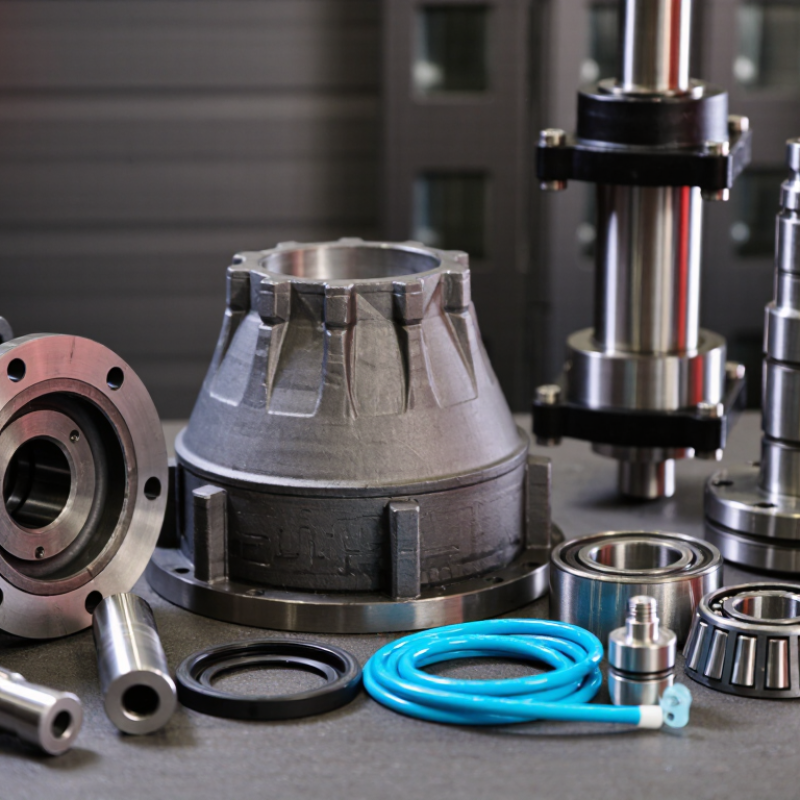
Choosing the right Cone Crusher Components affects uptime, product size, and maintenance costs. For global buyers, the decision involves more than comparing prices. Material grades, machining tolerances, fit, and access to replacement parts all matter. A liner that looks correct in a catalogue may still wear unevenly if its profile does not suit the feed or operating conditions. Small details matter.

This guide examines seven essential components: mantle and concave liners, the eccentric assembly, main shaft, bearings, seals, hydraulic adjustment parts, and lubrication components. It highlights what buyers can inspect, which operating details to share with suppliers, and where claims deserve closer review. A short caveat: no single component choice suits every crusher or application.

The quotation below is an illustrative composite, not a statement from a named, independently verified industry expert: “A component is only a good fit when its material, dimensions, and duty match the machine and the rock.” Use that principle when reviewing drawings, specifications, wear data, and supplier support. Ask for clear documentation. Check the details. Even experienced teams can miss a mismatch when replacement work is rushed. This overview offers a practical starting point, not a substitute for machine-specific engineering advice.
7 Best Cone Crusher Components for Global Buyers?

Cone Crusher Components and Their Core Functions

Cone Crusher Components and Their Core Functions

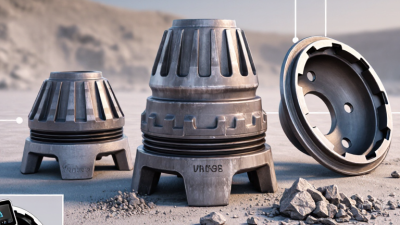
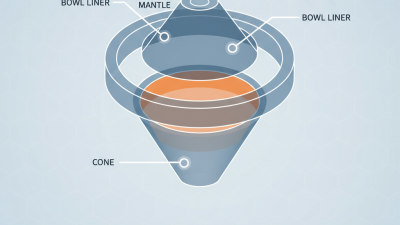
A cone crusher’s output depends on several parts working together under heavy, repeated loads. The mantle and concave form the crushing chamber: the mantle’s gyrating motion compresses rock against the stationary concave. Their profiles and wear condition affect particle size and throughput.

Small details matter.

The eccentric assembly generates the mantle’s movement, while the main shaft and frame carry crushing forces. A worn liner can change the product shape before an operator notices a major drop in production.

The U.S. Geological Survey’s Mineral Commodity Summaries 2024 estimated U.S. crushed-stone production at about 1.5 billion tons in 2023, illustrating the scale of demand placed on quarry equipment.

The lubrication system protects bearings and gears; temperature, pressure, and oil cleanliness deserve routine checks. The thrust bearing handles axial load, while hydraulic adjustment can set the closed-side setting. Hydraulic relief also helps the crusher clear uncrushable material, though it is not a substitute for careful feed control. Seals keep dust and moisture away from critical surfaces.

Not interchangeable.

Component selection should match feed size, hardness, moisture, and operating hours. In practice, maintenance records can be imperfect, so inspection findings should be checked against actual wear—not assumptions.
The Main Components That Shape Crushing Performance

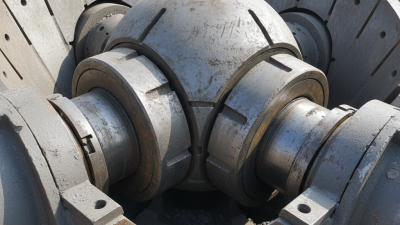
In a cone crusher, performance depends on several components working together. The mantle and concave form the crushing chamber, guiding rock through repeated compression. Their profile, wear condition, and closed-side setting influence product size and throughput. Fit matters. Uneven wear can widen the chamber in one area and leave coarse particles in the discharge.

The eccentric assembly drives the head’s gyrating motion, while bearings support rotation under heavy loads. Lubricant condition and temperature readings offer practical clues to bearing health. Small gaps matter. A worn bushing or misaligned component may increase vibration, heat, or power draw. Confirm the cause before changing settings.

Hydraulic adjustment and relief systems help operators control the setting and respond to uncrushable material, but they need regular inspection. Check hoses, seals, pressure records, and adjustment response during planned maintenance. Feed distribution matters too: a steady, centered feed usually supports more even chamber wear than intermittent side loading. Wear tells a story. Yet measurements can mislead when feed hardness or moisture changes. Compare samples and operating data over time; field conditions rarely follow a perfect checklist.

How Cone Crusher Parts Work Together During Operation

7 Best Cone Crusher Components for Global Buyers?
How Cone Crusher Parts Work Together During Operation

A cone crusher works as a linked system, not a collection of independent parts. The mantle moves in a circular path as the eccentric assembly turns, pressing rock against the stationary concave liner. This repeated compression reduces material size. Feed consistency matters: oversized rocks can cause uneven loading, while excessive fines may reduce crushing efficiency. Small details count.

Bearings support rotating components, and the lubrication system carries oil across critical contact surfaces. If oil flow drops or contamination builds, heat and wear can rise quickly. The hydraulic system helps adjust the closed-side setting and can provide overload relief, depending on the machine design. Meanwhile, the drive transfers power to the eccentric. Operators should watch for unusual vibration, rising bearing temperature, and changes in product size. These clues often appear before a serious failure, though they do not replace inspection.

The scale of demand makes dependable operation important. The U.S. Geological Survey’s 2024 Mineral Commodity Summaries reports that the United States produced about 1.5 billion metric tons of crushed stone in 2023. That figure describes the wider industry, not cone crushers alone. Still, it shows why component condition affects material supply. A common maintenance blind spot is focusing on liners while overlooking oil cleanliness or feed distribution. The liner gets attention. The system deserves it.

7 Best Cone Crusher Components for Global Buyers? — How Cone Crusher Parts Work Together During Operation

A schematic view of how key components coordinate: the feed system supplies material, the drive and shaft create movement, the crushing surfaces reduce the material, and the hydraulic system helps control the setting and protect the crusher.

The numbered positions are a schematic coordination guide, not measured performance or a strict timeline. The mantle moves against the stationary concave to crush material; the hydraulic system supports setting adjustment and overload protection. Exact designs vary by crusher.

Key Criteria for Comparing Components Across Models

Comparing cone crusher components across models starts with operating conditions, not a catalogue photo. Record feed size, rock hardness, moisture, and expected tonnes per hour. These details help show whether a mantle, bowl liner, or eccentric assembly suits the actual duty. Look beyond the part name. Check dimensions, mounting points, material specifications, and stated tolerances against the machine’s service documentation. A component that appears similar may still seat poorly or alter the crushing chamber profile. Small mismatches matter.

Check wear life under comparable conditions, rather than relying on estimates alone. Ask how the supplier defines service hours, and whether the figures come from similar feed and settings. Not always neat. Compare alloy composition, heat treatment, and wear patterns from inspection records where available. Also consider access: Can a crew measure clearances safely and replace the part without unusual tooling? Fit matters. Confirm lubrication passages and sealing surfaces on moving assemblies; blocked or poorly aligned passages can lead to heat and accelerated wear. A lower purchase price may be offset by shorter intervals between change-outs, but the opposite can happen too. Keep the assumptions visible, and revisit them after inspections. Real operating data is rarely perfect, yet even a simple log of tonnage, liner condition, and change dates can sharpen the comparison.

Global Sourcing Factors for Cone Crusher Components

Global sourcing for cone crusher components starts with clear operating data, not a low quotation. Share the machine model, component drawings, material being crushed, and typical operating conditions. A mantle or bowl liner that looks correct in a photograph may still differ in fit or profile. Fit matters. Ask suppliers to confirm dimensions and identify the drawing revision they used.

Material descriptions need detail. Request information on alloy composition, hardness testing, and inspection procedures, then check that documents match the supplied parts. Ask for sample inspection records or photos of marked components before dispatch. These checks do not guarantee service life, which also depends on feed, settings, and maintenance. Be cautious when a seller promises a fixed lifespan without discussing those factors.

Compare lead times, packaging, and support alongside price. Heavy wear parts need secure protection against movement and moisture during transit; confirm packing details and shipping weights in writing. Clarify how fit questions or defects will be handled after delivery, including what evidence the supplier needs. A response that is slow before an order may not improve later. Still, a long checklist cannot replace sound technical review, and buyers may need to refine their specifications as operating experience reveals gaps.

7 Best Cone Crusher Components for Global Buyers? - Global Sourcing Factors for Cone Crusher Components

Component Primary Function Common Materials or Construction Key Sourcing and Quality Checks Global Purchasing Considerations
Mantle Protects the moving head and forms one side of the crushing chamber. Often made from austenitic manganese steel; the exact grade and heat treatment depend on the crusher design and application. Confirm profile, dimensions, seating surfaces, material certification, heat-treatment records, and hardness results against the approved drawing and specification. Check net and shipping weight, casting lead time, export packing, and whether the chamber profile suits the feed size and material being processed.
Concave (Bowl Liner) Lines the stationary bowl and works with the mantle to crush material. Commonly produced in manganese steel, with alloy and heat-treatment requirements selected for the intended service. Verify the bowl profile, fit, contact surfaces, casting quality, traceability, and any specified hardness or chemical-composition test results. Ask suppliers to identify the compatible crusher model and chamber type. Compare wear-life claims only when operating conditions and measurement methods are stated.
Main Shaft Supports the crushing head and transmits loads through the crusher assembly. Typically a forged or otherwise engineered alloy-steel component, supplied to a design-specific heat-treatment and machining specification. Check drawing revision, material certificates, dimensional inspection, straightness, surface finish, and specified ultrasonic or magnetic-particle examination. Confirm lifting points, corrosion protection, preservation for sea transport, and whether the shaft is supplied machined or requires final fitting.
Eccentric Assembly Creates the gyrating motion of the head through the crusher’s eccentric drive arrangement. May include a machined steel eccentric, a specified bushing, and related components; material combinations vary by machine design. Request assembly drawings and checks for eccentricity, bearing or bushing clearances, runout, surface finish, and correct lubrication passages. Clarify whether the quotation covers a complete assembly or individual parts, and confirm all interfaces and clearances before shipment.
Head and Eccentric Bushings Provide bearing surfaces that support relative movement within the head and eccentric assembly. Depending on the design, bushings may use bronze or another specified bearing material, sometimes with a steel backing or coating. Verify material grade, internal diameter, wall thickness, oil grooves, fit, and clearance requirements from the approved drawings. Confirm whether parts are supplied finished or require line boring or fitting. Protect machined surfaces from moisture and impact during transport.
Thrust Bearing Assembly Supports axial loads and helps maintain the designed position of rotating or moving assemblies. Construction and bearing materials vary; use the crusher-specific design rather than assuming interchangeability between models. Check bearing dimensions, flatness, contact surfaces, material documentation, and specified inspection results. Confirm lubrication requirements. Request installation and storage guidance, including cleanliness and handling requirements, and confirm the full set of included bearing parts.
Hydraulic Tramp-Release and Adjustment Components Depending on the crusher design, hydraulic components can assist with setting adjustment and allow relief when uncrushable material enters the chamber. May include cylinders, seals, hoses, valves, and fittings designed for the machine’s specified pressure and fluid. Confirm pressure ratings, seal compatibility, connection type, stroke, test documentation, and compatibility with the existing hydraulic circuit. Check operating-fluid requirements, seal and hose storage life, spare-seal availability, and transport rules for any supplied fluids or pressurized items.

Buyer note: Cone crusher component dimensions, materials, clearances, and interchangeability are model- and design-specific. Confirm all requirements against approved drawings, operating conditions, and inspection criteria before placing an order.