Leave Your Message

2026 Best Gyratory Crusher Parts Manufacturers

Choosing reliable gyratory crusher parts manufacturers in 2026 requires more than comparing catalog prices. Quarry operators need components that withstand crushing pressure, abrasive stone, vibration, and long operating hours. A mantle may look simple, yet its alloy, profile, heat treatment, and fit can influence production stability. The same applies to concaves, spider bushings, eccentric components, and sealing systems.

This guide evaluates leading suppliers through practical and technical criteria. It considers manufacturing experience, material traceability, machining accuracy, quality inspection, delivery performance, and after-sales support. It also examines whether manufacturers provide clear drawings, dimensional records, wear-life guidance, and responsive engineering assistance. These details matter when a crusher is stopped and every lost hour affects output.

Real experience matters.

A reputable supplier should explain where its Gyratory Crusher Parts are produced and tested. Factory audits, inspection reports, customer references, and documented quality procedures can support that assessment. However, no manufacturer performs perfectly in every application. Rock hardness, feed size, maintenance habits, and crusher condition can change results. That limitation deserves honest attention.

Some suppliers may offer impressive wear-life claims without enough operating data. Buyers should question broad promises and request application-specific evidence. Independent verification remains valuable, especially for critical components. This overview aims to provide a balanced starting point for procurement teams, maintenance managers, and plant engineers. It focuses on dependable performance, transparent communication, and measurable value rather than marketing language alone.
2026 Best Gyratory Crusher Parts Manufacturers

What Gyratory Crusher Parts Manufacturers Do

Gyratory crusher parts manufacturers do more than cast mantles and concaves. They study ore abrasiveness, feed size, crushing chamber geometry, and operating pressure. Their engineers then select steel grades, heat treatments, and profiles for specific duty conditions. This work matters because the U.S. Geological Survey reported strong global demand for crushed construction materials and metallic ores in its 2025 Mineral Commodity Summaries. More production usually means more wear, downtime, and replacement decisions.

Reliable manufacturers also inspect patterns, simulate wear, and verify dimensions before shipment. They may use three-dimensional scanning to reproduce a worn mantle accurately. Metallurgical testing checks hardness, toughness, and internal defects. These steps support traceability, especially when parts operate under heavy shock loads. ISO 9001-based quality systems are common references, but certification alone cannot guarantee field performance. Site records still matter. Sometimes, the “best” profile fails because the feed changes seasonally.

Tips: Ask for material certificates, dimensional inspection reports, and documented wear results from comparable ore. Check whether the supplier explains expected service life in operating hours, not vague promises. Confirm emergency machining and technical support before ordering. Keep photos of the old part, liner measurements, and crusher settings. Small details prevent expensive mismatches.

According to the Mining Equipment Market analysis published by Grand View Research, automation and efficiency remain major equipment priorities. Parts manufacturers respond by improving liner profiles, reducing replacement time, and supporting condition-based maintenance. Yet predictions remain imperfect. Actual performance depends on installation, feed segregation, lubrication, and operator habits. A careful manufacturer admits that uncertainty.
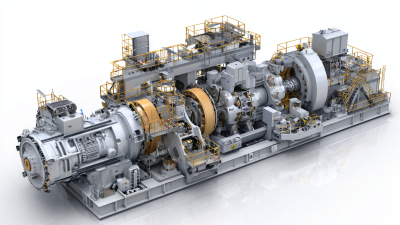
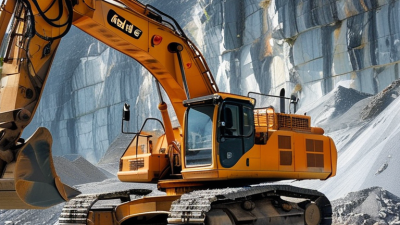
Key Gyratory Crusher Parts and Their Functions

2026 Best Gyratory Crusher Parts Manufacturers

Key Gyratory Crusher Parts and Their Functions

A gyratory crusher works under constant pressure, impact, and abrasive loading. Its mantle moves against fixed concaves, reducing large rocks inside the crushing chamber. The mantle controls product size, while concaves protect the shell and define the crushing profile. The main shaft transfers crushing force from the eccentric assembly. Even small surface damage can create uneven wear.

The eccentric rotates the main shaft and determines the crushing stroke. Bearings support this movement and manage heavy radial loads. A spider assembly stabilizes the upper shaft, while its bushing requires careful lubrication. Hydraulic adjustment systems control the closed-side setting and help compensate for wear. Dust seals protect internal components from fine particles. They are often overlooked.

The USGS Mineral Commodity Summaries 2025 estimated U.S. crushed-stone production at about 1.5 billion metric tons in 2024. That volume shows why reliable wear parts matter across aggregate operations. The International Energy Agency’s Global Critical Minerals Outlook 2024 also reported strong growth in mineral demand, increasing pressure on processing capacity. In practice, parts selection should consider feed size, abrasiveness, moisture, and operating hours. Generic replacement parts may fit, but fit alone proves little. Engineers should verify metallurgy, dimensional tolerances, and fatigue performance. I would also question service-life claims without test records. Field inspection remains essential, because real rock conditions rarely match laboratory assumptions.

How to Evaluate Gyratory Crusher Parts Manufacturers in 2026

2026 Best Gyratory Crusher Parts Manufacturers

How to Evaluate Gyratory Crusher Parts Manufacturers in 2026

Evaluating gyratory crusher parts manufacturers requires more than comparing prices. Check their experience with large crushing systems, difficult ore conditions, and continuous production demands. Ask for documented case records, inspection reports, and references from comparable operations. A polished website is not enough.

Material control matters greatly. Request heat-treatment records, chemical composition results, and dimensional inspection data. Confirm whether critical parts receive ultrasonic or magnetic-particle testing. Inspect how the manufacturer controls mantle profiles, concave fit, and machining tolerances. Small errors can create uneven wear, vibration, and costly downtime.

Look closely at traceability. Each part should connect to a production batch, inspection record, and shipment document. Reliable manufacturers explain lead times clearly and provide practical installation guidance. Their warranty should define wear limits, exclusions, and response procedures. Ask how they handle an urgent failure at a remote site.

A low quote can still be expensive.

During evaluation, compare total service life rather than purchase price alone. Review wear measurements from previous replacements and calculate cost per operating hour. I have seen specifications look impressive while field support remained weak. That weakness is easy to miss. Therefore, test the manufacturer’s communication before signing: request a technical clarification and measure the response quality, speed, and evidence provided.

Leading Manufacturer Capabilities and Product Standards

2026 Best Gyratory Crusher Parts Manufacturers

Leading manufacturers now compete on verified capability, not attractive catalogs. The U.S. Geological Survey reported about 1.5 billion metric tons of crushed stone production in 2023. That volume places constant pressure on mantles, concaves, and main-shaft assemblies. Parts must survive abrasive feed, impact loading, and uneven chamber wear. Practical experience matters here. A drawing alone cannot predict field performance.

Reliable suppliers should document alloy chemistry, heat-treatment cycles, and dimensional inspection results. ASTM A532 provides a useful reference for high-alloy white iron wear materials. ISO 9001-based quality systems can strengthen process control and corrective action. However, certification is not proof of every part’s performance. Each batch needs traceability, hardness testing, and independent verification. Small details matter.

Look for manufacturers with casting simulation, controlled melting, CNC machining, and full-scale fit checks. They should compare wear profiles after real operating hours, not only laboratory results. The World Steel Association reported global crude steel production above 1.8 billion tonnes in 2023, reflecting the scale of industrial material demand. Still, wear data can be incomplete. This is where suppliers should admit uncertainty, investigate premature failure, and revise designs. Honest reporting is more valuable than perfect claims.

How to Select the Right Gyratory Crusher Parts Supplier

Choosing a gyratory crusher parts supplier in 2026 requires more than comparing prices. Start with verified experience in large primary crushing systems. Ask for installation records, material certificates, and performance data from comparable machines. A reliable supplier should explain mantle, concave, spider, and eccentric options in practical terms. Their engineers must understand feed size, abrasiveness, throughput, and crushing chamber design. If every answer sounds identical, be cautious. Real expertise includes limits.

Inspect the supplier’s quality process before placing an order. Confirm dimensional inspection, heat treatment records, traceability, and final hardness testing. Request drawings for fit checks, not just a sales sheet. Check lead times against your maintenance schedule, including emergency support and spare-part availability. References from mines or quarries can reveal packing quality, delivery accuracy, and technical response after installation. One weakness matters. A perfect promise is rarely realistic.

Tips: Compare at least three quotations using the same specifications. Ask who handles warranty decisions and how quickly faults are investigated. Prefer clear inspection reports over impressive claims. Keep one sample worn part for future comparison. It can expose mismatched assumptions. Before approval, review payment terms, shipping protection, documentation, and communication channels. The cheapest component may create costly downtime, but the highest quotation is not automatically safer.

2026 Best Gyratory Crusher Parts Manufacturers

How to Select the Right Gyratory Crusher Parts Supplier

The chart compares typical nominal Brinell hardness values for commonly specified wear-part materials. Hardness alone should not determine supplier selection: buyers should also verify impact resistance, chemical composition, casting quality, dimensional accuracy, traceability, and compatibility with the crusher's feed size and operating conditions. The values represent typical engineering ranges rather than any individual manufacturer or brand.