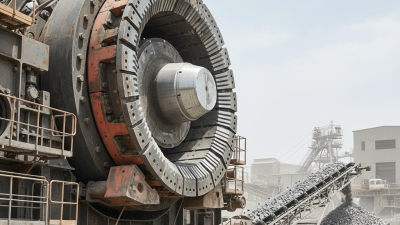
How to Choose the Right Gyratory Crusher Parts for Your Needs?
Choosing the right Gyratory Crusher Parts is critical for the efficiency and longevity of mining operations. According to a report by Mining Monthly, improper parts can lead to a 30% drop in operational productivity. Gyratory crushers are essential in handling bulk materials with high impact. The selection process requires careful consideration of specifications, compatibility, and durability.
Industry expert Dr. Jane Adams emphasizes, "The right Gyratory Crusher Parts can significantly reduce operational costs and downtime." This highlights the importance of making informed choices when selecting parts. However, some operators overlook the unique demands of their operations, which can lead to mismatched components. This can negatively affect output and maintenance schedules.
When investing in Gyratory Crusher Parts, attention to detail is crucial. Consider factors such as wear resistance and material quality. The stakes are high; poor decisions may require costly retrofits. Reflecting on past purchases can reveal patterns of oversight. Ensuring you have the best parts can lead to smoother operations and enhanced productivity.
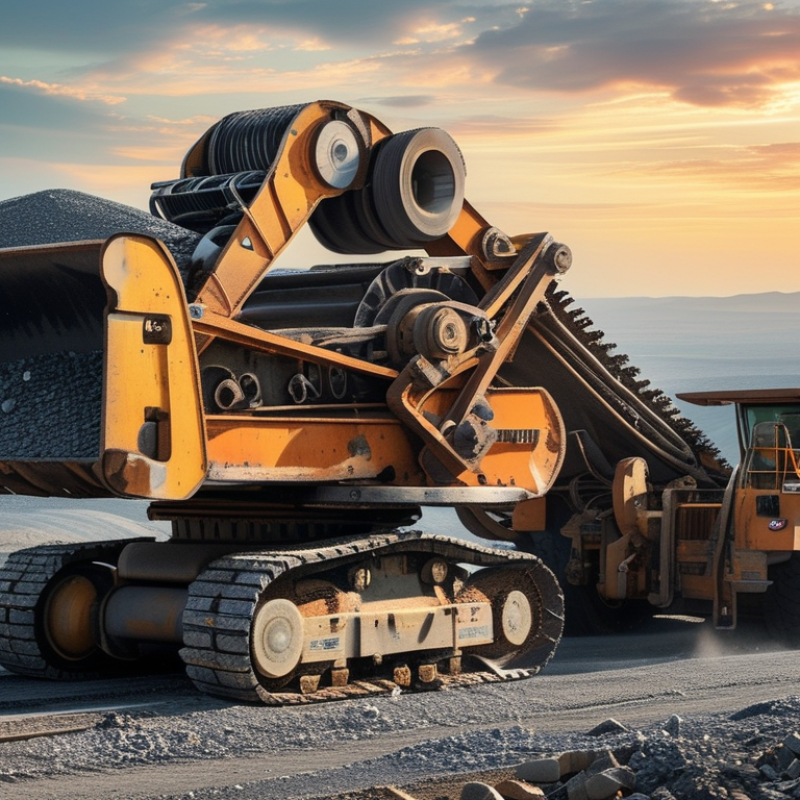
Understanding the Fundamental Components of Gyratory Crushers
Gyratory crushers are vital in many industrial applications. To select the right parts, it's essential to understand their fundamental components. These components include the mantle, concave, and the spider assembly.
The mantle is where the crushing occurs. It compresses materials against the concave surface. Choosing the correct mantle type can significantly affect the efficiency of the crusher. Different materials in the mantle enhance durability and performance. The concave provides the necessary support and shapes the crushed material. Variations in concave design can suit different material types and particle sizes.
The spider assembly stabilizes the entire crusher. It supports key components like the shaft and bearings. Neglecting the quality of the spider can lead to operational challenges. Any misalignment here can result in uneven wear, disrupting operations. Finding the right balance between cost and quality is critical. Overlooking this may lead to higher maintenance costs down the line. Each component plays a role in the overall efficiency and longevity of the machine. Understanding these details is key to making informed decisions.
Evaluating Material Compatibility for Gyratory Crusher Parts
When selecting parts for a gyratory crusher, material compatibility is crucial. Different mining environments require specific properties in the materials used for these parts. For instance, high abrasion resistance is vital in hard rock applications. Meanwhile, ductility may be necessary in softer materials. Ignoring these factors can lead to premature wear on the components.
The choice of alloys plays a significant role in ensuring the longevity of gyratory crusher parts. Manganese steel is commonly favored due to its excellent wear resistance and shock absorption properties. However, caring for these parts is essential. Regular inspections can prevent issues caused by fatigue or stress.
Finding the right balance of material for your specific needs can be challenging. Consulting with experts in the field can provide valuable insights. Don't hesitate to ask questions and seek advice on material selection. Making informed choices will lead to better performance and efficiency in your operations.
Analyzing Wear Resistance and Durability in Gyratory Crusher Components
When selecting parts for gyratory crushers, understanding wear resistance and durability is essential. The materials used in components significantly impact their lifespan and performance. High-quality steel alloys often offer better wear resistance. However, they may cost more upfront. Aim to balance cost with performance; sometimes cheaper parts wear out quickly, costing more in the long run.
Analyzing the working conditions of your crusher can help identify the right materials. For instance, crushers operating in abrasive environments require tougher materials. Consider the type of material being processed and the volume of daily operations. Components like mantles and concaves should be evaluated regularly for signs of wear. Those who overlook these details often face unplanned downtime.
In addition, effective maintenance practices are vital. Regular inspections can catch early signs of wear, allowing for timely replacements. It's worth pondering whether current maintenance schedules are sufficient. Relying on intuition alone may lead to costly mistakes. Stay informed about advancements in material technology and tools to enhance component longevity. The right choice is a blend of awareness and knowledge of specific operational needs.
Wear Resistance and Durability of Gyratory Crusher Parts
Assessing Various Manufacturers and Their Product Performance Metrics
When choosing gyratory crusher parts, assessing manufacturers is crucial. Performance metrics can vary widely among suppliers. According to recent industry reports, over 60% of crushing equipment failures are linked to improper components. This highlights the importance of manufacturer reliability.
Evaluate each manufacturer's product performance metrics carefully. Look for factors such as wear life and adaptability. For instance, reports show that high-quality liners provide up to 25% longer service life. This contributes to reduced downtime, a significant factor for operations.
Additionally, consider the availability of parts and support. A trusted manufacturer will offer detailed performance data and responsive customer service. This can greatly impact overall efficiency. Not all suppliers provide transparent data. This requires careful research and sometimes second-guessing initial impressions. Prioritize partnerships that value transparency and reliability.
Determining Cost-Effectiveness and Budget Considerations for Purchases
When considering the purchase of gyratory crusher parts, cost-effectiveness plays a vital role. A well-planned budget can help prioritize components that meet operational needs without overspending. It's crucial to balance quality with affordability. Overspending on high-end parts may not yield significant performance improvements. Conversely, opting for cheap alternatives can lead to frequent replacements and downtime.
Examining the total cost of ownership is essential. This includes initial purchase price, maintenance, and longevity of the parts. Analyzing the lifecycle of components helps in making informed decisions. Some businesses may find that investing more upfront can save money in the long run. However, determining the right balance can be challenging. Sometimes, less expensive options may become more expensive over time.
Taking time to evaluate various suppliers is necessary. Not all manufacturers provide the same level of quality and service. Researching their reputation can uncover valuable insights. Engaging with peers and online forums can provide practical feedback. Being aware of potential pitfalls is critical. Sometimes, the best decisions are not immediately obvious. Reflection on past purchases can guide future choices.