2026 Best Primary Gyratory Crusher Parts Suppliers
Primary Gyratory Crusher Parts will matter more in 2026 as mines pursue higher throughput, longer operating cycles, and tighter maintenance budgets. A primary gyratory crusher can weigh hundreds of tonnes, yet a worn mantle, concave, or spider bushing can interrupt an entire production line. The cost is rarely limited to the replacement part.
The USGS Mineral Commodity Summaries 2025 reported approximately 22 million metric tons of mined copper production worldwide in 2024. Iron ore output also remained enormous, according to the USGS. These figures underline the pressure placed on primary crushing equipment. Every hour of lost availability can affect haulage, milling, stockpiles, and shipment schedules. The numbers are persuasive, but they do not explain every failure.
This 2026 supplier review examines more than catalogue prices. It considers casting quality, alloy selection, dimensional control, pattern accuracy, delivery performance, and documented field experience. Reliable suppliers should provide material certificates, inspection records, installation guidance, and measurable wear data. They should also understand local ore characteristics, not merely sell standard components.
Comminution specialist Tim Napier-Munn offers a useful practical warning: “Measure the whole circuit, not only the crusher.” That principle helps buyers judge Primary Gyratory Crusher Parts within real operating conditions. Feed size, moisture, abrasiveness, chamber design, and maintenance habits all influence service life. A supplier may promise longer wear life. Evidence must support it.
This guide compares leading suppliers through an E-E-A-T lens: practical experience, technical expertise, authoritative documentation, and transparent claims. Some rankings remain debatable. That is intentional. Purchasing decisions deserve scrutiny, especially when a bright new part still fails before the next shutdown.
Primary Gyratory Crusher Parts: Role, Types, and Key Functions
2026 Best Primary Gyratory Crusher Parts Suppliers
Primary gyratory crusher parts control feed stability, reduction performance, and equipment safety. Their importance grows with production demand. The USGS Mineral Commodity Summaries 2025 estimates 1.5 billion metric tons of crushed stone were produced in the United States during 2024. That volume exposes weak components quickly.
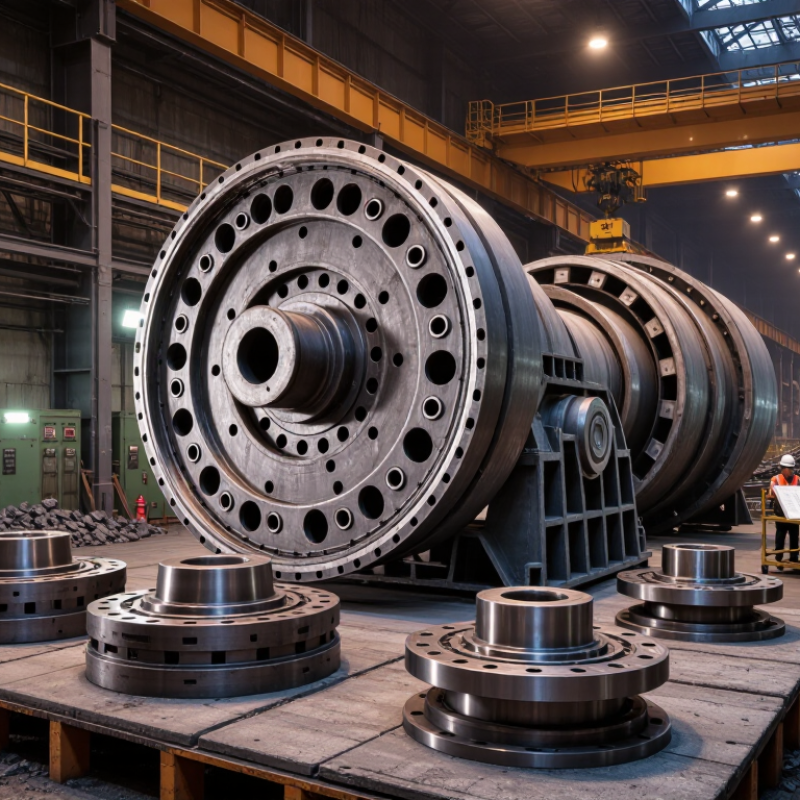
The mantle and concaves absorb continuous impact and determine the crushing chamber profile. The mainshaft transfers force through the eccentric assembly. Bearings, bushings, seals, and hydraulic components maintain alignment and control. A worn mantle may increase energy use and create uneven product size. Damaged concaves can cause vibration, oversize discharge, and unplanned stoppages. These effects are practical, not theoretical. They appear on conveyors, in stockpiles, and inside maintenance records.
Tips: Compare suppliers by material traceability, dimensional inspection, heat-treatment records, and field experience. Ask for hardness data and installation guidance. Keep critical bushings and sealing kits nearby. The Global Mining Guidelines Group stresses risk-based maintenance and reliable equipment data. Yet a perfect inspection plan can still fail when operators ignore unusual noise or rising bearing temperature. That weakness deserves review. Supplier quality should include technical support, emergency response, and documented fit verification. The cheapest part may not be the lowest-cost choice after labor, downtime, and reinstallation are counted.
How to Evaluate Primary Gyratory Crusher Parts Suppliers in 2026
2026 Best Primary Gyratory Crusher Parts Suppliers
How to Evaluate Primary Gyratory Crusher Parts Suppliers in 2026
Choosing a primary gyratory crusher parts supplier requires more than comparing prices. Start with proven engineering experience in mantles, concaves, spider bushings, and mainshaft assemblies. Ask for material certificates, dimensional records, and clear heat-treatment data. A reliable supplier should explain how each part matches your crusher’s operating load, feed size, and maintenance history.
Request evidence from comparable mines, not polished promises. Check whether the supplier can provide inspection reports, fitting guidance, and practical troubleshooting support. Lead time also matters. A low-cost part is useless if your shutdown extends for three weeks. Evaluate stock locations, machining capacity, packaging quality, and emergency communication. Warranty terms should identify measurable acceptance criteria, not vague language.
Tips: Compare at least three technical proposals. Ask for drawings before production. Confirm tolerances with your maintenance team. Review wear-life claims against actual site records.
Do not ignore small details. A poorly protected bushing can arrive with surface damage, even inside strong packaging. Supplier evaluation is also a test of your own process. Perhaps your specifications are incomplete. Perhaps previous failures came from installation, not casting quality. Leave room for uncomfortable questions, and record every decision before ordering. No supplier is perfect. Traceability and honest correction matter more than confident sales language.
Leading Supplier Capabilities: Quality, Compatibility, and Delivery
Primary gyratory crusher parts suppliers are judged by more than catalog size. In quarry maintenance, quality appears in small details: measured bushings, tested castings, and clean machining marks. A reliable supplier should provide material certificates, inspection records, and clear dimensional tolerances. These documents help maintenance teams trace each part from production to installation. Fit matters. A mantle or concave with poor compatibility can create vibration, uneven wear, and costly downtime.
Experienced suppliers compare drawings, crusher models, operating conditions, and previous wear patterns before recommending parts. They should ask about feed size, moisture, throughput, and liner life. That conversation shows technical judgment, not just sales confidence. Delivery is equally practical. Accurate stock information, protective packing, and staged shipping reduce surprises at the site. Still, no supplier is perfect. Lead times can shift when castings require rework or inspection. Transparent updates allow planners to adjust crews and spare-part schedules.
Tips: Request a compatibility check before ordering. Send current drawings, photos, and serial details when available. Ask how critical dimensions are inspected. Keep one trial part under observation, even after a successful installation. Field results can challenge assumptions. Record wear after 100, 500, and 1,000 operating hours. These notes improve the next purchase and reveal whether promised quality matches quarry conditions.
Comparing Supplier Services, Pricing, Warranties, and Technical Support
Choosing primary gyratory crusher parts suppliers in 2026 requires more than comparing catalog prices. Experienced maintenance teams inspect mantle and concave specifications, casting quality, delivery records, and installation guidance. Fit matters. A low-priced part can become expensive when it causes vibration, uneven wear, or extended downtime.
Supplier service should include dimensional verification, wear-life estimates, and responsive order communication. Some suppliers provide field engineers who review feed conditions, chamber profiles, and operating loads before production. This practical support reduces ordering errors. However, technical advice is only valuable when engineers understand the actual crushing circuit. General recommendations may miss site-specific problems.
Pricing comparisons should include freight, machining, emergency production, and replacement intervals. Warranty terms also deserve careful reading. Coverage may exclude incorrect installation, excessive tramp material, or unsuitable operating conditions. Ask whether the supplier offers inspection reports, traceable materials, and a clear claim process. Strong technical support includes drawings, torque guidance, start-up checks, and quick troubleshooting through video or site visits. Our own comparisons are not flawless. Delivery promises can change when foundries face capacity pressure, so written lead times and progress updates remain essential. A dependable supplier admits limitations and documents corrective actions when a part fails earlier than expected.
How to Select the Best Supplier for Your Gyratory Crusher Needs
2026 Best Primary Gyratory Crusher Parts Suppliers
Selecting a primary gyratory crusher parts supplier requires more than comparing catalog prices.
Start with operating data: mantle profile, concave design, feed size, throughput, and ore abrasiveness.
A capable supplier should request these details before recommending parts. That behavior shows practical experience. It also reduces the risk of fitting a standard component to an unusual crushing chamber. Ask for material certificates, dimensional drawings, and documented inspection stages. Clear records matter.
Evaluate engineering competence through questions, not polished promises.
Can the supplier explain expected wear patterns? Can it provide machining tolerances and heat-treatment information? Request references from comparable mines, then verify service life, delivery accuracy, and field support. A reliable supplier should discuss installation guidance, emergency availability, and root-cause analysis.
Beware of vague claims. They often hide weak controls.
Price still matters, but a cheaper mantle can increase downtime, labor, and liner consumption. Calculate total operating cost over a replacement cycle.
Inspect communication during a trial order.
Responses should be precise, technical, and easy to audit. Confirm packaging, traceability, warranty terms, and approval procedures before production. Keep written records of measurements taken during shutdowns. They help compare actual wear with the supplier’s forecast.
Forecasts are not facts.
Even experienced teams can misjudge geology, operator habits, or seasonal moisture. Leave room for correction. The best supplier listens when field evidence challenges its original recommendation and changes the design responsibly.