2026 Best Jaw Crusher Wear Parts Guide for Optimal Performance?
In the realm of construction and mining, "Jaw Crusher Wear Parts" play a crucial role in the efficiency and longevity of jaw crushers. According to industry expert Dr. Michael Thompson, "Selecting the right wear parts can drastically impact operational efficiency." This underscores the importance of understanding these components for optimal performance.
Jaw crushers endure significant stress and wear during operations. The wear parts, including jaws and cheek plates, must endure extreme conditions. Their integrity directly affects the crusher's output and maintenance costs. Failing to choose quality wear parts may lead to frequent breakdowns and costly repairs.
As the industry evolves, so do the materials and technologies used in wear parts. Innovation is paramount, yet not all options prove effective in all settings. Reflecting on past experiences can guide future choices. Understanding the trade-offs between cost and performance remains a challenge for many professionals. Ensuring the right fit for specific applications requires ongoing evaluation and knowledge sharing among industry players.
Overview of Jaw Crusher Wear Parts and Their Importance
Jaw crusher wear parts play a crucial role in maintaining the efficiency of crushing operations. These components endure significant stress, resulting in wear over time. Understanding these parts is essential for prolonging the life of your machinery. Key components include jaw dies, cheek plates, and liners. Each part must be made from durable materials to withstand the forces involved.
Regular inspections are vital. Look for signs of wear and tear. Small cracks can lead to major failures. Replace parts proactively to maintain peak performance. It’s wise to choose high-quality materials to ensure longevity. Investing in reliable wear parts pays off in the long run.
Tips: Always follow the manufacturer’s guidelines when replacing parts. Keep records of maintenance. This helps track wear patterns and schedules for parts replacement. Use appropriate tools during installation. Poor fitting can lead to more wear and potential damage. Stay informed about the latest materials and innovations in wear parts technology.
2026 Best Jaw Crusher Wear Parts Performance Metrics
This chart illustrates the impact of different jaw crusher wear parts on operational efficiency. The data represents the expected lifespan (in hours) and operational efficiency (in percentage) of various wear parts commonly used in jaw crushers.
Common Types of Jaw Crusher Wear Parts and Their Functions
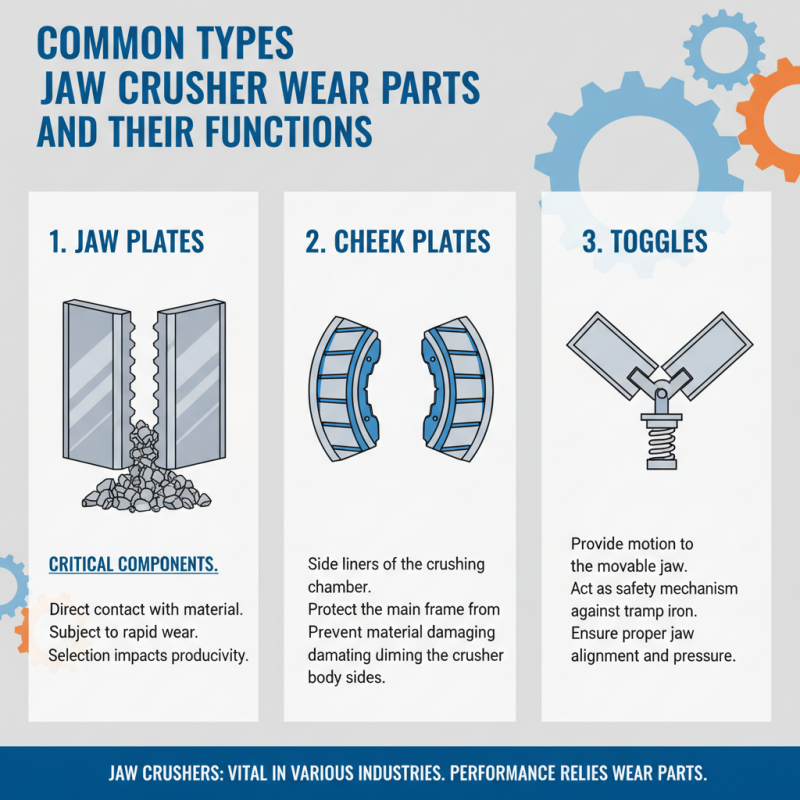
Jaw crushers are vital in various industries. Their performance heavily relies on the wear parts designed for them. Essential parts include the jaw plates, cheek plates, and toggles. Each plays a specific role in the crushing process. The jaw plates, for instance, are the most critical components. They come into direct contact with the material, making them wear out quickly. Proper selection of jaw plates can significantly impact productivity.
Cheek plates are equally important. They protect the sides of the jaw crusher while assisting in the crushing process. If these parts wear unevenly, it may lead to inefficient operation. Toggle plates, on the other hand, are crucial for connecting the movable jaw to the frame. They help maintain the proper gap between the jaws. Understanding the function of each part is essential for optimal performance.
Choosing the right quality for wear parts can be challenging. Not all materials can withstand the stress involved. There could be instances of faster wear, leading to increased downtime. It's critical to regularly inspect and replace worn components. Adopting a proactive maintenance approach ensures longevity and better performance of the jaw crusher. Ultimately, quality wear parts can make a real difference.
Best Materials for Jaw Crusher Wear Parts and Their Benefits
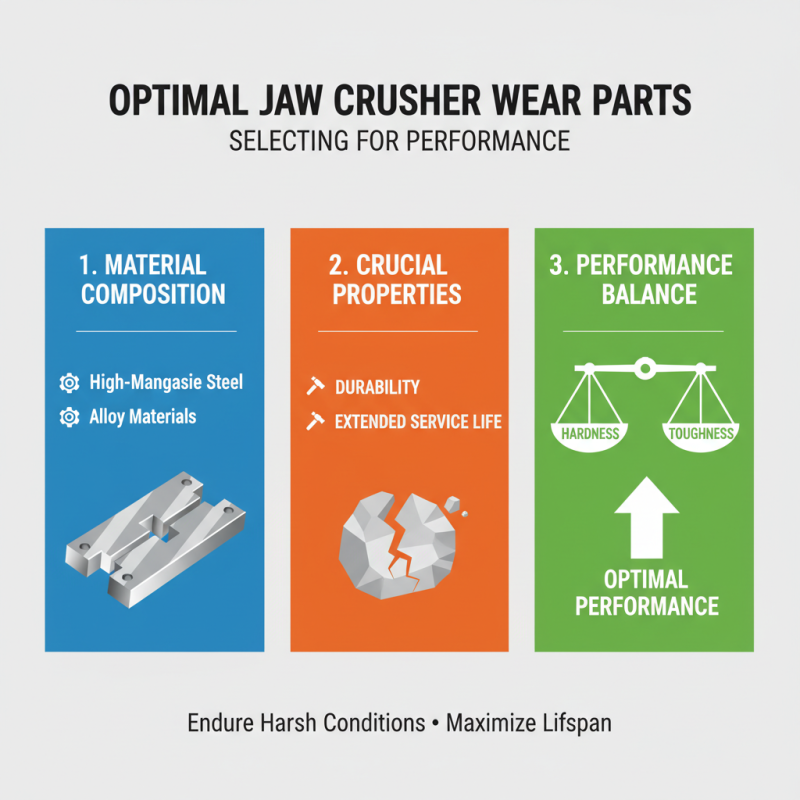
When it comes to jaw crusher wear parts, selecting the right materials is crucial for achieving optimal performance. High manganese steel is commonly used due to its excellent work-hardening properties. This material can endure high impact while maintaining its structure. However, it can become brittle over time, which leads to premature failure. Regular inspections are essential to identify wear patterns.
Another option is alloy steel, which enhances toughness and resistance to abrasion. It contains elements like chromium and nickel, providing a balance between hardness and ductility. While alloy steel may exhibit better durability initially, it can also be more expensive. Evaluating the operating conditions can guide users in choosing the right material.
Understanding wear mechanisms is essential for improving performance. For example, crushing abrasive materials can accelerate wear rates. Therefore, users must monitor the working environment and adjust their material choices accordingly. Thoughtful consideration of material properties will lead to better longevity and efficiency of the jaw crusher.
Maintenance Tips for Maximizing Jaw Crusher Wear Parts Longevity
Maintaining jaw crusher wear parts is crucial for longevity and performance. Regular inspections help identify wear patterns early. Check the cheek plates, jaw dies, and other critical components frequently. Look for signs of damage, such as cracks or excessive wear.
Immediate replacement of worn parts prevents further damage and costly repairs.
Proper lubrication extends the lifespan of jaw crusher parts. Use the right grease type, ensuring all moving parts are adequately lubricated.
Too much or too little grease can lead to failures. Maintaining proper alignment also plays a key role. Misalignment causes uneven wear, leading to premature failure.
Don’t overlook the importance of operator training. Skilled operators can recognize unusual sounds or vibrations. Regular training keeps operators aware of best practices. They should also understand how to spot early signs of wear and take necessary corrective actions. Small adjustments can lead to significant improvements in performance and lifespan.