How to Choose the Right Swing Jaw Crusher Plate for Your Needs
Choosing the right Swing Jaw Crusher Plate can significantly impact your operations. John Smith, a renowned expert in the crushing industry, once stated, "Selecting the correct plate ensures efficiency and longevity." This highlights the importance of informed choices.
A Swing Jaw Crusher Plate serves as a crucial component in various applications. This part endures immense pressure and wear during operation. The material and design of the plate directly influence the machine’s performance. Attention to detail is essential when considering options.
Many users overlook the specifics when selecting a plate. They may prioritize cost over quality. However, a cheap plate can lead to frequent replacements. This results in increased downtime and maintenance costs. Investing in the right Swing Jaw Crusher Plate pays off in the long run. Balancing cost and quality is key for sustainable operations.
Understanding the Functionality of Swing Jaw Crusher Plates
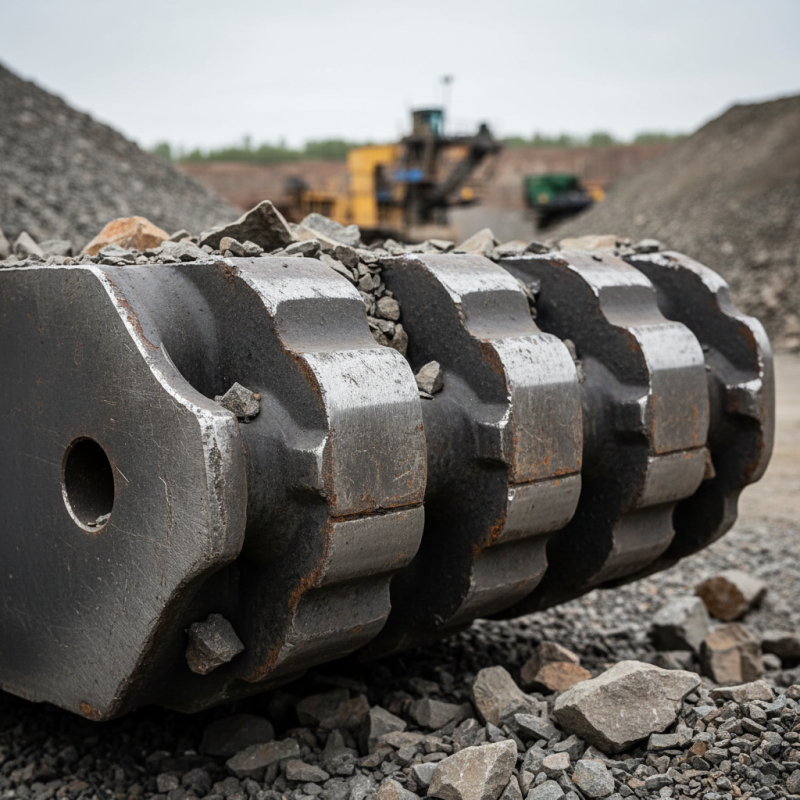
When selecting a swing jaw crusher plate, understanding its functionality is crucial. The swing jaw plate plays a pivotal role in crushing materials efficiently. It works by moving back and forth, which helps break down hard rocks into smaller, manageable fragments. The design of the plate impacts the overall performance and durability of the crusher.
Material choice is essential. High manganese steel is popular due to its excellent wear resistance. However, it's important to consider the specific material you are crushing. Not all plates perform well with every material type. There may be times when a different composition yields better results. Always assess if the plate can withstand the expected load and wear.
Additionally, plate geometry matters. A well-designed swing jaw plate allows for consistent crushing action. If the shape is not optimized, it can lead to uneven wear and breakdowns. Regular monitoring of the plate is vital to prevent costly downtime. Reflecting on these factors can improve your operational efficiency and equipment lifespan.
How to Choose the Right Swing Jaw Crusher Plate for Your Needs
| Plate Material |
Hardness (HB) |
Weight (kg) |
Thickness (mm) |
Applications |
| Mn14 Steel |
230 |
150 |
50 |
Medium-hard materials |
| Mn18 Steel |
250 |
160 |
55 |
Harder rocks and minerals |
| Alloy Steel |
210 |
140 |
45 |
Recyclable materials |
| Chrome-Molybdenum Steel |
270 |
170 |
60 |
Heavy-duty applications |
| High Manganese Steel |
300 |
180 |
65 |
Extremely abrasive materials |
Factors to Consider When Selecting a Swing Jaw Crusher Plate
When selecting a swing jaw crusher plate, several factors come into play that can significantly impact performance. The material of the plate is crucial. It should withstand crushing stresses while ensuring durability. Typically, plates are made from high-carbon steel or other alloys. It's important to choose a material that suits the type of material being processed.
Another key factor is the design and dimensions of the plate. A properly designed plate enhances efficiency and reduces wear. You need to consider both the width and height. These dimensions affect the crushing chamber's geometry. Additionally, the thickness of the plate contributes to its strength.
**Tips:** Always evaluate the specific application requirements. Consider the rock type and the desired output size. Remember, a misfit plate can lead to increased downtime. Don’t overlook maintenance schedules. Regular checks can help identify wear and tear early.
Lastly, production rates should influence your decision. A plate that handles higher loads may be beneficial, but balance it with potential wear. It's essential to reflect on previous experiences with similar equipment. Learning from past selections can lead to better choices in the future.
Materials Used for Swing Jaw Crusher Plates and Their Benefits
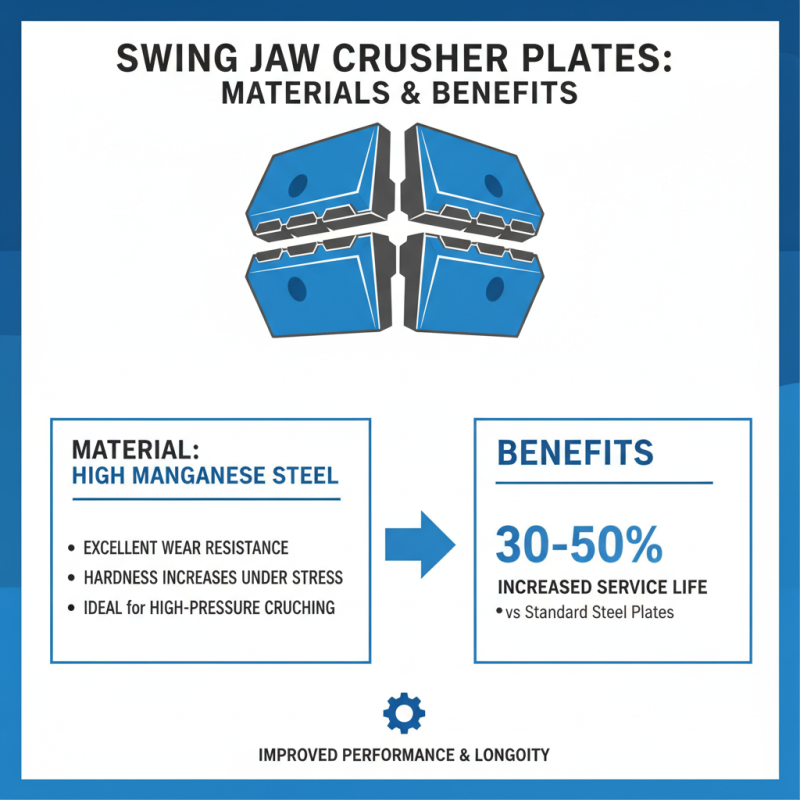
The choice of materials for swing jaw crusher plates significantly impacts performance and longevity. Common materials include high manganese steel, which offers excellent wear resistance. Typically, this alloy can sustain an increase in hardness under strain, making it ideal for high-pressure crushing applications. According to industry reports, high manganese steel plates exhibit a 30-50% increase in service life compared to standard steel plates.
Another option is low alloy steel, which balances toughness and wear resistance. It is lighter and can enhance operational efficiency. However, while it is easier to manufacture, some users report a compromise in durability under extreme conditions. A study from the International Journal of Minerals, Metallurgy and Materials revealed that while alloyed plates improve productivity, their performance under high-impact stress remains a subject for further research.
Ceramic composites are also emerging as a material choice, as they resist wear effectively. However, their brittle nature poses challenges during high-impact operations. Users have expressed concerns regarding their fragility, highlighting the need for comprehensive testing before implementing these materials in the field. Understanding these material properties ensures selecting the right swing jaw crusher plate for various operational demands.
Common Types of Swing Jaw Crusher Plates and Their Applications
When selecting a swing jaw crusher plate, understanding the types available is crucial. There are generally two common types:
standard and
heavy-duty plates.
Standard plates work well for softer materials. They deliver efficiency in moderate conditions.
Heavy-duty plates, however, excel in high-impact scenarios. They are designed for harder materials.
Material composition plays a key role in performance. For instance, manganese steel plates provide exceptional durability.
Reports indicate that they can withstand greater wear and tear. Their unique structure aids in the minimization of cracking. Another option includes chrome-moly alloys.
These offer a balance between toughness and weight, suitable for specific operations.
Choosing the right plate involves weighing various factors. Applications may vary in hardness and size of materials. For instance, a
quarry may need a different plate than a recycling plant.
Misjudgment can lead to operational inefficiencies. An ill-suited plate can increase downtime and costs unexpectedly.
Evaluating existing data on wear patterns can guide better choices, ensuring longevity and performance.
Maintenance Tips for Extending the Life of Swing Jaw Crusher Plates
Maintaining swing jaw crusher plates is crucial for optimizing performance. These plates endure tremendous stress during operation. Regular maintenance can significantly extend their lifespan.
One effective maintenance tip involves regular inspections. Check for signs of wear or damage. Early detection can prevent catastrophic failure. Replacing worn plates promptly encourages smoother operation. Additionally, ensuring a proper fit between the plate and the crusher mechanism is vital. Misalignment can lead to uneven wear and further complications.
Lubrication is another key aspect. Proper lubrication reduces friction and minimizes wear. However, it’s easy to overlook this step. Remember, too much lubrication can attract dirt and debris. This may result in more harm than good. It’s about finding the right balance between too little and too much. With consistent attention, you can ensure your swing jaw crusher plates last longer and perform better.