Top Cone Crusher Parts for 2026 Buyers Guide?
In the world of mining and construction, selecting the right components is crucial. Cone Crusher Parts play a significant role in achieving high performance. As the industry evolves, understanding what to look for becomes essential. Buyers need to consider various factors, from durability to compatibility.
In 2026, the market will offer several options for Cone Crusher Parts. Buyers should focus on quality and reputation. Not all parts are created equal, and some may fall short of expectations. It's vital to research and make informed decisions.
Consider the impact of high-quality parts on overall efficiency. Investing in top-tier components can reduce downtime and maintenance costs. Reflect on your current needs and how advancements in technology might offer better solutions. Ensure you are well-prepared for future challenges in your projects.
Essential Components of Cone Crushers for 2026 Buyers
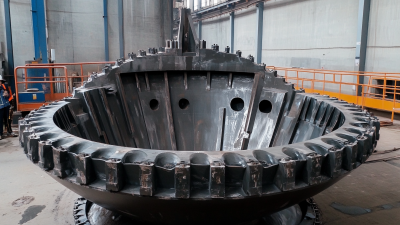
When considering cone crushers in 2026, understanding essential components is crucial. Key parts include the mantle, bowl liner, and chamber designs. The mantle and bowl liner contribute to the crushing process's efficiency and overall performance. According to industry reports, replacing worn parts can improve efficiency by up to 15%.
Another vital component is the hydraulic system. It ensures optimal operation and safety. A well-maintained hydraulic system minimizes the risk of failure and enhances productivity. Wearable parts like the blow bars should also be analyzed regularly. They generally have a service life of 2,000-3,000 hours but require monitoring for maximum performance.
Material choice influences durability. High-carbon steel and manganese alloys are common in production. Research shows that employing superior materials visibly lowers maintenance costs. While many buyers focus on initial costs, investing in quality components results in long-term savings. Continuous evaluation of parts is necessary for successful operations.
Understanding the Functionality of Each Cone Crusher Part
When purchasing a cone crusher, understanding each part's functionality is crucial. The main components include the mantle, bowl liner, and concave. Each part plays a vital role in the crushing process. The mantle is the rotating piece that crushes rocks against the bowl liner, which remains stationary. This dynamic interaction breaks down materials effectively.
Variable feed sizes can pose challenges. The design of the bowl liner affects the overall performance. If the bowl liner wears unevenly, it can lead to inefficient crushing. Regular maintenance is key. Inspecting these parts frequently helps identify wear and tear. It prevents unexpected downtime and costly repairs.
The crushing chamber's design can also affect operations. It determines how well materials are processed. An ideal chamber design can minimize material buildup and ensure smooth flow. This often gets overlooked, but it is essential for optimal efficiency. Adaptability to various materials is necessary. Each project may demand different configurations, highlighting the need for understanding cone crusher parts thoroughly.
Key Materials Used in Manufacturing Cone Crusher Parts
When selecting cone crusher parts, understanding the key materials used in manufacturing is crucial. High-quality steel alloys dominate the market. These alloys provide durability and resistance to wear. Manganese steel, with its high impact strength, is commonly used in crusher wear parts. This material helps in extending the lifespan of the components.
Another important material is chrome. It enhances the hardness and toughness of the steel. This combination ensures that the parts can withstand heavy loads and resist abrasion effectively. However, not all manufacturers adhere to the same quality standards. It's essential to verify the sourcing of these materials to ensure reliability.
Tips: Always check the material certifications from suppliers. This ensures that you're getting parts made with high-grade materials. Feel free to ask for test results or wear analysis. Regular maintenance can also prolong the lifespan, so consider your operational environment carefully. Remember, investing in quality parts saves money in the long run, even if prices seem higher upfront.
Factors to Consider When Choosing Cone Crusher Parts
When selecting cone crusher parts, several crucial factors come into play. The material quality is paramount. Components made from high-quality alloys tend to last longer and perform better. Understanding the different types of materials can directly impact your operation's efficiency.
Fit and compatibility also deserve attention. Ensuring that parts fit correctly is essential for optimal performance. Misalignments can lead to premature wear and increased operational costs. Regular inspections can help avoid these issues.
Additionally, consider the supplier’s reputation. An experienced supplier often provides parts that have been tested and proven. Look for reviews and case studies. Not every part will meet expectations. It’s important to remain critical and proactive in your choices.
Maintenance Tips for Maximizing the Lifespan of Cone Crusher Parts
Maintaining your cone crusher parts is essential for longevity and performance. Regular inspections can help identify wear and tear. Check for signs of fatigue, like cracks or excessive wear, during routine maintenance. This proactive approach is vital for avoiding costly repairs.
Keeping lubrication systems clean and filled is crucial. Use quality oils to ensure optimal performance and reduce friction. A well-lubricated cone crusher runs smoother, which extends the life of the parts. Remember, old oil can cause issues. Change it periodically to maintain efficiency.
Daily cleaning routines should not be overlooked. Accumulated dust and debris can lead to unexpected failures. Regularly removing buildup can prevent unnecessary strain on components. Reflecting on maintenance practices is necessary. Are they consistently followed, or overlooked? This reflection often reveals areas for improvement.
Top Cone Crusher Parts Data Analysis for 2026 Buyers Guide
This chart illustrates the importance score of various cone crusher parts based on their contribution to the overall performance. The scores range from 1 to 10, indicating how critical each part is for efficient operation and maintenance in 2026.