2026 How to Choose Gyratory Crusher Wear Parts Effectively?
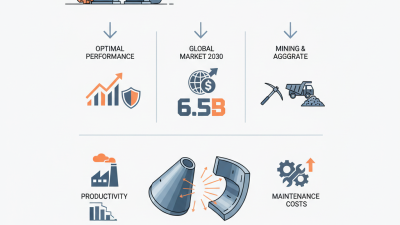
Choosing the right Gyratory Crusher Wear Parts is crucial for optimal performance in mining and aggregate production. As industry expert Dr. Jane Holloway once stated, “The effectiveness of your crusher heavily depends on the wear parts you select.” This emphasizes the need for informed decision-making in this area.
Wear parts are significant components that influence the lifespan of a gyratory crusher. They endure extreme conditions and wear over time. A poor choice can lead to increased downtime and higher operational costs. Understanding material composition, design, and compatibility is vital. Many operators overlook these factors in their selection process.
Crushers can vary dramatically in performance based on the quality of wear parts. Regular reviews and sourcing from reputable suppliers encourage longevity. It’s also essential to regularly assess the wear state to make adjustments. Finding the ideal balance can be challenging. But knowing the right details can lead to more effective choices.
Understanding Gyratory Crusher Wear Parts and Their Importance
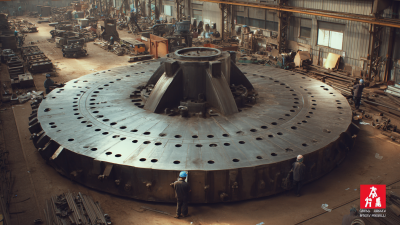
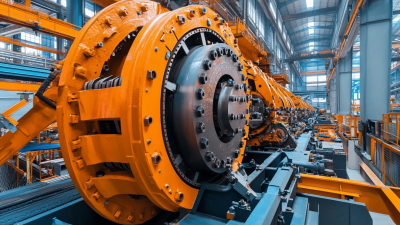
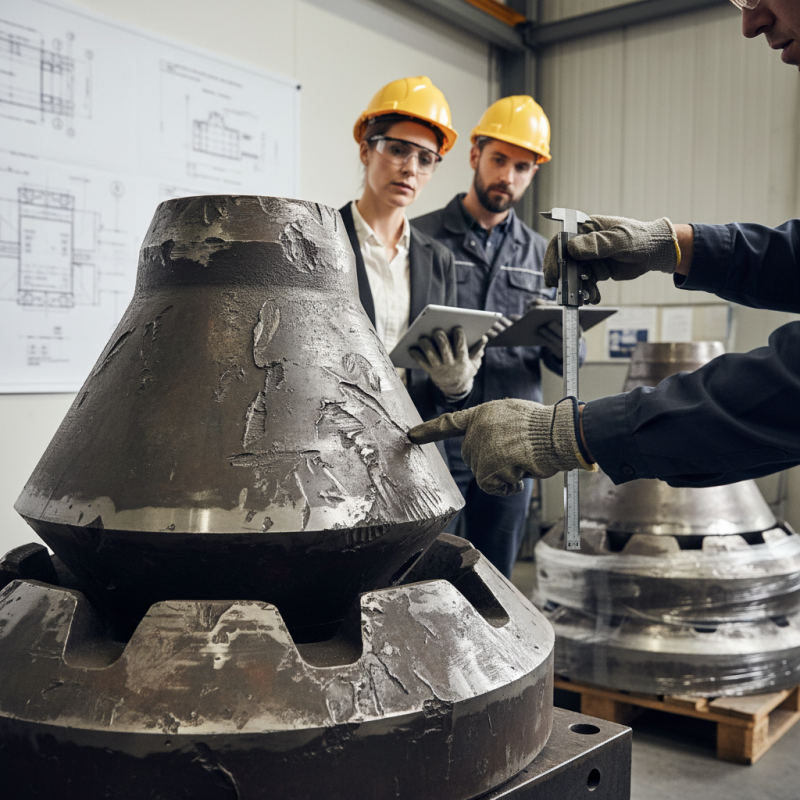
Understanding gyratory crusher wear parts is essential for optimizing their performance. These components endure significant stress during crushing. They directly impact the efficiency and durability of the machine. Key parts include mantles, concaves, and cheek plates. Each part plays a unique role in the crushing process. Using high-quality materials can enhance the longevity of these wear parts.
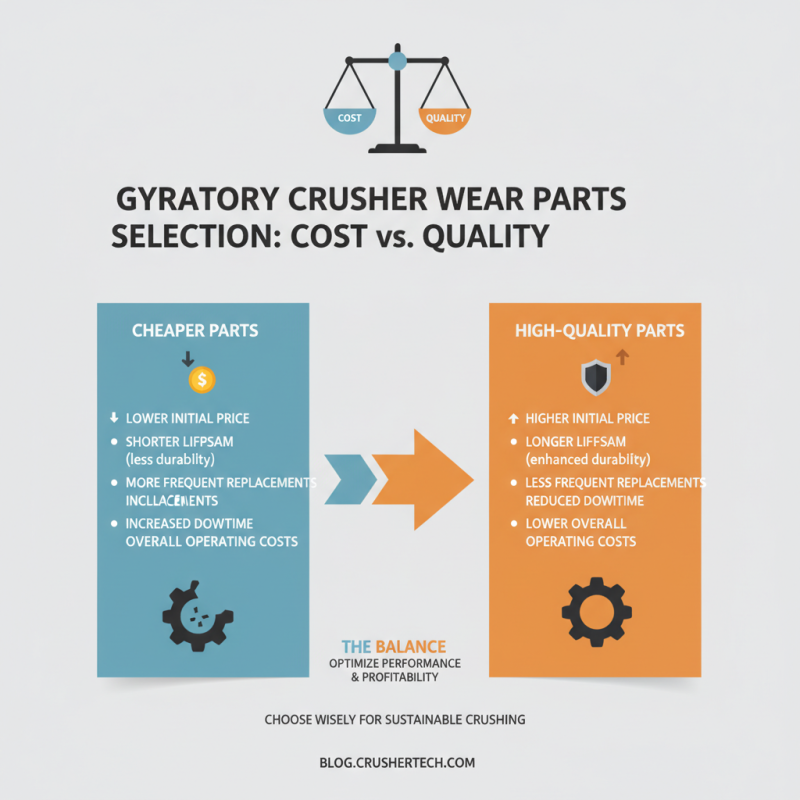
Selecting the right wear parts can be challenging. It requires a solid grasp of the material and project requirements. Factors like rock type and size matter. Sometimes, operators struggle to balance cost and quality. Cheap parts might lead to frequent replacements. This could affect the overall production cycle. Regular monitoring and analysis help identify wear patterns and guide part selection.
It's crucial to consider maintenance routines, too. Regular inspections can reveal wear issues before they escalate. Understanding when to replace wear parts can prevent unexpected downtimes. Some operators overlook these details, which can lead to larger problems. Gyratory crushers are vital in many industries. Knowing their wear parts deeply can contribute significantly to operational efficiency.
Key Factors to Consider When Choosing Wear Parts for Gyratory Crushers
Choosing wear parts for gyratory crushers is crucial for optimizing performance.
Key factors include material composition, design, and operational conditions.
According to industry reports, over 70% of premature failures in crushers can be attributed to
suboptimal wear part selection. Therefore, understanding the specific wear mechanisms is essential.
Material selection plays a vital role. High-quality chrome-molybdenum steel is often recommended.
This ensures durability under extreme conditions. Studies indicate that wear parts made of such materials last
up to 30% longer than standard options. Additionally, considering the specific application
is necessary. Different materials perform better in specific ore types.
Another aspect to reflect on is design. The geometry of wear parts affects their longevity.
A mismatch can lead to increased wear and operational inefficiencies. Moreover, operational conditions, like feed size and moisture content,
impact wear rate. Adapting wear parts to these variables can improve life and reduce costs.
Observing these factors will lead to better decision-making and minimized downtime.
Material Types and Their Impact on Wear Resistance in Crushers
When selecting wear parts for gyratory crushers, understanding material types is crucial. Wear resistance significantly affects the lifespan of these components. High manganese steel is popular due to its excellent impact strength. It can withstand heavy loads but may not be the best choice in all scenarios.
Chrome alloys offer superior abrasion resistance. They are effective in abrasive environments. However, their toughness can be a concern, especially under shock loading.
Selecting the right material involves assessing the specific conditions each crusher will face.
It's vital to balance durability with performance. For example, harder materials may wear less but could lead to brittle failure. Manufacturers often provide guidelines, but real-world testing should never be overlooked.
Experience in varying conditions helps refine these choices. Evaluating past performance will enhance future decisions. Every operation presents unique challenges. Understanding these nuances can lead to optimal wear part selection and better crusher efficiency.
Maintenance Best Practices for Extending Lifespan of Wear Parts
Selecting the right wear parts for gyratory crushers is crucial for optimal performance. Regular maintenance practices can significantly extend the lifespan of these components. One effective strategy is to conduct routine inspections. Regular checks can identify wear and tear before it becomes a critical issue. This proactive approach can save time and reduce costs.
Incorporating proper lubrication is another essential aspect of maintenance. Keeping wear parts well-lubricated minimizes friction and reduces wear rates. However, over-lubrication can also lead to problems. Finding the right balance is key. Operators should regularly monitor lubrication levels and adjust as necessary.
Training personnel on best practices is critical too. Workers should understand how to recognize early signs of wear. This knowledge can translate into timely interventions. Documenting maintenance activities offers insights into patterns over time. Reflection on past practices can help refine future maintenance strategies. It's a continuous process, and mistakes along the way provide valuable lessons.