10 Essential Tips for Optimizing Your Gyratory Crusher Performance?
Gyratory Crushers play a crucial role in the mining and aggregate industries. Their ability to crush large volumes of material efficiently makes them indispensable. However, optimizing their performance is often overlooked. Properly maintaining and operating a Gyratory Crusher can drastically improve productivity and reduce costs.
Achieving peak performance requires a blend of technical know-how and practical experience. It involves understanding the equipment's design, the materials being processed, and the environment in which it operates. Each Gyratory Crusher has unique characteristics that affect its performance. Small adjustments can lead to significant gains in efficiency.
Reflecting on common issues is essential. Operators might ignore vital maintenance checks or overlook signs of wear. These oversights can hinder performance and affect output quality. By implementing the tips discussed, operators can enhance not only the lifespan of their Gyratory Crusher but also improve their overall operational success.

Understanding the Gyratory Crusher and Its Mechanism
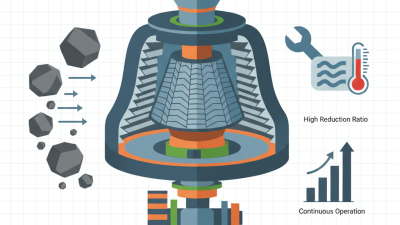
Gyratory crushers are critical in the mining and aggregate industries. Understanding their mechanism is vital for optimizing performance. These machines function using a conical head within a wider bowl. The eccentric movement of the head crushes material, creating a more efficient size reduction process. Studies show that proper maintenance can increase efficiency by up to 30%.
A key factor in optimizing a gyratory crusher is the material feed size. If the feed is too large, it can lead to blockages. This not only reduces productivity but can also cause significant wear on components. Maintaining an optimal feed size is essential. Additionally, the angle of the mantle compared to the bowl has a direct impact on the crushing process. Proper adjustment can improve throughput.
Operators should also consider the crushing chamber design. A well-designed chamber can enhance the velocity of material flow, reducing the risk of buildup. Reports indicate that modifications to chamber designs can result in gains of 15% in output. Regular inspections can help in identifying wear patterns. This allows for timely maintenance and part replacements, ultimately prolonging the life of the equipment.
Gyratory Crusher Performance Optimization
Key Factors Influencing Gyratory Crusher Performance
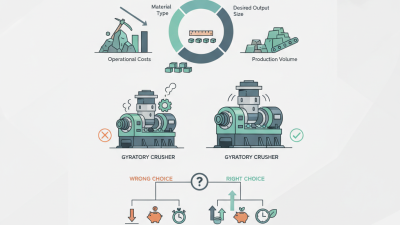
Gyratory crusher performance relies on several key factors. The design of the crusher directly influences its efficiency. A well-designed crusher will improve throughput and reduce energy consumption. However, even the best design can fall short without proper maintenance. Regular inspections and timely repairs are crucial. Operators often overlook small issues, which can escalate into significant problems later.
The material being crushed is another critical factor. Variability in material hardness affects the crusher's productivity. Too hard or too soft material can lead to inefficiencies. Additionally, the feed rate must be controlled. An inconsistent feed can disrupt the crushing process. Operators should focus on creating a balanced feed pattern.
Temperature also plays a role in crusher performance. High temperatures can lead to equipment wear. Using appropriate cooling systems can help mitigate this risk. Training staff to recognize these signs of wear is essential. Properly trained personnel can make a considerable difference. Ignoring these details may lead to costly downtime and repairs. Each of these factors requires careful consideration for optimum performance.
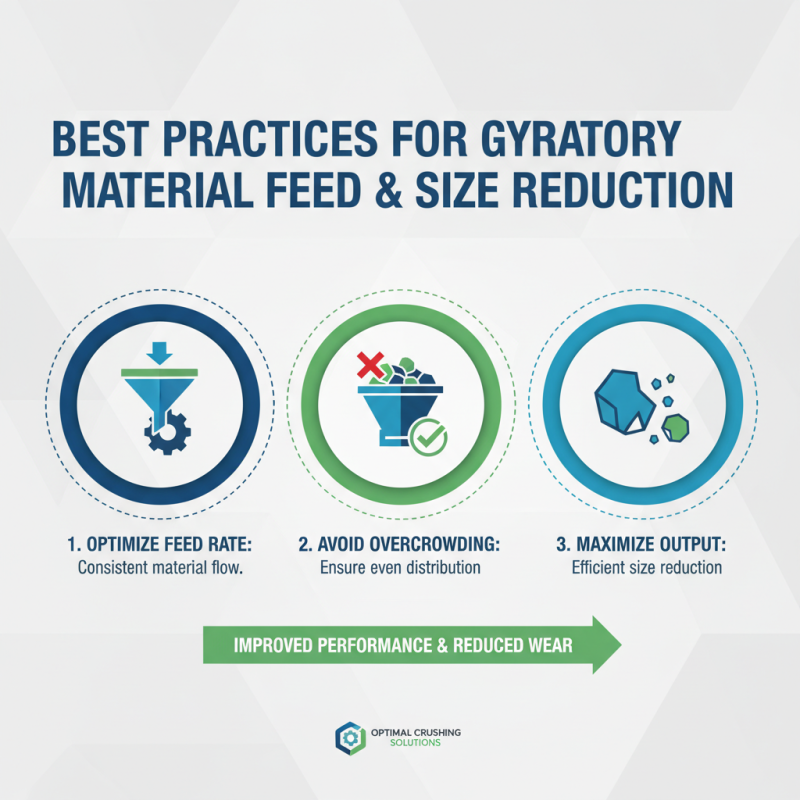
Best Practices for Material Feed and Size Reduction
Optimizing your gyratory crusher's performance requires a keen focus on material feed and size reduction. Proper feeding ensures that the crusher operates efficiently and maximizes output. When loading material, avoid overcrowding the hopper. This can lead to uneven distribution and excessive wear. A consistent feed rate helps maintain a steady workload, reducing the risk of blockages.
Monitoring the size of the incoming material is vital. Ideally, feed material should meet size specifications. Oversized rocks can cause delays and increase stress on the crusher. Implementing a scalping screen before the crusher can eliminate larger chunks. This safeguard ensures only the required sizes enter, enhancing the crushing process.
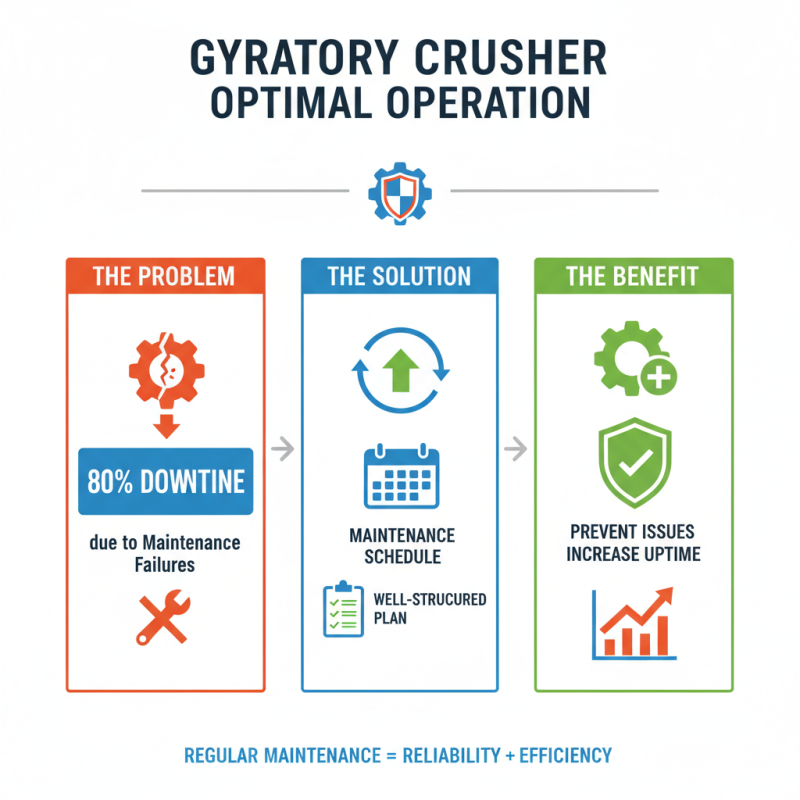
Maintaining your equipment is equally important. Regular inspections can prevent unexpected breakdowns. Wear parts should be replaced promptly to maintain efficiency. Small delays can lead to significant productivity losses. The goal is to create a smooth, continuous flow of material, maximizing both efficiency and output.
Monitoring and Adjusting Crusher Settings for Efficiency
Monitoring and adjusting the settings of your gyratory crusher is crucial for optimal performance. Regularly checking the feed rate, discharge settings, and crusher speed can significantly affect throughput. Balancing these elements helps maintain efficiency and reduces wear on components. Neglecting adjustments might lead to increased downtime or excessive energy consumption.
One important tip is to monitor the feed material's size consistently. If oversized material enters the crusher, it can cause blockages and reduce efficiency. Another key aspect is to regularly inspect the mantle and bowl liner for wear. Replacing worn parts timely can prevent operational issues. You should also evaluate the settings based on production needs. If your output isn't meeting targets, it might be time to tweak these parameters.
It's also vital to keep an eye on the hydraulics and lubrication systems. If these fail or aren’t adjusted properly, it could result in premature wear. Don't hesitate to consult with specialists or operators who have hands-on experience. Their insights can help refine your equipment settings and extend its lifespan. Continuous monitoring and adjusting can make a significant difference in your overall productivity.
10 Essential Tips for Optimizing Your Gyratory Crusher Performance
| Tip Number |
Tip |
Description |
| 1 |
Regular Maintenance |
Perform routine maintenance checks to ensure optimal performance. |
| 2 |
Monitor Wear Parts |
Keep track of wear parts and replace them as needed to maintain efficiency. |
| 3 |
Adjust Settings |
Regularly adjust settings based on material characteristics for optimal output. |
| 4 |
Ensure Proper Lubrication |
Use recommended lubricants to minimize friction and wear on components. |
| 5 |
Use Correct Material Size |
Feed the crusher with properly sized material to avoid blockage and ensure smooth operation. |
| 6 |
Optimize Loading Practices |
Implement effective loading techniques to maximize throughput and reduce wear. |
| 7 |
Monitor Power Draw |
Keep an eye on power usage to identify inefficiencies and adjust settings accordingly. |
| 8 |
Implement Automation |
Utilize automation technologies to optimize process control and improve performance. |
| 9 |
Conduct Regular Training |
Train personnel on best practices to ensure efficient operation of the crusher. |
| 10 |
Review and Analyze Performance Data |
Regularly analyze performance metrics to identify areas for improvement and optimization. |