10 Essential Tips for Choosing the Right Mining Jaw Crusher?
Choosing the right Mining Jaw Crusher is crucial for optimal performance in the extraction and processing of mineral resources. According to a report by Grand View Research, the global mining equipment market is expected to reach $368 billion by 2025, with jaw crushers being pivotal in ore processing efficiency. Industry expert Dr. John Smith emphasizes, “Selecting the right jaw crusher can greatly reduce operational costs and enhance productivity.”
The variety of jaw crushers available can be overwhelming. Each model offers unique features tailored for different mining conditions. For instance, some crushers are designed for hard rock, while others are effective in softer materials. Evaluating these specifications is essential to avoid costly mistakes. A poorly chosen Mining Jaw Crusher can lead to increased downtime and higher maintenance costs.
Understanding the specific requirements of your mining operation is vital. Factors like material hardness, size reduction needs, and throughput capacity should guide your decision. It's not just about purchasing equipment; it's about making a strategic investment. This choice directly impacts the efficiency and profitability of mining projects in today's competitive landscape. An informed decision can mean the difference between success and failure in this demanding industry.
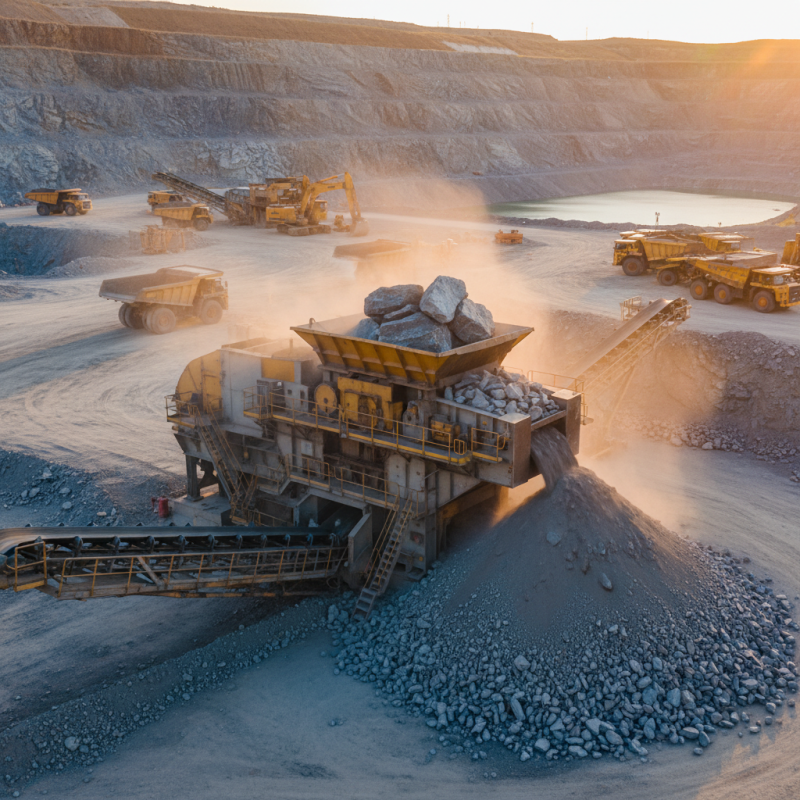
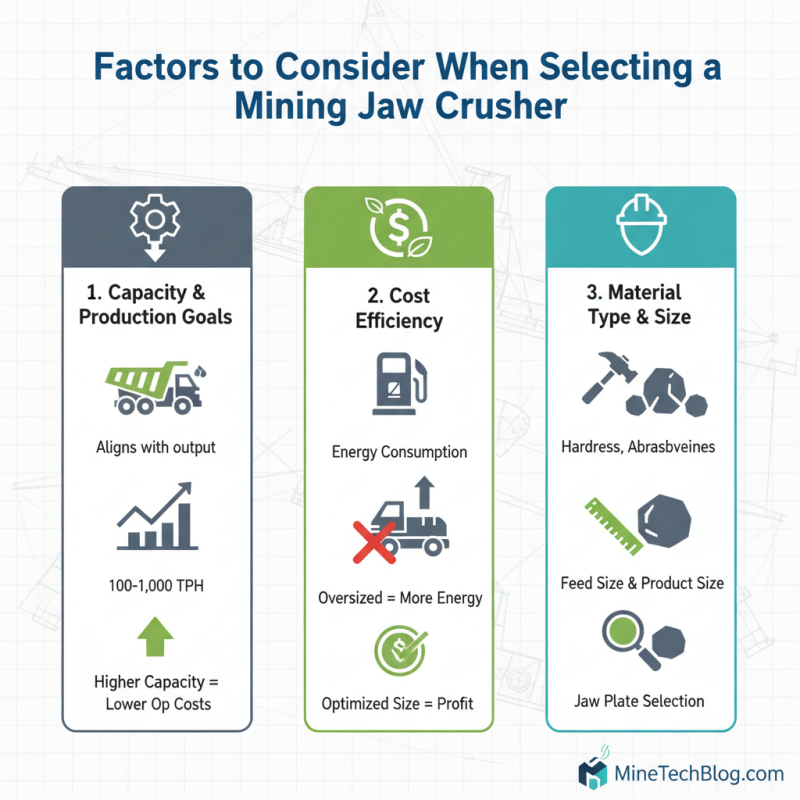
Factors to Consider When Selecting a Mining Jaw Crusher
When selecting a mining jaw crusher, several crucial factors must be considered. The crusher's capacity should align with production goals. Most operations require a crusher capable of processing between 100 to 1,000 tons per hour. A higher capacity means reduced operational costs and efficient resource utilization. However, choosing an oversized crusher may result in increased energy consumption, impacting profitability.
Material characteristics are another important factor. Different materials, such as granite or limestone, have distinct hardness levels. According to industry reports, the hardness can affect the life span of the crusher. A durable machine can operate efficiently for about 3,000 hours before undergoing significant wear. It's essential to assess both the material being crushed and the crusher's design to avoid unexpected failures.
Maintenance requirements should also be a priority. A complex machine may offer high performance but could require frequent, costly repairs. Simple designs tend to be more reliable, but they may lack advanced features. A balance must be struck between simplicity and functionality. Regular maintenance can increase the lifespan of the crusher significantly, sometimes doubling its effective service life. Thus, understanding the trade-offs is essential in choosing the right machine for your specific needs.
Understanding Different Types of Jaw Crushers Available
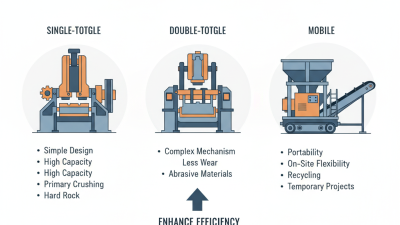
When selecting a mining jaw crusher, understanding the various types available is crucial. Primary jaw crushers serve as the first stage of material processing. They are designed to handle large, hard materials. Choosing a model with a high crushing ratio can significantly enhance efficiency.
Another option is the secondary jaw crusher. This type is used for reducing the size of materials produced from primary crushers. It offers versatile design configurations. Knowing whether your materials are abrasive is vital for selecting the right type. Some jaw crushers are ideal for softer materials, while others excel with hard rocks.
It's also essential to consider the discharge settings. Different jaw crushers come with adjustable settings to control output size. This flexibility can help meet specific project requirements. Additionally, maintenance needs should not be overlooked. Jaw crushers feature various wear parts that require periodic replacement. Understanding these aspects is vital for long-term operational success. Making informed choices can enhance productivity and minimize operational disruptions.
Key Features to Look for in a Mining Jaw Crusher
When selecting a mining jaw crusher, key features can significantly impact efficiency and productivity. One crucial aspect is the crusher's feed opening size. Larger feed openings accommodate bigger rocks, facilitating smoother operations. According to industry data, crushers with a feed opening above 800 mm often yield better results in high-capacity applications.
Another vital consideration is the crushing ratio. A jaw crusher with a ratio of 6:1 or higher can effectively reduce material size. Nevertheless, an overly high ratio may lead to increased wear and tear on components. It’s essential to find a balance. The construction materials and design also play a role in durability. Wear-resistant materials ensure longevity and minimize downtime. Studies show that crushers made from high-carbon steel last 25% longer than standard options.
Maintenance requirements cannot be overlooked. A machine that is easy to service saves both time and money. Frequent maintenance checks often reveal issues before they escalate. Operators should consider crushers with easily accessible components. This reduces labor costs and enhances productivity. Ultimately, careful consideration of these features can lead to better operational outcomes in mining operations.
Evaluating the Performance and Efficiency of Jaw Crushers
When evaluating the performance and efficiency of jaw crushers, several factors come into play. It's crucial to consider the crusher's throughput capacity, which indicates how much material it can process in a given time. A higher throughput often correlates with better efficiency, but this must match your specific operational needs. Look at the size of the feed material. Smaller materials may require different settings to maximize efficiency.
Another key aspect is the power consumption of the jaw crusher. An efficient crusher should consume less energy while delivering optimal performance. Gathering data on the energy costs can provide insights into long-term savings. It's also important to analyze the wear parts. High wear can lead to increased downtime and maintenance costs, affecting overall productivity.
Performance measurements can be complex. It's essential to collect data in real-world conditions. Testing in various scenarios can highlight weaknesses in the equipment. Comparing multiple models based on previous performance feedback can also guide your decision. Remember, the ideal choice may not be the most popular model, but one that complements your operation effectively.