Essential Jaw Crusher Parts You Need to Know?
In the mining and construction industries, understanding jaw crusher parts is crucial. According to a recent report by the Global Business Insights, the jaw crusher market is projected to reach $2.8 billion by 2026. This growth highlights the importance of quality parts in maintaining operational efficiency.
Dr. Jane Smith, a renowned expert in mining machinery, states, "The durability and design of jaw crusher parts significantly impact production rates." This underscores the importance of selecting the right components to ensure reliability and longevity. High-quality jaw crusher parts can prevent costly downtimes.
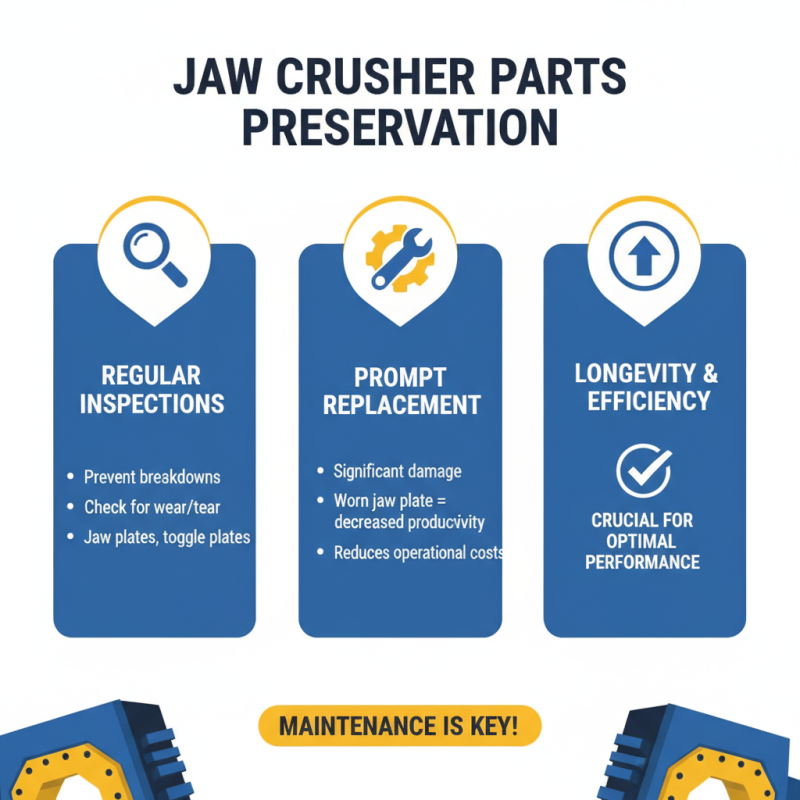
Despite advancements, many operators overlook the maintenance of these essential parts. Issues like wear and tear, or improper installation can lead to production inefficiencies. Regular checks and replacements can mitigate these challenges. Ignoring the need for quality parts can lead to significant setbacks in productivity and profitability.
Understanding the Functionality of Jaw Crusher Parts
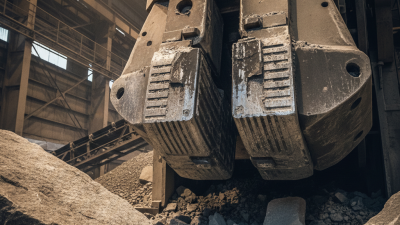
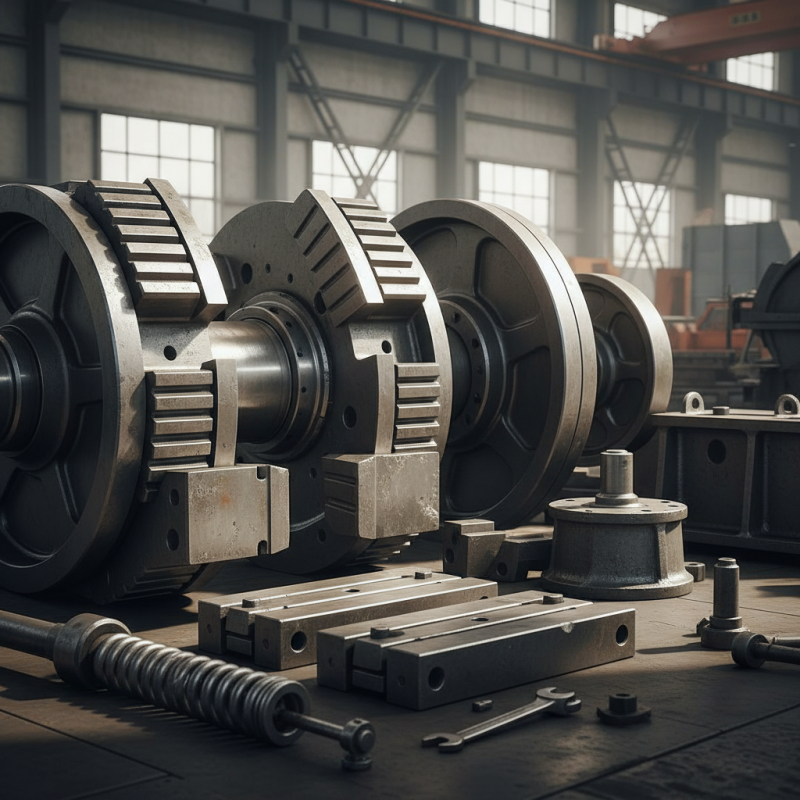
Jaw crushers play a pivotal role in the mining and construction industries. They are designed to break down large rocks into smaller, more manageable sizes. Understanding the functionality of jaw crusher parts is essential for optimal performance and longevity. Key components include the jaw plates, pitman arm, and toggle plates. Each part serves a unique purpose in the crushing process.
The jaw plates, often made from high-quality materials, directly interact with the material. They must withstand significant wear and tear. The pitman arm is responsible for generating the crushing motion. It’s crucial to keep it well-lubricated. Regular inspections can uncover issues before they become major problems.
Tips: Always monitor wear on jaw plates. Ensure they are replaced timely to maintain efficiency. Check the alignment of the toggle plate frequently. Misalignment can lead to uneven wear and reduce the crusher’s lifespan. This attention to detail helps prevent unexpected downtime.
Essential Jaw Crusher Parts You Need to Know
| Part Name |
Function |
Material |
Maintenance Tips |
| Jaw Plate |
Crushing material |
Manganese steel |
Regular inspection for wear |
| Toggle Plate |
Adjusts the discharge opening |
Cast iron |
Check for fractures |
| Pitman Arm |
Transmits motion from toggle to jaw |
Carbon steel |
Lubricate pivot points |
| Frame |
Holds all components together |
Welded steel |
Inspect for damage and corrosion |
| Swing Jaw |
Crushes material against stationary jaw |
High-strength steel |
Monitor wear patterns |
Key Components of a Jaw Crusher Explained
Jaw crushers are essential in the mining and construction industries. Understanding the key components can enhance the efficiency of these machines. The frame is the backbone of the jaw crusher. It supports the equipment and absorbs vibrations during operation. A robust frame ensures stability, but it can be heavy and challenging to transport.
The jaw plate is another critical element. It is where the crushing occurs. Typically, there are two jaw plates: a fixed one and a movable one. These plates are worn down over time. Regular inspection is necessary to prevent unplanned downtime. It’s important to note that the materials used for these plates can influence their lifespan.
The eccentric shaft drives the movement of the jaw crusher. It converts rotary motion into the linear motion of the jaw plates. If the shaft is misplaced or damaged, performance will decline. Maintenance is often overlooked, leading to serious issues. Regular checks can prevent costly repairs. Understanding these components is crucial for anyone operating or maintaining a jaw crusher.
The Role of Jaw Plates in Crushing Efficiency
Jaw plates are crucial components of a jaw crusher. They directly impact the crushing efficiency. These plates work by compressing the material between them. The design and material of jaw plates significantly affect how well a crusher performs.
In terms of efficiency, worn-out or damaged jaw plates can lead to decreased output. This can happen when the plates no longer fit together properly. The material being crushed may not break down as effectively. Operators must regularly check the condition of jaw plates. It’s essential to replace them timely to maintain crushing performance.
Additionally, the hardness of jaw plates matters. Choosing the right material can enhance lifespan and efficiency. However, harder materials can sometimes lead to more wear on other parts. This creates a balance that needs to be managed. Understanding these nuances is vital for optimal performance in crushing operations.
Jaw Plates Impact on Crushing Efficiency
Importance of the Toggle Plate in Jaw Crushers
The toggle plate is a crucial component in jaw crushers. It is often overlooked, yet its role is significant. This part enables the adjustment of the crusher's mouth. It also absorbs shock and provides a stable positioning. A well-maintained toggle plate can enhance the lifespan of the crusher. It contributes to a more efficient crushing process.
Statistical data suggests that improper installation or neglect of the toggle plate can lead to a 30% decrease in efficiency. The cost of downtime during repairs can be substantial. Regular inspections are essential. Pay attention to signs of wear or crack formation. These can indicate a need for replacement.
Tips: Always ensure the toggle plate is properly aligned. Misalignment can cause uneven wear. Also, lubricate moving parts regularly to avoid unnecessary friction. This simple maintenance step is often ignored but is vital for optimal functionality. Keep in mind that timely checks can prevent major breakdowns in the long run. Stay proactive in your maintenance approach.