What Are the Different Types of Jaw Crushers for Your Needs?
In the construction and mining industries, understanding the various types of jaw crushers is essential. According to a recent report by the Global Mining Equipment Market, the demand for jaw crushers will grow significantly over the next five years. This growth emphasizes the importance of selecting the right "Type Of Jaw Crusher" for specific applications.
Industry expert Dr. John Smith, renowned for his research on crushing technologies, emphasizes, “Choosing the right type of jaw crusher can greatly impact operational efficiency.” His insights highlight a crucial factor in the decision-making process. Different jaw crushers, such as single-toggle and double-toggle types, serve unique purposes and materials. The choice can affect everything from feed size to output product shape.
Despite advancements, choosing the right type can be complicated. Consideration of factors like crushing force and material hardness is vital. Balancing these variables could lead to suboptimal performance if overlooked. A closer look at jaw crusher types provides clarity. With precision, industries can avoid pitfalls and ensure their operations run smoothly.
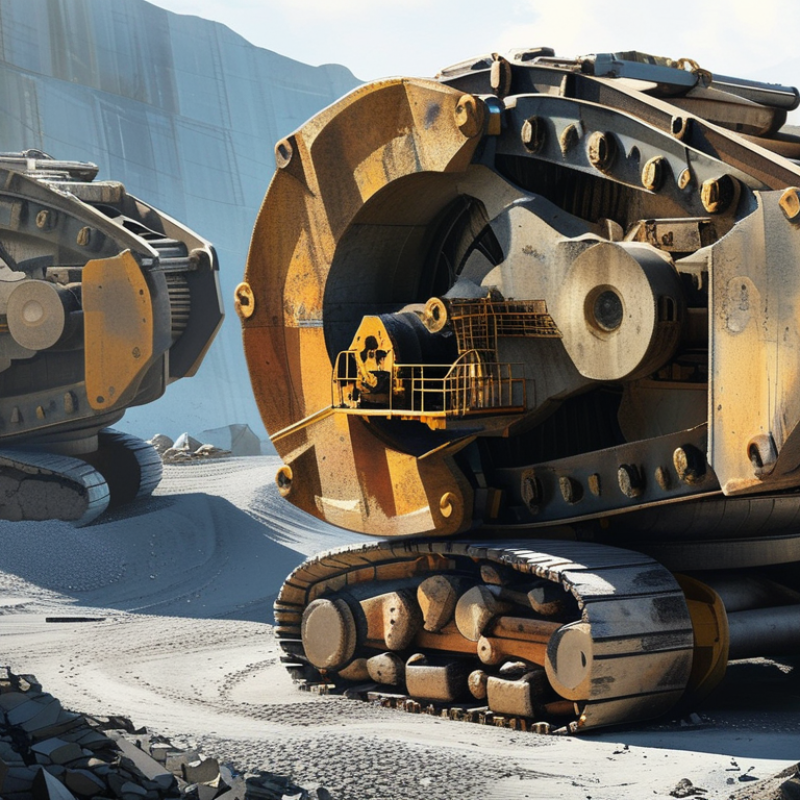
Different Types of Jaw Crushers Explained
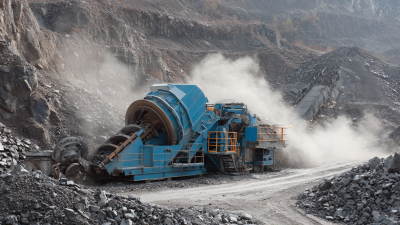
When considering jaw crushers, understanding the various types is essential for maximizing efficiency. Each type serves a specific purpose and comes with unique features. The most common types include the single-toggle jaw crusher and the double-toggle jaw crusher.
Single-toggle models are often more compact. They utilize a simpler design, making them easier to maintain. However, they may not handle larger materials as effectively, which could impact efficiency.
On the other hand, double-toggle jaw crushers offer greater crushing force. They are better suited for tough materials. Their more complex mechanism allows for improved crushing at deeper levels. Be mindful, though, that this complexity can lead to higher maintenance demands.
Tips: Always assess the materials you'll be working with. Consider the crushing capacity needed for your projects. Selecting the right jaw crusher can significantly improve your production line's overall performance.
It's also important to reflect on operational costs. Investing in equipment with higher upfront costs may save money in the long run through improved efficiency. Evaluate your long-term goals to make the best choice for your needs.
What Are the Different Types of Jaw Crushers for Your Needs?
| Type of Jaw Crusher |
Feed Size (mm) |
Output Size (mm) |
Capacity (t/h) |
Applications |
| Single Toggle Jaw Crusher |
150-500 |
10-90 |
20-120 |
Primary crushing in mining, quarrying, and recycling |
| Double Toggle Jaw Crusher |
200-800 |
15-100 |
30-150 |
Preferred in heavy-duty applications, with better crushing efficiency |
| Jaw Crusher with Hydraulic Adjustment |
300-600 |
20-110 |
50-200 |
Adaptable for various materials with adjustable settings |
| Mini Jaw Crusher |
50-150 |
5-50 |
1-10 |
Small scale operations and laboratory use |
Factors to Consider When Choosing a Jaw Crusher
When selecting a jaw crusher, several factors come into play. Understanding your specific needs is crucial. One key aspect is the material you will process. Harder materials require robust designs and materials. Softer materials might not need such heavy-duty construction. It's also essential to consider the size of the feed material. A jaw crusher that accommodates larger feeds may be necessary for some applications.
Another important factor is the desired output size. Different jaw crushers can produce various particle sizes. It's vital to determine what size you need for your operation. Additionally, the crushing capacity matters. High throughput may be necessary for large-scale operations, while smaller settings might prioritize energy efficiency.
Maintenance requirements can vary widely among jaw crushers. Some models are easier to work on than others. Consider the availability of spare parts and technical support. An optimal choice balances performance with ease of maintenance. Reflecting on your specific goals can guide you toward the most appropriate option.
Comparative Analysis of Primary, Secondary, and Tertiary Jaw Crushers
Jaw crushers play a critical role in the mining and construction industries. Understanding the types—primary, secondary, and tertiary—is essential for making informed choices. These crushers vary significantly in design and function.
Primary jaw crushers are commonly used for the initial stage of crushing hard materials. They can handle large rocks effectively. However, they may not be ideal for finer materials and require regular maintenance due to wear and tear. Secondary jaw crushers, on the other hand, are designed to handle smaller pieces of material. They often process the output from primary crushers, offering better control over size and grade. Tertiary jaw crushers further refine materials, making them suitable for precise applications like fine aggregates.
Tips: Ensure you match the jaw crusher type to your material's hardness. This coherence boosts efficiency. Regular checks and balances are vital to maintain performance. Watch for signs of wear that may require adjustment or replacement.
Choosing the right type can be challenging. Factors like material type, desired output size, and operational throughput should be considered. Misalignment in these factors may lead to inefficiency and increased costs. Engaging with experts can provide clarity and help mitigate potential pitfalls. Make informed decisions to optimize your production process.
Comparative Analysis of Different Types of Jaw Crushers
Applications and Industries Utilizing Jaw Crushers
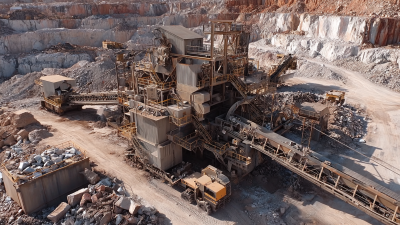
Jaw crushers are vital in various industries. Their robust design allows them to crush hard materials like granite, limestone, and concrete. These machines are widely used in construction, mining, and recycling sectors. In construction, jaw crushers break down large rocks into manageable pieces. This process enhances site safety and prepares materials for further processing.
In the mining industry, efficiency is crucial. Jaw crushers play a key role in extracting valuable minerals. They reduce ore size, making it easier to handle. Recycling operations also benefit from jaw crushers. They help recover and repurpose materials, contributing to environmental sustainability. Despite their effectiveness, operators face challenges in maintenance and proper settings. Regular checks are necessary to ensure optimal performance and minimize downtime.
The choice of jaw crusher impacts usage in these industries. Understanding the specific needs can guide effective selection. Whether for large-scale mining or small construction projects, the right crusher can enhance productivity. Attention to detail in the selection process ultimately leads to better outcomes.
Maintenance Tips for Different Types of Jaw Crushers
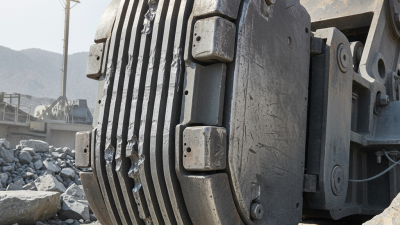
Maintaining jaw crushers requires specific knowledge. Regular inspections are crucial. Check for wear in the jaw plates regularly. If they are worn down, replace them to ensure efficiency. A well-maintained jaw crusher runs smoother and has a longer lifespan.
Lubrication is another key factor. Ensure you use the correct type of lubricant. Insufficient lubrication can lead to greater wear and frequent breakdowns. Monitor lubrication levels often, especially in heavy-use situations. Pay attention to unusual noises, as these can indicate mechanical problems.
Cleaning the machine is essential for optimal performance. Dust and debris can affect its operation. A clean environment reduces potential blockages and increases efficiency. Neglecting cleanliness can lead to costly repairs and downtime. Regular maintenance ensures that all components function as they should.