What is Cone Crusher Wear Parts and Why They Matter for Mining
In the world of mining and aggregate production, the efficiency and longevity of machinery play a crucial role in operational success. One such important machinery component is the cone crusher, specifically its wear parts. Cone Crusher Wear Parts are essential components that undergo significant stress and wear during crushing operations, thereby directly impacting the performance and productivity of the equipment. Understanding the different types of wear parts, their functions, and the factors that influence their wear can provide valuable insights for mine operators and maintenance teams.
In this guide, we will delve into the intricacies of Cone Crusher Wear Parts, exploring why they matter not just for the functionality of the equipment but also for the overall cost-effectiveness of mining operations. From materials used in manufacturing these parts to maintenance practices that prolong their life, we aim to equip you with the knowledge necessary to make informed decisions. By grasping the importance of these components, professionals in the mining industry can enhance equipment reliability, minimize downtime, and ultimately improve their bottom line.
Understanding Cone Crusher Wear Parts: Key Components and Their Functions
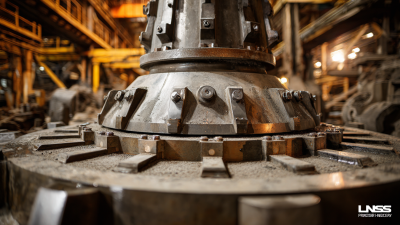
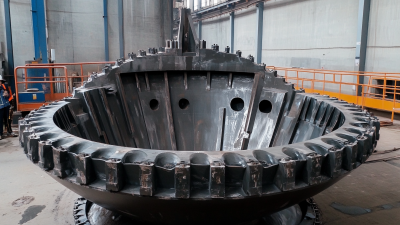
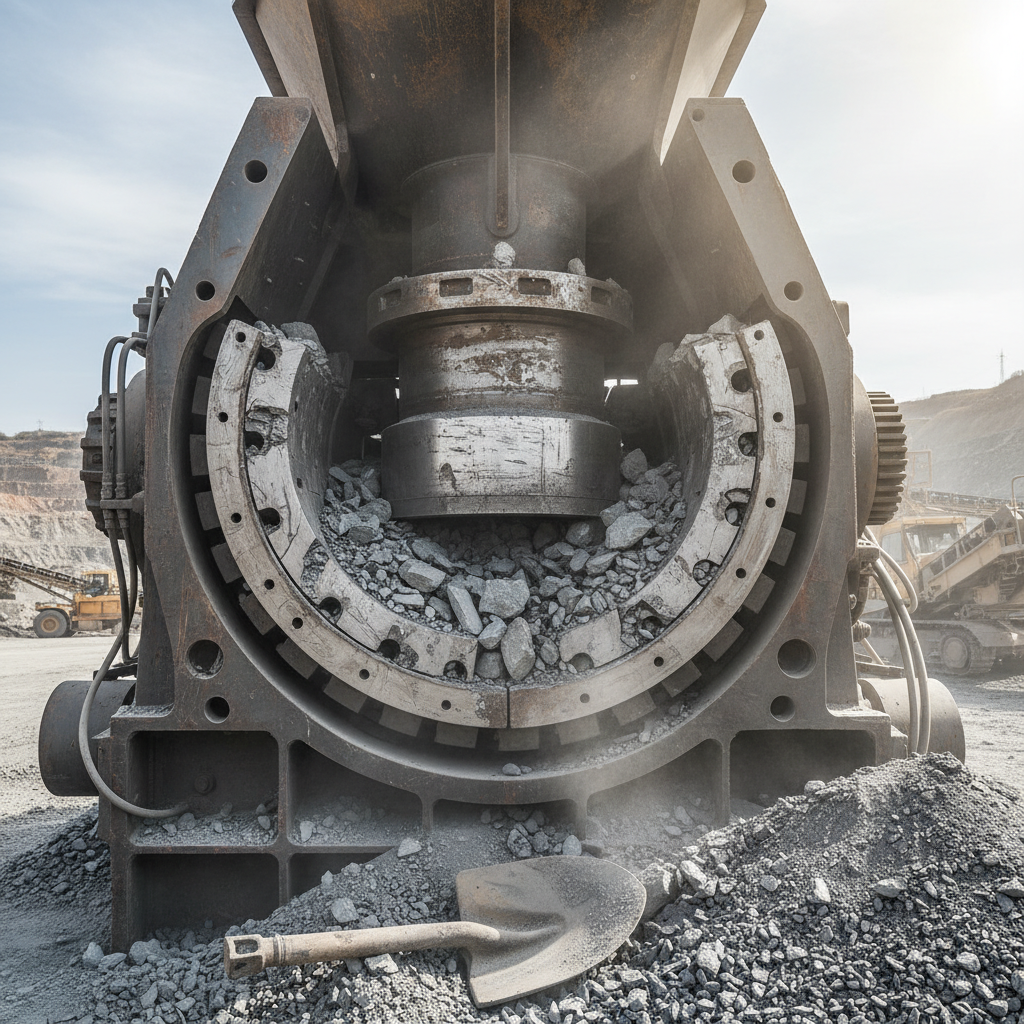
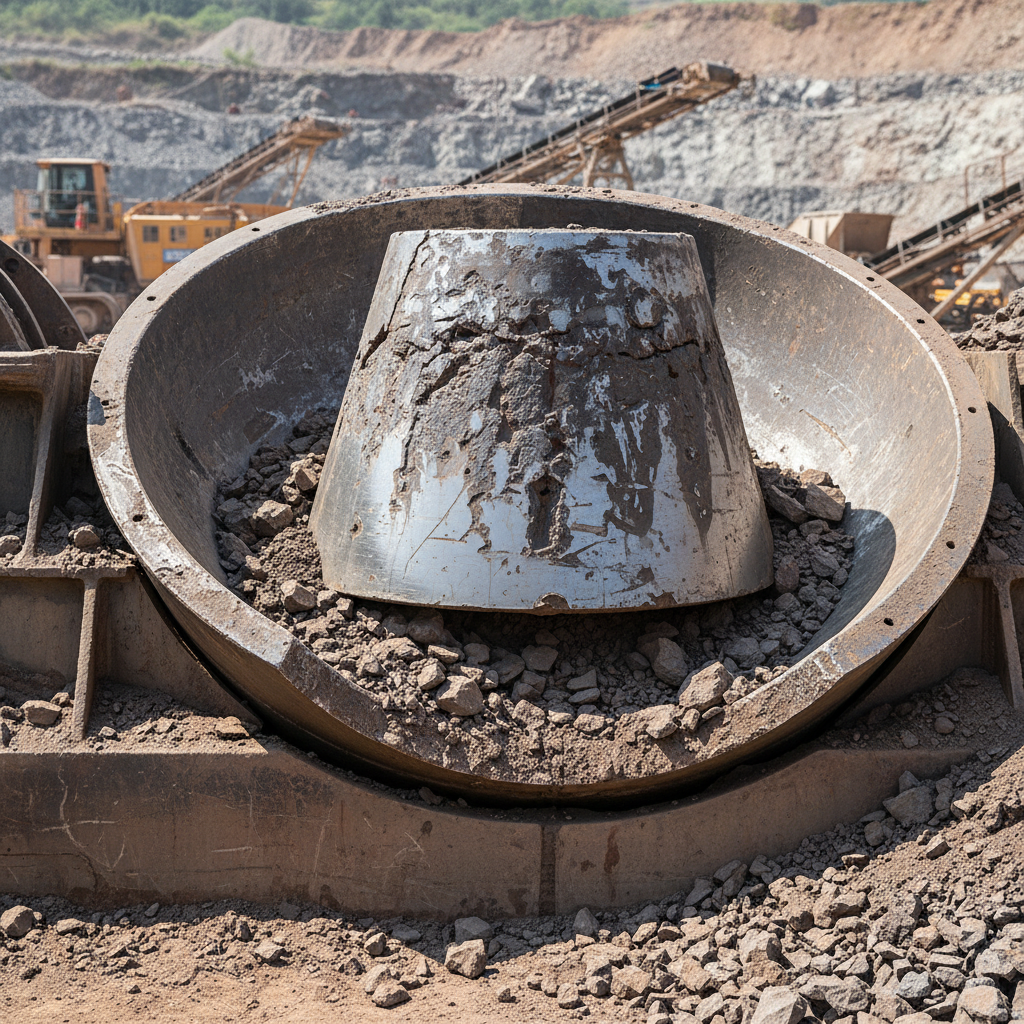
Cone crusher wear parts are essential components that significantly influence the crusher's performance and longevity in mining operations. The main wear parts include the mantle, bowl liner, and the cone's interior surfaces. The mantle is the moving part of the machine that exerts pressure on the material, while the bowl liner is fixed and supports the shape and form of the crushed product. Together, these components crush the rocks, and their condition directly affects the efficiency of the crushing process.
Additionally, the quality and composition of the wear materials matter greatly. High-quality wear parts are manufactured from durable alloys designed to withstand the extreme conditions of crushing operations. Regular monitoring and timely replacement of these parts are crucial because worn components can lead to reduced crushing efficiency, increased energy consumption, and ultimately, costly downtime. Understanding the functions and maintenance needs of cone crusher wear parts is vital for optimizing operational performance and ensuring a successful mining operation.
The Importance of Wear Parts in Mining Operations: Impact on Efficiency and Cost
In the mining industry, the efficiency of operations is heavily reliant on the performance of machinery, particularly cone crushers.
Wear parts, such as liners, mantles, and shovels, play a crucial role in maintaining the crushing equipment’s efficiency.
Over time, these parts succumb to wear and tear due to the constant impact and friction from the materials being processed.
Neglecting to keep these components in optimal condition can lead to reduced throughput, increased energy consumption, and ultimately, higher operational costs.
The costs associated with downtime and equipment failure can be staggering in mining operations.
Regularly replacing and maintaining wear parts not only ensures the continuous productivity of cone crushers but also minimizes the risk of unexpected failures.
Moreover, using high-quality wear parts can enhance the lifespan of the machinery, leading to better overall efficiency and reduced costs in the long run.
Thus, investing in reliable wear parts is essential for maximizing the operational capacity of mining equipment and achieving cost-effective mining practices.
Common Types of Cone Crusher Wear Parts: What You Should Know
In the mining industry, understanding the common types of cone crusher wear parts is crucial for optimizing equipment performance and reducing operational costs. Cone crushers rely on various wear parts, including mantle, bowl liner, and concave, which all play significant roles in the crushing process.
According to industry reports, these components are subject to wear and tear due to the high-impact nature of their operation, which can lead to increased downtime if not managed effectively.
Selecting the right configuration for wear parts can greatly affect the efficiency of the crushing operation. A customized design based on the specific materials being crushed can lead to improved throughput and reduced expenses. Insights from experts indicate that using high-quality materials for these wear parts can extend their life span by up to 30%, thus decreasing the frequency of replacements. Moreover, regular monitoring and analysis of wear patterns can help in making informed decisions about part configurations, ultimately leading to more consistent output and better resource management in mining operations.
Signs of Wear: How to Identify When to Replace Your Wear Parts
Cone crushers are essential in the mining industry for processing materials, and their wear parts are crucial for ensuring efficient operation. Recognizing when these parts show signs of wear is vital to maintaining productivity and avoiding unexpected breakdowns. Common indicators include visible cracks, reduced output quality, and increased noise levels during operation. Operators should regularly inspect wear parts to prevent minor issues from escalating into significant problems.
**Tips for Identification**: Regularly monitor the output size and shape of the crushed material. If you notice inconsistent product specifications, it may be a sign that the wear parts are beginning to fail. Additionally, check for unusual vibrations or sounds, as they can indicate misalignment or excessive wear. Schedule routine maintenance and inspections as part of your operational protocol to catch wear early and optimize performance.
When wear parts are at their limit, replacement becomes imperative. Ignoring the signs of wear can lead to poorer efficiency and potentially costly downtime in mining operations. By implementing a proactive maintenance strategy and understanding the signs of wear, operators can ensure that their cone crushers remain in peak condition, contributing to smoother mining operations.
Best Practices for Maintaining Cone Crusher Wear Parts for Longevity and Performance
Ensuring the longevity and optimal performance of cone crusher wear parts is crucial for the mining industry. Regular inspection and maintenance are fundamental practices that help identify wear and tear before they lead to more significant issues. Operators should schedule routine checks to assess the condition of key components such as manganese liners and mantle. By monitoring these parts, they can replace them proactively, minimizing downtime and maximizing throughput.
Another best practice is to maintain proper lubrication and cooling for the wear parts. Adequate lubrication not only reduces friction but also helps in preventing overheating, which can lead to premature failure. Utilizing the manufacturer's recommended lubricant types and intervals is essential. Additionally, keeping the surrounding area clear of debris and ensuring that the feed material is consistent can prevent unnecessary stress on the wear components, thus enhancing their lifespan and performance in mining operations.