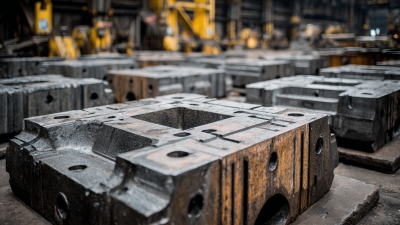
Choosing the right Swing Jaw Crusher Plate affects output, energy use, safety, and replacement intervals. It is not merely a spare-part decision. Feed size, rock abrasiveness, moisture, crusher settings, and production targets all matter.
The U.S. Geological Survey reported approximately 1.5 billion metric tons of crushed stone production in the United States during 2023. That volume shows why small wear-rate differences can create major operating costs. The U.S. Department of Energy’s Mining Industry Energy Bandwidth Study also identifies comminution as a significant energy consumer. A poorly matched plate can increase recirculation, power demand, and unplanned downtime. The numbers are persuasive. They are not complete.
Dr. Tim Napier-Munn, a recognized comminution specialist, stated, “Comminution is the largest consumer of energy in mineral processing.” His observation supports a practical approach to Swing Jaw Crusher Plate selection. Compare the plate profile with the feed gradation and closed-side setting. Check whether the material contains hard quartz, recycled steel, or wet clay. High-manganese steel may suit heavy impact, while alloyed options can perform better under severe abrasion. The answer depends on the application.
A useful inspection includes tooth wear, plate thickness, discharge shape, and actual tonnes processed. Photographs help. So do production records. Catalog specifications alone can mislead. Even experienced teams sometimes choose a thicker plate when a better profile would solve the problem. That mistake is easy to overlook. Selection should therefore combine manufacturer data, site experience, and measured wear performance. Recheck the decision after the first replacement cycle.

Choosing a swing jaw crusher plate starts with the crushing duty, not the plate profile. Record the largest feed size, typical feed size, and closed-side setting (CSS). Feed size defines the stress entering the chamber. CSS influences the final product and circulating load. A practical reduction ratio usually falls between 3:1 and 6:1, calculated from feed size to product size. For example, 600 mm feed with a 100 mm product target represents a 6:1 ratio.
Keep the calculation realistic. A 6:1 ratio may require suitable rock hardness, stable feeding, and enough power. Wet clay, flaky material, or uneven loading can reduce actual performance. The calculation is useful, but not perfect.
Measure twice. Check the feed with a tape or calibrated screen, rather than trusting a rough estimate.
Then inspect the worn plate: a deep lower groove, cracked teeth, or uneven wear can reveal an unsuitable profile or poor feed distribution.
Plate selection should match both duty and wear behavior. Hard, abrasive stone may need a wear-resistant surface, while highly compressive feed demands strong support behind the teeth. Do not choose the most aggressive profile automatically. It can increase peak loads when the CSS is tight.
Record hourly output, product gradation, power draw, and plate life after installation. If the target ratio is met but plate life falls sharply, the duty definition needs another review.
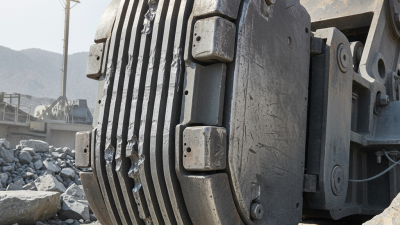
Choosing the right swing jaw crusher plate starts with the material, not the machine’s rated capacity. Rock hardness, moisture, feed size, and abrasiveness all affect plate performance. A standard profile suits common quarry stone and mixed feed with moderate wear. Its balanced shape supports steady crushing and predictable replacement intervals.
Corrugated plates create more gripping edges along the crushing chamber. They can improve material control when feed is flaky, rounded, or difficult to hold. I have found them useful when the feed slides instead of breaking. However, deeper corrugation can increase resistance and power demand. Check the product shape before selecting this profile.
Heavy-duty teeth are designed for large, tough, and highly abrasive feed. Their raised tooth pattern concentrates force at smaller contact points. This can help initiate fractures in hard rock and reduce excessive slippage. Yet stronger teeth are not automatically better. In softer material, they may cause uneven wear, unnecessary fines, or higher operating costs. That detail is easy to miss.
Measure the feed regularly. A plate selected from old assumptions may perform poorly after the quarry changes. Inspect the fixed and swing plates together, because uneven wear can change the crushing angle. Record tooth condition, discharge size, and hourly production. These simple notes often reveal more than a catalog chart. I once treated plate life as the main target. It was not. Stable output mattered more.
How to Choose the Right Swing Jaw Crusher Plate?
Select 11–14% Manganese Steel for General Jaw Crushing Applications
When choosing a swing jaw crusher plate, examine the feed material, size, moisture, and operating rhythm. For general jaw crushing applications, 11–14% manganese steel is a dependable starting point. Its surface hardens under repeated impact, while the inner structure retains useful toughness. This balance helps manage common stone, concrete, and recycled aggregate duties.
The steel grade alone does not decide service life. Proper heat treatment, plate profile, fastening, and crusher settings also matter. During a site inspection, I once found uneven wear near the lower edge. The plate was suitable, but the closed-side setting was too tight. Small adjustments improved the contact pattern and reduced unnecessary stress.
Watch the wear profile after several shifts. A smooth, even surface usually indicates stable crushing conditions. Deep grooves, cracked corners, or loose bolts require immediate attention. High-abrasion material with limited impact may need a different alloy choice. That is where 11–14% manganese steel can become less predictable. I would not select it by percentage alone.
Check the actual feed before ordering. Oversized rocks can create sharp impact loads. Wet, sticky material can block the chamber and distort wear. Keep records of operating hours, plate weight, and replacement thickness. Imperfect records often lead to confident but inaccurate decisions. A short trial may reveal more than a polished specification sheet.
Select 11–14% manganese steel for general jaw crushing applications. The chart compares typical nominal manganese-content ranges used for different crushing conditions.
Standard Hadfield manganese steel, commonly specified at approximately 11–14% manganese, provides a practical balance of toughness and work-hardening capability for general jaw crushing. Higher-manganese grades may be considered for specialized high-impact service, subject to equipment and material recommendations.
How to Choose the Right Swing Jaw Crusher Plate?
A swing jaw crusher plate must fit the chamber, not merely match the machine’s name. Check its length, width, thickness, curvature, and tooth profile against the approved drawing. Measure the bolt-hole diameter and center-to-center spacing carefully. A small mismatch can create movement, uneven wear, or dangerous stress around the fasteners.
The bolt pattern deserves close attention. Confirm hole position, countersink depth, washer clearance, and bolt head seating. Inspect the mounting surface for cracks, packed material, or distortion before installation. The crusher’s nip angle also matters. Many crushing chambers operate between 18 and 23 degrees, but the correct value depends on the chamber design and feed material. A suitable angle helps the jaw grip rock instead of allowing it to slip. Do not assume that a plate with the same dimensions will preserve this angle.
Tips: Compare the new plate with the old one on a clean floor. Use a straightedge and caliper. Record every measurement. Tighten bolts according to the service manual, then recheck them after the initial operating period. I have seen good plates fail because one hole was forced into alignment. That shortcut seemed minor, but it changed the seating pattern. Also inspect wear after several shifts. The first estimate may be wrong.
| Selection Dimension | What to Verify | Typical Reference or Requirement | Why It Matters | Recommended Action |
|---|---|---|---|---|
| Crusher Model and Frame | Confirm the exact crusher model, frame size, jaw opening, and production series. | Use the machine identification plate and the equipment drawing rather than appearance alone. | Jaw plates with similar outlines may have different mounting dimensions or seating angles. | Record the model, serial number, and existing plate dimensions before ordering. |
| Swing Jaw Plate Fit | Check overall length, width, thickness, profile, curvature, and contact with the swing jaw backing surface. | The plate should sit flush on all designed support areas without rocking, daylight gaps, or forced alignment. | Poor seating can create impact concentrations, loosening, cracking, and uneven wear. | Compare a dimensioned drawing with the removed plate and inspect the backing surface for distortion. |
| Bolt Pattern | Verify the number, spacing, diameter, centerline, head recess, and orientation of all bolt holes. | Hole locations must match the crusher drawing exactly; do not rely only on nominal plate length. | A mismatched bolt pattern can prevent full contact and may overload bolts or the jaw frame. | Measure center-to-center distances and confirm whether holes are countersunk, counterbored, or plain. |
| Bolt and Nut Clearance | Check thread size, bolt length, washer arrangement, nut clearance, and access for tightening. | Fasteners must be fully engaged without protruding into the crushing chamber or interfering with the frame. | Incorrect fastener geometry may cause thread damage, plate movement, or interference with the fixed jaw. | Use the specified fastener grade and tightening procedure supplied for the crusher. |
| Nip Angle | Confirm the angle between the fixed and swing jaw faces throughout the working chamber. | A practical jaw-crusher reference range is approximately 18–23°, subject to the crusher design. | The nip angle affects material gripping, choking risk, capacity, and the tendency for feed to bounce out. | Do not alter the plate profile or mounting position in a way that increases the designed nip angle. |
| Tooth or Corrugation Profile | Compare tooth height, pitch, direction, and profile with the mating jaw plate and feed material. | The two jaw profiles should work together without sharp interference or excessive open gaps. | Profile mismatch can reduce grip, increase fines, and produce localized wear. | Select a profile intended for the target feed size and material characteristics. |
| Material and Hardness | Match the plate material to abrasiveness, compressive strength, impact level, and moisture of the feed. | Common jaw-plate materials include manganese steel and alloyed steels; actual hardness depends on grade and work-hardening behavior. | A plate that is too brittle may crack under impact, while one that is too soft may wear quickly. | Review the material certificate and hardness range; avoid selecting by hardness alone. |
| Feed Size and Chamber Opening | Check maximum feed size, feed gradation, jaw opening, and required closed-side setting. | The largest feed should remain within the crusher’s rated opening and operating instructions. | Oversized or poorly distributed feed increases impact loading and accelerates plate wear. | Use a properly scalped and evenly distributed feed to protect the swing jaw plate. |
| Wear Pattern | Inspect wear depth from the top, middle, and bottom sections of the plate. | Replace or rotate the plate when the working profile no longer grips effectively or when the manufacturer’s wear limit is reached. | Uneven wear changes the chamber geometry and may affect the nip angle and product shape. | Measure wear at several points and investigate excessive top, bottom, or one-sided wear. |
| Installation and Final Check | Verify seating, bolt tightening, plate clearance, jaw alignment, and free movement before operation. | The chamber should be clear of tools, loose hardware, and contact points outside the intended crushing surfaces. | A final inspection reduces the risk of plate movement, frame damage, and unplanned downtime. | Run the crusher empty after installation, listen for abnormal impact, and recheck fasteners according to the service procedure. |
Note: Dimensions, bolt specifications, wear limits, and tightening values must be confirmed against the specific crusher’s service documentation.
Choosing a swing jaw crusher plate begins with wear data, not appearance. During routine inspections, measure plate thickness at fixed points. Use a calibrated caliper and record each reading. Check the tooth profile, working surface, and edges for uneven wear. Compare these measurements with the original dimensions. Looks can deceive. A plate may appear usable while its crushing geometry has already changed.
Follow the manufacturer’s stated replacement limit. This limit may define minimum thickness, tooth height, or a specific wear profile. Replace the plate when any relevant limit is reached. Do not wait for cracks, loose sections, or severe deformation. Excessive wear can change the nip angle, reduce throughput, and increase mechanical loading. Before inspection, isolate the crusher and follow site lockout procedures. Only trained personnel should enter the crushing chamber.
Plate selection should match the crusher model, feed size, and material abrasiveness. Hard, silica-rich rock can remove working material quickly. Softer feed may create a different wear pattern. Confirm the plate dimensions, mounting holes, seating surfaces, and fastener condition before installation. I have seen operators choose a thicker plate for longer life, but that choice can reduce clearance or raise power demand. It is not always better. After replacement, inspect the seating area and measure wear again after the first shift. Keep clear records; they often reveal a gradual problem before production losses become obvious.