How to Choose the Right Gyratory Crusher for Your Project?
Choosing the right Gyratory Crusher for your project is crucial. This decision can directly impact productivity and efficiency. Industry expert John Smith emphasizes, "A well-chosen Gyratory Crusher is key to optimizing your crushing operations."
The Gyratory Crusher stands out for its effectiveness in handling large volumes of material. However, not all Gyratory Crushers are created equal. Factors like size, capacity, and materials play a significant role. Understanding these elements is essential to avoid costly mistakes.
Engineers must carefully assess their project needs. This requires a keen eye for detail. For instance, consider the ore type and desired output size. Insufficient analysis can lead to underperformance. A thorough evaluation will yield better results. In the end, the right Gyratory Crusher can enhance your project's success.
Understanding the Basics of Gyratory Crushers and Their Functionality
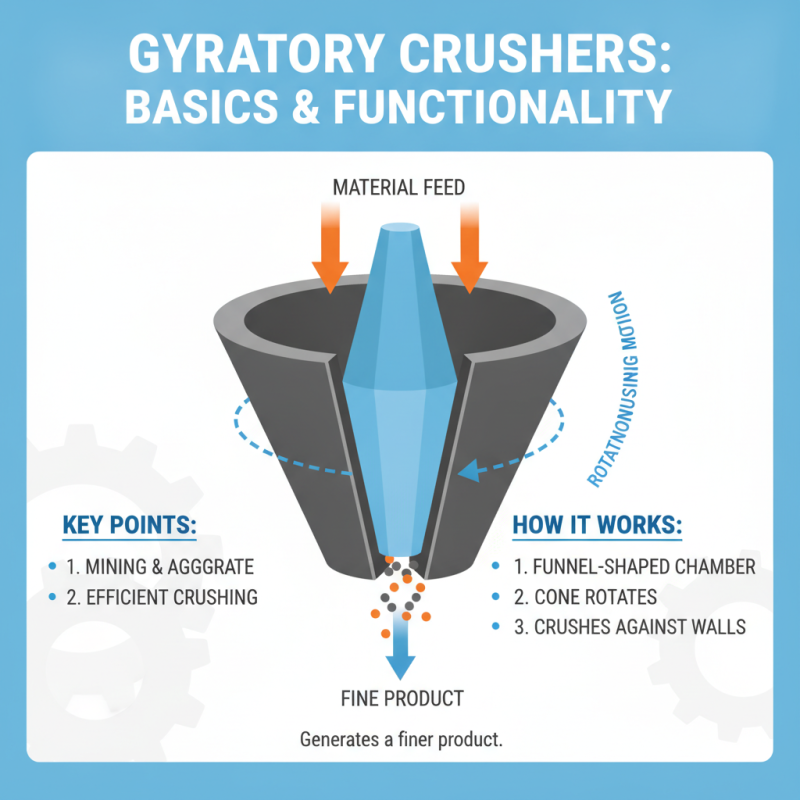
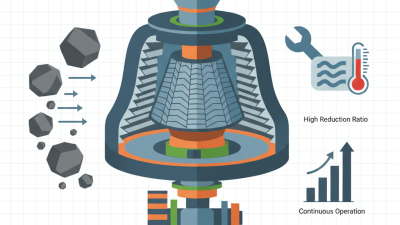
Gyratory crushers play a critical role in mining and aggregate production. Understanding their functionality is key. A gyratory crusher consists of a funnel-shaped upper chamber and a cone. Materials are fed into the top, where the crushing action begins. The cone rotates, crushing material against the chamber walls. This process generates a fine product more efficiently than other crushers.
According to the International Journal of Mining and Mineral Engineering, gyratory crushers can yield a reduction ratio of 3:1 to 6:1. This efficiency is crucial for projects requiring high throughput. However, not all projects will benefit from a gyratory's design. For example, operations with lower volumes might find jaw crushers more suitable due to their simpler mechanics.
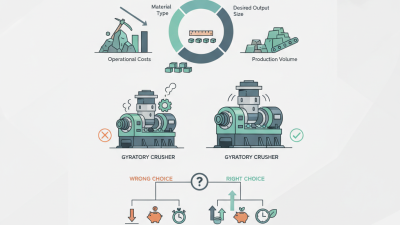
Choosing the right crusher involves considering several factors, such as the material type, desired output size, and production volume. Weight and power requirements must also match site conditions. Studies show that the right selection can reduce costs by up to 20%. Still, it is essential to reflect on operational needs continuously. Some projects may outgrow their initial decisions, requiring a reassessment of equipment choices.
Assessing Project Requirements for Optimal Gyratory Crusher Selection
Choosing the right gyratory crusher starts with understanding your project's specific requirements. Key factors include material type, size, and volume. For instance, hard rock mining typically demands robust machines able to crush dense materials. Studies suggest that more than 60% of project failures stem from selecting improper equipment.
Assess the desired output size. Gyratory crushers vary in performance based on the size of the feed material. A larger feed may require more power. Industry reports indicate that a mismatch in capacity can lead to a 20% increase in operational costs. Your decision should also consider the environmental impact. Minimizing dust and noise is increasingly vital in today's projects.
In addition, take the facility layout into account. Space constraints can affect installation and maintenance. A poorly positioned crusher can lead to inefficiencies. An analysis by industry experts shows that logistical issues can slow down production by up to 15%. It’s important to reflect on all these elements before making a choice. The right gyratory crusher can significantly enhance project efficiency.
Gyratory Crusher Selection Criteria
This chart displays the key factors influencing the choice of gyratory crusher based on project requirements.
Key Features to Consider When Choosing a Gyratory Crusher
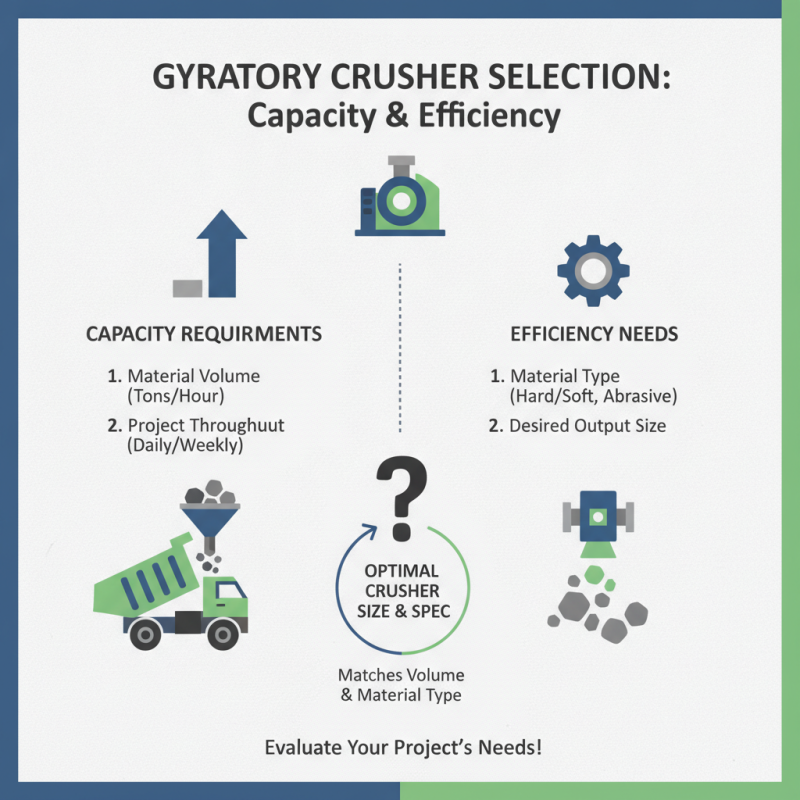
Choosing the right gyratory crusher involves understanding key features that can significantly affect performance. One crucial factor is the crusher's throughput capacity. According to industry reports, a well-selected gyratory can handle anywhere from 2,000 to 12,000 tons per hour. It's essential to match this capacity with your project's requirements to ensure efficiency.
The size of the mantle and bowl also plays a critical role. A larger mantle increases the volume of material processed but may require more power. In contrast, a smaller mantle may enhance precision in smaller projects. It's worth noting that oversized equipment can lead to operational challenges, including increased wear and tear.
Additionally, consider the automation features. Reports indicate that modern gyratory crushers with advanced automation can improve operational efficiency by up to 30%. Automation helps in monitoring and controlling the crushing process, reducing downtime and maintenance needs. While high-tech options offer advantages, they can also introduce complexity that may demand additional training for operators. Balancing these features with project needs is essential for optimal outcomes.
Comparing Different Brands and Models of Gyratory Crushers
When selecting a gyratory crusher, understanding the differences between brands and models is essential. Each manufacturer offers unique features that can enhance performance in specific applications. For instance, some models prioritize energy efficiency, while others focus on maximizing throughput. Your project's requirements will dictate which characteristics matter most.
Different designs also impact maintenance and operation. Some crushers are easier to service, which can reduce downtime. Look for models with key features like advanced control systems or improved wear resistance. This will minimize disruptions during your project. However, not all enhancements translate to better performance across different materials or environments.
Research is critical when comparing options. Gathering user reviews can reveal insights about reliability and operational efficiency. Consider potential trade-offs. A model may excel at processing one material but may underperform with another. Balancing your project needs with available options will lead to the best choice for your situation.