How to Choose the Right Plate for Jaw Crusher?
Choosing the right plate for jaw crusher is crucial for optimizing performance and efficiency. According to industry reports, the wear parts market in mining is expected to reach $6 billion by 2025. This emphasizes the importance of selecting high-quality materials for plates. The durability and resistance to wear can significantly impact the lifespan of the equipment.
Different types of plates are available, including those made from manganese steel and alloy steel. Manganese plates provide excellent strength and toughness, while alloy plates offer a balance between cost and performance. It’s vital to consider the material's properties when choosing the plate for jaw crusher. However, not every plate will suit all applications. The specific needs of your operation should dictate the choice.
Inaccurate selections can lead to poor performance or increased downtime. Many operators realize too late that their initial choices were not optimal. Assessing working conditions, material types, and crusher specifications can guide the decision-making process. Striking the right balance ensures efficiency, reducing costs in the long run.
Understanding the Role of Plates in Jaw Crushers
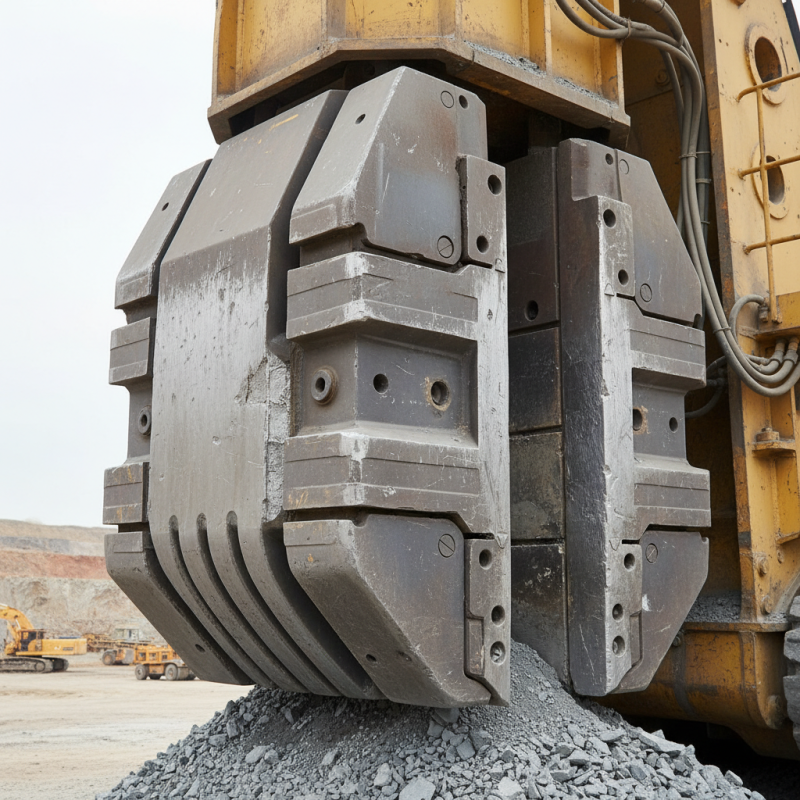
When it comes to jaw crushers, the plates play a crucial role. They directly impact the efficiency and output of the machine. Plates are designed to crush materials by applying high force. Selecting the right type of plate is essential for optimal performance. Each plate material has unique benefits. Understanding these can help make a wise choice.
Different applications require different plate materials and designs. Harder materials may need tougher plates, while softer materials allow for more flexibility. The wear and tear on plates vary. Regular inspection can help identify when replacement is needed. It's worth noting that some operators overlook this, leading to decreased productivity. However, the right choice can enhance longevity and efficiency.
One should also consider the cost of the plates. Cheaper materials might tempt some, but they often wear out quickly. Balancing cost and quality is vital. Reflecting on experiences can guide better decisions for future purchases. Understanding the role of plates goes beyond basic knowledge. It requires ongoing education and adaptation to improve operational efficiency.
Types of Plates Used in Jaw Crushers
When selecting plates for jaw crushers, understanding the types available is essential. The most common options include manganese steel and alloy steel plates.
Manganese steel is known for its high impact strength and wear resistance. This makes it suitable for crushing hard materials, but it can be costly. On the other hand, alloy steel plates are more affordable and offer decent durability. They may wear faster, which can affect performance.
Another consideration is the design of the plates. Some plates feature a smooth surface, while others have a ribbed or corrugated texture. Ribbed plates can aid in material grip, enhancing crushing efficiency. However, they may require more power to operate. Furthermore, plate thickness is also crucial. Thicker plates last longer but can add weight to the crusher. Balancing these factors is important.
It's vital to analyze the materials you plan to crush. Different materials may require different plate types. Reflecting on the operational environment can help. If the crushing process is aggressive, investing in high-quality plates pays off. But for less demanding applications, a moderate choice often suffices. Each option has trade-offs that require careful consideration.
Factors to Consider When Choosing Jaw Crusher Plates
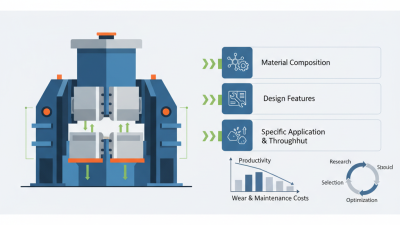
When selecting jaw crusher plates, several critical factors come into play. The material composition is paramount. For example, high manganese steel is commonly used due to its superior hardness and wear resistance. According to industry reports, approximately 50% of all jaw plate failures stem from inappropriate material choices. This is a statistic that should prompt serious consideration during the selection process.
Another crucial factor is the design of the plates. Engineers recommend choosing a design that complements the specific operation parameters. Using the wrong design can lead to inefficient crushing and increased wear. A study by the International Journal of Mining and Mineral Engineering highlighted that improper plate design can reduce operational efficiency by up to 30%. Evaluating your crushing setup will ensure optimal performance and longevity of the plates.
Additionally, the fitment is vital. Plates must align perfectly with the crusher’s interior. Misalignment can result in uneven wear and decreased effectiveness. A common oversight is not accounting for vibration effects, which can further exacerbate wear issues. Choosing the right plate requires a deep understanding of your machine and operational environment. Each aspect needs thorough reflection to prevent costly downtime and enhance productivity.
Material Selection for Durability and Performance
Choosing the right material for jaw crusher plates is crucial. These plates endure significant stress and wear during operation. A recent industry report indicated that up to 70% of crushing performance relies on the quality of the wear plates. Selecting the ideal material can enhance durability and performance.
Many operators favor high manganese steel for its excellent impact strength. It hardens under pressure and offers great resistance to wear. However, this material may not perform well in all applications. Some users notice premature wear in certain environments. Exploring options such as alloy steels or composite materials can provide better solutions. Understanding the specific conditions in which the crusher operates is essential.
The thickness of the plates also influences performance. Thicker plates resist bending and distort less under load. However, they may not yield the same crushing efficiency as thinner plates. Data shows that optimizing the plate thickness can improve both longevity and output. Striking the right balance between durability and efficiency requires careful analysis and sometimes trial and error. Regular assessment of plate performance can lead to informed decisions over time.
How to Choose the Right Plate for Jaw Crusher? - Material Selection for Durability and Performance
| Material Type |
Hardness (Rockwell Scale) |
Tensile Strength (MPa) |
Fracture Toughness (MPa·m1/2) |
Cost per kg (USD) |
Durability Rating |
| Manganese Steel |
HRC 14-24 |
700-850 |
30-40 |
3.00 |
High |
| High Chromium Iron |
HRC 58-65 |
1100-1300 |
20-25 |
4.50 |
Very High |
| Cast Steel |
HRC 25-35 |
350-500 |
15-20 |
2.50 |
Medium |
| Alloy Steel |
HRC 40-50 |
600-700 |
25-30 |
3.50 |
High |
Maintenance Tips for Prolonging Plate Lifespan
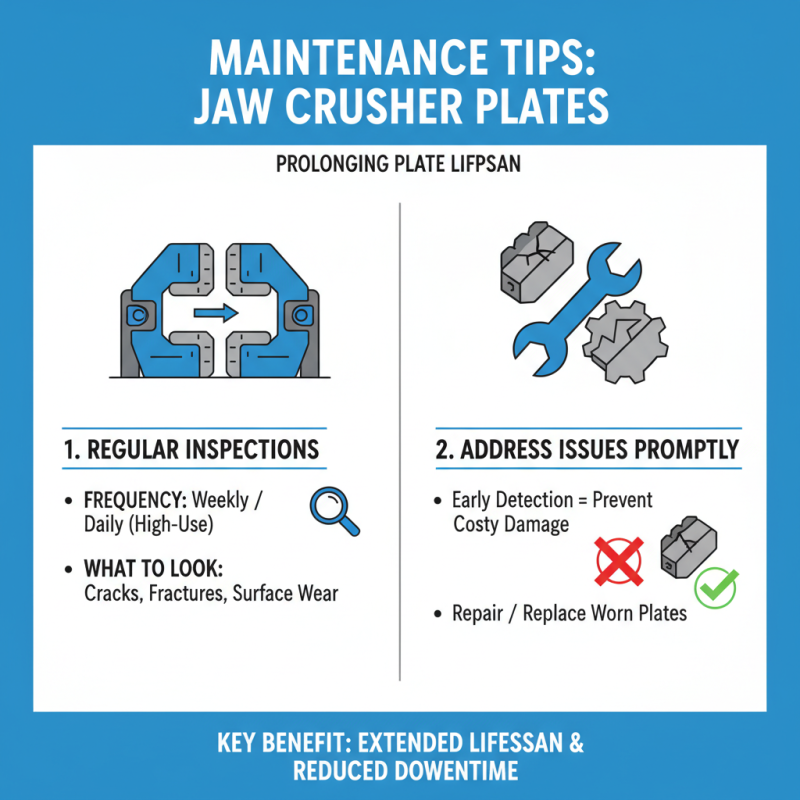
Maintaining the jaw crusher plates is crucial for extending their lifespan. Regular inspections can help identify wear and tear. Look for cracks, fractures, and surface degradation. These inspections should occur frequently, especially in high-use scenarios.
Proper lubrication is key. Keep the plates lubricated to reduce friction and wear. Insufficient lubrication can accelerate damage. Ensure to use the right type and amount of lubricant. This small step can make a big difference.
Cleaning is often overlooked. Remove debris and buildup on the plates to maintain efficiency. Accumulation of material can hinder performance. Pay attention to corners and crevices. This simple action can lead to improved functionality.
Remember, even with the best maintenance, plates will eventually wear out. Monitor their condition closely. Set regular replacement schedules to minimize unplanned downtime. This proactive approach can help maintain operational efficiency and reduce costs.