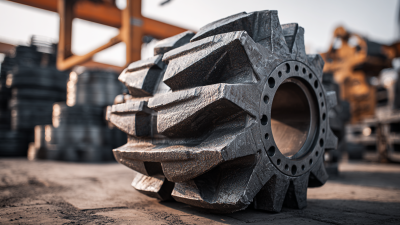
China Top 10 Jaw Crusher Parts Manufacturers
Choosing a supplier for Jaw Crusher Parts involves more than comparing prices. A jaw plate may look similar across catalogs, yet its alloy, heat treatment, and fit can affect wear life and crusher performance. Small details matter. This guide introduces ten manufacturers in China and explains what buyers can check before requesting a quotation.
The comparison focuses on practical signals: product range, material documentation, machining capability, quality checks, export experience, and technical support. It includes components such as fixed and movable jaw plates, cheek plates, toggle plates, and pitman assemblies. A reliable supplier should be able to clarify dimensions, operating conditions, and compatibility with a specific crusher model. Ask for evidence. Samples of inspection records, material certificates, and customer references can help, though no single document guarantees performance. A polished catalog is not proof of consistent production. That point is easy to overlook.
Manufacturers differ in specialization, capacity, and communication, so a ranked list should be treated as a starting point rather than a final verdict. Buyers should confirm current specifications directly and compare like-for-like offers, including packing, delivery estimates, and after-sales arrangements. There is no perfect shortcut. The best fit depends on your machine, feed material, operating hours, and maintenance schedule. This overview aims to make those questions clearer, while recognizing that supplier claims still need careful verification.
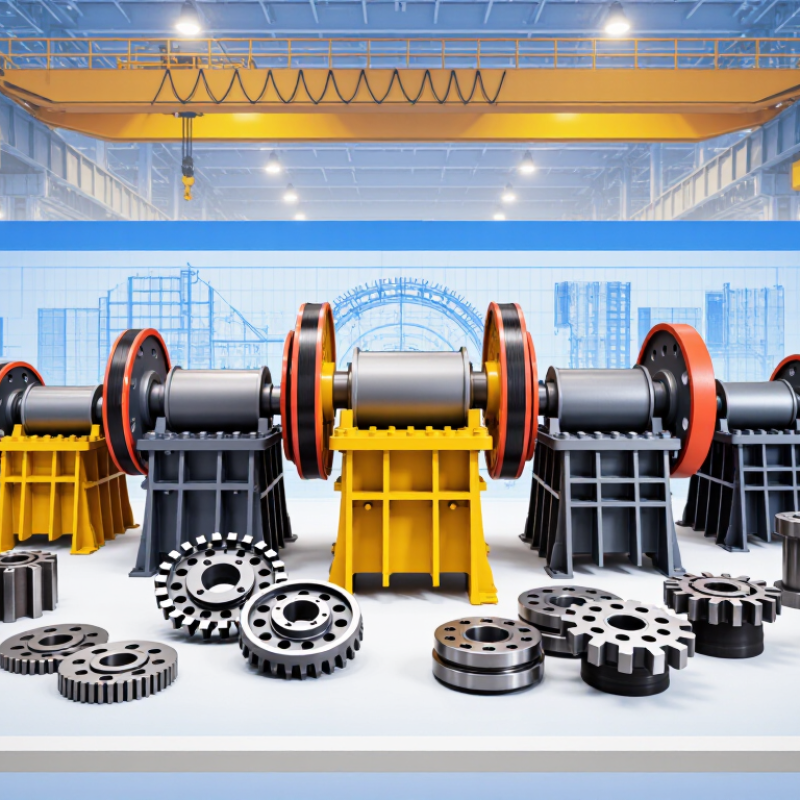
Jaw Crusher Parts Explained: Jaw Plates, Cheek Plates, and Toggle Plates
Jaw plates form the working faces of a jaw crusher, gripping and compressing rock as the moving jaw closes. Their profiles influence how material feeds through the chamber and how evenly the plates wear. Some designs allow plates to be reversed, but only when the service instructions permit it. Check for rounded teeth, cracks, and uneven wear. Small differences matter.
Cheek plates protect the crusher’s sidewalls from abrasive material rubbing along the chamber edges. They are easy to overlook because they do not perform the main crushing action. Still, a thin or loose cheek plate can expose surrounding structure to accelerated wear. During inspection, look for gaps, damaged fasteners, and fresh scoring near the edges. Dust can hide early damage.
The toggle plate supports the moving jaw and transfers crushing forces through the mechanism. On many machines, it also serves as a protective link if an uncrushable object enters the chamber; its role varies by design. Never treat it as a universal safety device. Follow the machine’s service manual and isolate equipment before inspection. Replacement timing depends on feed hardness, operating conditions, and wear patterns. There is no perfect interval, and relying on habit alone can miss a problem.
Jaw Crusher Parts Explained: Typical Part Count in a Single-Toggle Crusher
A typical single-toggle jaw crusher has two jaw plates (fixed and movable), a pair of cheek plates, and one toggle plate. Configurations can vary by crusher design.
Hadfield Steel Specs: 11–14% Manganese and 0.9–1.3% Carbon
Hadfield steel is widely used for jaw crusher parts because repeated impact can harden its working surface. The specified range is 11–14% manganese and 0.9–1.3% carbon. These figures are useful when comparing supplier material data, but they do not prove that a jaw plate will perform well.
In service, the surface may become harder as rocks strike and slide across it, while the interior retains toughness. Heat treatment matters: poor processing can leave brittle carbides, even when the chemistry looks correct. Ask for a material certificate showing the measured composition, then check it against the agreed specification. Numbers matter.
For manufacturers, consistent casting and inspection are just as important as the alloy recipe. Look for clear records of heat treatment and dimensional checks, especially around tooth roots and mounting holes. Those areas can reveal cracking or uneven wear first. A certificate helps, but it is not a field test. Track plate life against rock type, feed size, and operating conditions; otherwise, a short service life may be blamed on the steel when the cause is different. That detail is easy to miss.
How to Assess Manufacturers: Alloy Grade, Hardness, Fit, and Quality Systems
A crusher jaw plate can look correct on a pallet and still fail early in service. Check the alloy grade against the rock type and operating conditions, not just a sales description. ASTM A532 classifies abrasion-resistant cast irons, but a grade name alone cannot confirm consistent chemistry or heat treatment. Ask for a material certificate and test results tied to the actual production batch. The USGS Mineral Commodity Summaries 2024 estimates 2023 global iron ore mine production at about 2.5 billion metric tons. That scale helps explain why wear-part consistency matters, though site conditions vary widely.
Hardness needs context. Request the test method, scale, and measurement locations; a single reading may miss uneven heat treatment. Then verify fit using controlled dimensions, including pin holes, seating surfaces, and the gap between paired plates. A few millimeters of mismatch can create uneven contact or complicate installation. Review the maker’s inspection records and quality system, such as documented calibration, traceability, and nonconformance handling. A tidy certificate is not the same as a reliable part. It is easy to overlook that.
Tips: Compare sample test reports with the delivered batch, and check critical dimensions against your drawing. Ask how rejected castings are handled. If answers stay vague, pause before ordering. A short trial can reveal issues, but it cannot replace proper inspection.
China’s Top 10 Jaw Crusher Parts Manufacturers: Products and Capabilities
China’s Top 10 Jaw Crusher Parts Manufacturers: Products and Capabilities
China’s leading jaw crusher parts manufacturers serve quarries, mines, and aggregate plants with wear and structural components. Common products include fixed and swing jaw plates, cheek plates, toggle plates, wedges, and fasteners. Strong suppliers specify material grades, heat-treatment procedures, and dimensional tolerances—not just a catalogue number. That matters. A plate that fits poorly can create uneven wear, while the wrong profile may reduce throughput or increase power demand. Buyers should ask for inspection records, material traceability, and sample measurements before approving a production batch.
Capability also means matching parts to real operating conditions. Feed size, rock abrasiveness, moisture, and crusher settings all affect wear life; no single alloy performs best everywhere. The USGS Mineral Commodity Summaries 2025 estimates U.S. crushed-stone production at about 1.5 billion metric tons in 2024, illustrating the scale of demand for dependable crushing equipment and replacement parts. For a fair comparison among ten manufacturers, check casting consistency, machining accuracy, delivery capacity, and technical support for wear-pattern reviews. Ask how the supplier handles a failed fit or unexpectedly short service life. A polished datasheet is useful, but it cannot replace field evidence. Even experienced buyers can miss this.
Choosing Replacement Parts: Match OEM Dimensions and Crusher Model
Choosing replacement parts for a jaw crusher starts with the exact crusher model, not a broad equipment category. Check the model plate, serial number, and chamber setup against the equipment documentation. Then compare the part’s OEM dimensions with the relevant drawing or specification sheet. Jaw plate length alone is not enough; thickness, tooth profile, mounting holes, and contact surfaces also affect fit. Small mismatch. Uneven wear can follow.
Before ordering, record the dimensions and clarify how they were measured. For critical surfaces, use calibrated measuring tools and compare hole spacing, overall thickness, and profile to the published tolerances. Ask the supplier for a dimensional inspection report and material details, especially for wear parts exposed to heavy impact. A part may look correct in a photo and still sit poorly against the jaw. That is an easy detail to overlook when a shutdown is waiting. Verify the part number and crusher configuration in writing, and inspect the delivered component before installation. If a dimension is unclear, pause and confirm it rather than assuming the older part is a reliable template; worn components can lose their original shape.