- Home
- About Us
- Products
- News
- Blog
- Contact Us
Leave Your Message
Choosing the China best construction machinery wear parts manufacturer requires more than comparing prices. Construction Machinery Wear Parts must withstand impact, abrasion, heat, and long working hours. A dependable manufacturer understands these pressures through real production experience. Their products should support excavators, loaders, bulldozers, crushers, and other demanding equipment.
Material selection matters. High-quality alloy steel, controlled heat treatment, and accurate machining can extend service life. A professional supplier should explain hardness ranges, steel grades, production tolerances, and testing methods clearly. Factory audits, inspection records, and traceable batch information also build confidence. Small details matter. A tooth that fits poorly may increase fuel use, vibration, and downtime.
However, no manufacturer is perfect for every application. Soil conditions, machine models, working temperatures, and operator habits change performance. A supplier that promises universal results may deserve careful questioning. The strongest companies welcome technical discussion and admit product limitations. That honesty is valuable.
Customer evidence should include practical case details, not vague praise. Look for replacement intervals, operating environments, failure analysis, and verified references. Certifications can support credibility, but they cannot replace consistent quality control. Communication also reveals expertise. Do engineers respond with drawings, measurements, and realistic recommendations?
China has many capable manufacturers, yet selection should remain evidence-based. The best choice combines dependable materials, stable production, responsive service, and transparent business practices. Before placing a large order, test a small batch under actual working conditions. Performance in the field tells the clearest story. Mistakes still happen, but responsible suppliers investigate them and improve.
What Are Construction Machinery Wear Parts?
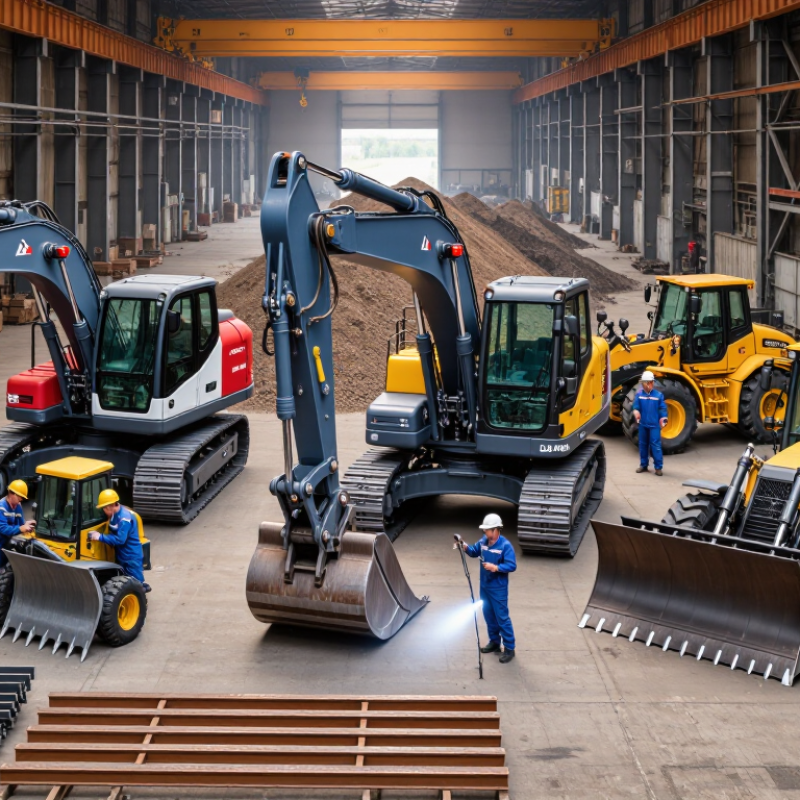
Construction machinery wear parts are replaceable components exposed to constant contact, impact, friction, or abrasive materials. Common examples include bucket teeth, cutting edges, ripper shanks, track shoes, blades, and crusher liners. These parts protect expensive machine structures while maintaining digging, loading, grading, or crushing performance.
In field maintenance, wear parts rarely fail without warning. Uneven abrasion, rounded edges, loose fasteners, and unusual vibration often appear first. Material hardness, heat treatment, operating conditions, and correct fit all affect service life. A part that looks strong may wear quickly in wet sand or highly abrasive rock. That is an important limitation to remember. Selecting the right component requires matching the part to the machine, attachment, material, and workload. Reliable manufacturers should provide dimensional data, material specifications, inspection records, and practical installation guidance.
Tips: Check wear thickness at scheduled intervals, not only after performance drops. Keep mounting surfaces clean and tighten fasteners to the specified torque. Compare wear across both sides of the attachment. Uneven wear may indicate incorrect alignment, loose hardware, or poor operating technique. Keep clear records of working hours and replacement dates. Small details matter. A short trial in real working conditions can reveal more than a general durability claim.
| Wear Part Category | Primary Function | Common Base Material | Typical Wear Mechanism | Typical Machinery Application | Key Inspection Point |
|---|---|---|---|---|---|
| Bucket Teeth | Penetrate and break soil, rock, or other bulk material. | Cast alloy steel or forged alloy steel. | Abrasive wear, impact wear, and edge deformation. | Hydraulic excavators, wheel loaders, and backhoe loaders. | Tooth profile, sharpness, cracking, and retaining-pin condition. |
| Cutting Edges | Cut, level, or scrape material across the working surface. | Heat-treated carbon or alloy steel. | Sliding abrasion and localized impact. | Dozers, graders, loaders, and scraper equipment. | Remaining edge thickness, uneven wear, bolt-hole elongation, and bending. |
| Bucket Side Cutters | Protect bucket side plates and improve material penetration. | Abrasion-resistant cast or forged steel. | Side abrasion, impact, and material flow friction. | Excavator and loader buckets. | Contact surface wear, mounting fit, cracks, and distortion. |
| Track Shoes | Provide ground contact, traction, and machine support. | Heat-treated alloy steel. | Ground abrasion, bending stress, and fatigue. | Tracked excavators, dozers, and crawler carriers. | Grouser height, shoe bending, bolt tightness, and track-chain alignment. |
| Track Links and Pins | Form the articulated track chain and transfer driving force. | Case-hardened and tempered alloy steel. | Three-body abrasion, joint wear, and fatigue loading. | Crawler excavators and crawler dozers. | Pitch elongation, bushing wear, oil leakage, and joint looseness. |
| Rollers and Idlers | Support and guide the track assembly. | Forged or cast alloy steel with hardened rolling surfaces. | Rolling contact fatigue, seal failure, and abrasive contamination. | Tracked construction machinery. | Oil leakage, abnormal noise, surface pitting, and free rotation. |
| Auger Flights | Cut and transport soil during drilling operations. | Carbon steel with abrasion-resistant hardfacing or alloy steel. | Spiral-edge abrasion and impact from stones. | Drilling rigs, earth augers, and foundation equipment. | Flight thickness, edge sharpness, weld integrity, and shaft alignment. |
| Crusher Jaw Plates | Crush aggregate, rock, and recycled construction materials. | High-manganese steel or other impact-resistant alloy steel. | Compression, impact, and abrasive wear. | Jaw crushers used in quarrying and recycling. | Tooth profile, plate thickness, cracking, and mounting-seat condition. |
| Crusher Blow Bars | Strike and fracture material in impact crushing. | Martensitic alloy steel, high-chrome iron, or composite material. | High-energy impact and abrasion. | Impact crushers and recycling plants. | Wear profile, cracks, rotor contact, and secure fastening. |
| Conveyor Scrapers | Remove residual material from conveyor belts. | Polyurethane, rubber, carbide-tipped steel, or abrasion-resistant steel. | Continuous sliding abrasion and belt contact. | Aggregate, mining, and material-handling conveyors. | Blade wear, belt tracking, contact pressure, and mounting condition. |
Construction machinery wear parts are replaceable components designed to withstand abrasion, impact, pressure, heat, or repeated mechanical loading in demanding work environments.