Choosing among China’s leading mill-liner manufacturers requires more than comparing prices or alloy grades. Ball Mill SAG Mill Liners affect wear life, throughput, relining frequency, and worker exposure during maintenance. Small design differences matter. A lifter that is too tall can alter charge motion; a liner that wears unevenly may expose the shell sooner than expected.
The U.S. Department of Energy’s Mining Industry Energy Bandwidth Study examines energy use and efficiency opportunities across mining processes, including comminution. Its findings underline why grinding performance deserves attention: mills operate within an energy-intensive part of the mineral-processing circuit. The report does not rank liner suppliers, though. Buyers still need site-specific wear data, material certificates, dimensional checks, and references from comparable ore conditions. Those details are easy to overlook.
Comminution specialist Dr. Steve Morrell’s published work emphasizes evaluating grinding performance in the context of the complete circuit. A careful paraphrase of that principle is: liner decisions should be judged against operating conditions and measured mill results, not product claims alone. That is not a magic formula. Ore hardness changes, and a design that works at one site may disappoint at another. This guide compares Chinese manufacturers through practical criteria: engineering support, manufacturing control, installation experience, and evidence of service life. It also leaves room for uncertainty, because public product information rarely tells the whole story.
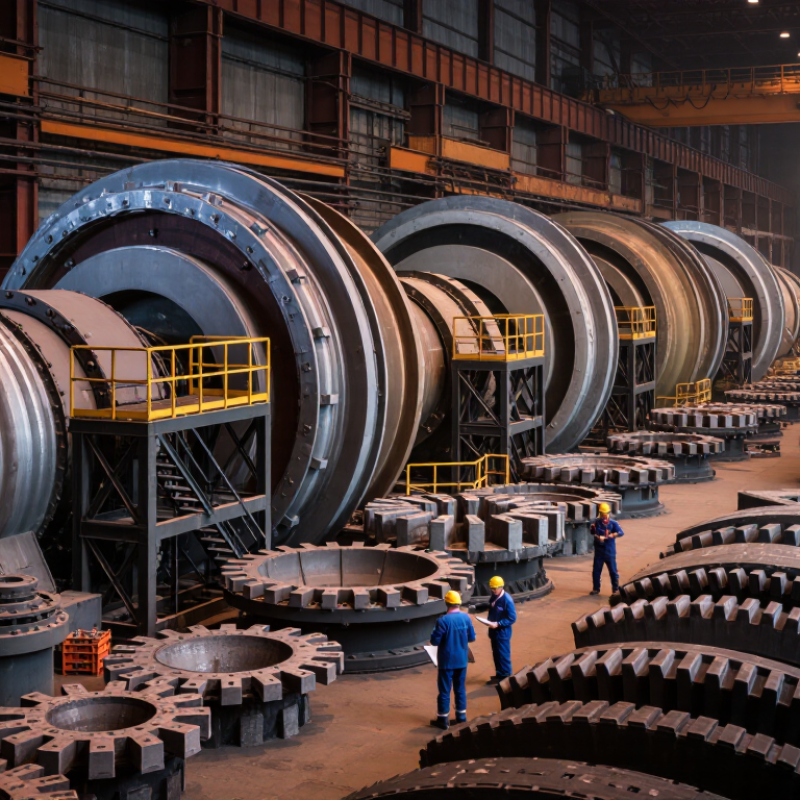
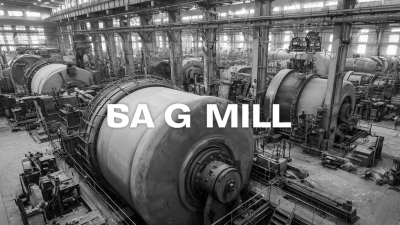
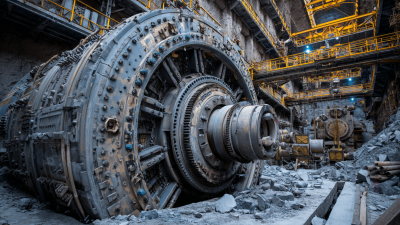
Ball mill and SAG mill liners sit between the rotating shell and the grinding charge. They protect the shell from repeated impact, abrasion, and corrosive slurry. They also shape how ore and steel balls move. In a SAG mill, lifter bars raise rocks and media before gravity pulls them onto the charge. The impact breaks coarse ore. In a ball mill, the liner profile helps keep the balls moving at useful heights. Small changes matter.
A liner is not just armor. Its surface pattern affects grinding action, power draw, throughput, and wear distribution. Rubber, metal, and composite designs suit different conditions, but selection depends on ore hardness, mill speed, feed size, and operating goals. A worn lifter may let the charge slide rather than lift. That can reduce impact and leave uneven wear marks. Operators inspect liner profiles and thickness during planned shutdowns, then compare observations with mill performance data.
Fit matters. So does installation. Incorrectly seated parts can loosen, create gaps, or wear unevenly. Liner life is never a fixed number; ore and operating conditions change. Even a careful design can disappoint if measurements or maintenance records are weak. That is worth admitting. Practical liner decisions combine mill data, inspection, and experience, rather than relying on material labels alone.
Assess a Chinese mill-liner manufacturer with site-specific evidence, not catalogue claims. Ask for drawings, alloy certificates, heat-treatment records, and inspection results linked to a recent production batch. The USGS Mineral Commodity Summaries 2025 estimates global copper mine production reached 23 million metric tons in 2024. That scale makes downtime costly, but it does not prove any liner will perform well in your mill. Request comparable installation records, including mill diameter, ore type, throughput, operating hours, and liner life.
Check the engineering details. Do the proposed lifter angles and plate thickness match your feed size, impact zone, and discharge pattern? Confirm bolt-hole tolerances and whether replacement parts fit your existing shell. The IEA’s Global Critical Minerals Outlook 2024 projects copper demand rising from about 25.9 million tonnes in 2023 to 31.1 million tonnes by 2035 under its Stated Policies Scenario. Demand forecasts are context, not a product test. A tidy brochure is not proof. Ask for wear maps, failure analysis, and a monitored site trial with agreed measurement points. No test plan is perfect; ore changes, and operating records can be incomplete. Still, transparent limits and traceable data offer a stronger basis for comparison than unsupported lifespan promises.
Leading Chinese ball mill and SAG mill liner manufacturers combine foundry production with engineering support. Capabilities vary, so a large catalogue alone does not prove a good fit. Ask whether the supplier can review mill dimensions, feed size, operating speed, and wear history before recommending a liner design. These details affect profile, material selection, and expected service life.
Liners may be made from alloy steel, rubber, or composite materials, depending on mill conditions and impact levels. A useful supplier can explain the trade-offs in plain terms and provide drawings, material specifications, inspection records, and delivery schedules. Check how the company controls casting quality and verifies critical dimensions. Details matter. Where possible, compare its proposal with maintenance records from a similar mill, not just a projected lifespan.
Communication after installation matters, too. Ask how wear observations can inform the next design revision, and whether technical staff can review photos or measurements from scheduled inspections. A careful manufacturer should state what it knows, identify assumptions, and avoid promising a fixed service life without operating data. Some specifications will still need refinement once the liner is in use. That is worth discussing openly.
Choosing ball mill and SAG mill liners means balancing wear life, impact resistance, weight, and safe handling. High-chrome iron can suit abrasive conditions, while alloy steel handles heavier impacts. Rubber or composite panels may reduce weight and noise, but require checks for temperature, feed size, and attachment design. No material wins everywhere. Fit matters.
Design shapes also matter. Lifter height, spacing, and profile affect charge movement and can change as liners wear. The U.S. Department of Energy’s 2007 Mining Industry Energy Bandwidth Study estimated annual U.S. mining energy use at 1,246 trillion Btu, underscoring the value of efficient operations. A CEEC-backed 2014 study by Ballantyne and Powell found comminution energy use varied substantially between copper and gold operations. That variability cautions against choosing a liner from a catalogue alone. Production capability matters too: ask for material certificates, heat-treatment records, dimensional checks, and wear-test evidence. A polished drawing can still miss site conditions.
Tips: Share mill speed, ore characteristics, feed size, and operating photos with suppliers. Compare expected wear life and change-out time, not just purchase price. Check bolt-hole alignment before shipment. Small mismatch, big delay.
A brand-neutral comparison of common liner materials and the production capabilities buyers can verify. Property ranges are indicative; actual performance depends on alloy or compound grade, heat treatment, mill conditions, and liner design.
| Liner material or system | Common mill applications | Typical characteristics | Design considerations | Production capability to verify |
|---|---|---|---|---|
| Cast alloy steel Including manganese and chromium-molybdenum grades |
Ball mills and SAG mills; shell, head, and grate components depending on the alloy and operating conditions. | High impact tolerance and structural strength. Hardness varies widely by alloy and heat treatment; values should be checked against the specified grade and test method. | Lifter height, spacing, and face angle affect charge motion and wear. Sections must be designed for mill geometry, bolt arrangement, and handling limits. | Ask for documented alloy chemistry, heat-treatment records, hardness mapping, dimensional inspection, and traceable mechanical-test results. |
| High-chromium white iron | Abrasion-focused duties, commonly in ball-mill components where impact severity and casting geometry are suitable. | High abrasion resistance and hardness; generally less tolerant of severe impact than suitably selected tough steel grades. Exact properties depend on composition and heat treatment. | Not a universal choice for high-impact zones. Component thickness, casting quality, and operating impact must be considered together. | Verify control of chemistry and heat treatment, casting inspection, hardness testing, and the supplier’s acceptance criteria for defects. |
| Rubber | Many ball-mill duties and selected SAG-mill zones, especially where reduced liner mass, noise, or corrosion exposure is important. | Lower mass and noise than steel; resilient under impact. Compound hardness is often specified on the Shore A scale, but a single hardness value does not predict service life. | Temperature, ore characteristics, impact energy, and panel support influence suitability. Profile and fastening design must prevent movement and localized damage. | Check compound identification, cure control, panel dimensions, bonding or insert quality, and batch-level physical-property test records. |
| Rubber-metal composite | Ball and SAG mills where an impact-resistant metal structure and a wear- or noise-managing elastomer surface are used together. | Combines properties of metal and elastomer; overall mass and wear behavior depend on the design and the proportion of each material. | Interface design and attachment integrity are critical. Composite construction does not automatically outperform a single material in every zone. | Verify interface or bonding procedures, insert retention, dimensional checks, and inspection of the complete assembled component. |
| Polyurethane | Selected screens, panels, and wear components; use as a full mill-liner solution depends on the duty and product design. | Elastomeric material with formulation-dependent abrasion, tear, and impact properties. Performance should be assessed using application-specific test data. | Temperature, chemical exposure, section thickness, and attachment method can affect service performance. | Request compound specifications, cure and molding controls, dimensional inspection, and test results relevant to the intended service. |
| Design and engineering capability | Relevant to all materials and both ball-mill and SAG-mill liner packages. | Capability is demonstrated through accurate mill surveys, operating data review, wear assessment, and design validation—not by material claims alone. | Review lifter profile, pulp-lifter and grate arrangement where applicable, bolt pattern, segment mass, and installation sequence. | Ask for engineering drawings, revision control, fit-up checks, wear-life monitoring methods, and documented field-feedback processes. |
| Manufacturing and quality systems | Use as a supplier-assessment checklist; capabilities differ by factory and product route. | Casting, molding, machining, and finishing requirements vary with the selected liner system and component size. | Production capacity should be assessed against component dimensions, batch size, delivery schedule, and inspection requirements. | Confirm applicable quality certifications, calibrated inspection equipment, material traceability, nonconformance controls, and inspection documentation for the actual order. |
Comparison note: Hardness scales for metals and elastomers are not directly comparable. Select a liner by matching material, profile, and manufacturing controls to mill geometry, ore properties, impact and abrasion conditions, and maintenance requirements.
Choosing a mill liner supplier starts with your ore, not a catalogue. Ask for documented results from mills with comparable diameter, throughput, ore abrasiveness, and operating speed. The U.S. Department of Energy’s Mining Industry Energy Bandwidth Study identifies comminution as a major energy-use area, while CEEC publications commonly estimate comminution uses about 3% of global electricity. That makes liner design relevant to both wear life and power demand. Still, performance figures are only useful when test conditions are clear.
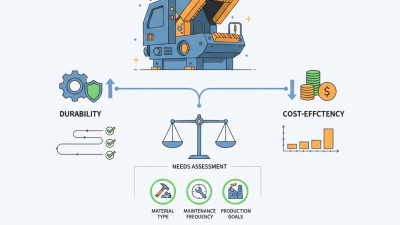
Check how the supplier validates fit, material selection, and expected wear. Request inspection records, installation drawings, and wear measurements from previous operating cycles. Ask how the liner profile may affect mill capacity, charge motion, and shutdown frequency. A longer-lasting liner is not automatically better if it reduces throughput or raises energy use. Compare total operating cost per tonne, not just purchase price. And question optimistic forecasts. Real ore varies.
Tips: Share recent feed-size and ore-hardness data, plus photos of worn liners. Confirm lead times and technical support before a shutdown; a small delay can leave crews waiting. Ask for a clear wear-monitoring method, such as scheduled thickness measurements at fixed liner positions, so the next replacement decision rests on evidence.