Best Impact Crusher Wear Parts for Optimal Performance?
In the world of mining and aggregate production, the performance of equipment often hinges on the quality of components. Impact Crusher Wear Parts play a crucial role in ensuring efficient operations. According to a report by the International Journal of Mining Science and Technology, wear parts can account for up to 30% of operational costs. Thus, selecting the right wear parts is essential for maximizing productivity and reducing downtime.
By using high-quality materials, operators can enhance the lifespan of their impact crushers. For example, many companies report a 20% increase in performance when utilizing advanced wear-resistant alloys. However, not all wear parts are created equal. Some parts may promise longevity but fail under high-stress conditions. Research shows that the right wear parts can lead to significant savings and improved output.
Companies must evaluate their options carefully. Often, cheaper parts can lead to more frequent replacements and higher operational costs in the long run. Investing in reliable Impact Crusher Wear Parts can prevent unexpected breakdowns and enhance overall efficiency. This choice reflects a company's commitment to excellence and operational effectiveness.
Understanding Impact Crusher Wear Parts and Their Importance
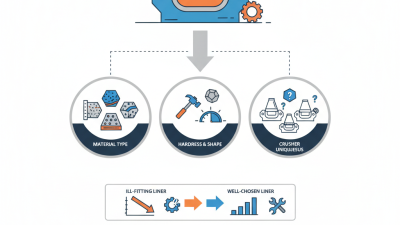
Impact crusher wear parts play a crucial role in the performance of aggregate processing and recycling operations. Understanding these parts is essential for maximizing efficiency. Each component, from blow bars to liners, experiences wear over time. The choice of material and design can significantly affect durability and replacement frequency. High-quality materials are vital, yet they come with a higher cost.
Many operators may overlook the importance of maintaining these components. Regular inspections can prevent unexpected breakdowns. Operators should analyze wear patterns to optimize parts selection. The wrong choice may lead to frequent replacements or inefficient crushing. Investments in proper training and knowledge-sharing among staff can improve maintenance routines.
It's important to evaluate not only wear parts but also their suppliers. Reliable sources provide crucial support in choosing the right materials. However, the industry lacks standardization, making it tough to identify truly effective components. Operators may find themselves confused by marketing claims. Through collaboration and shared experiences, the industry can work towards a more reliable approach to wear part management.
Types of Impact Crusher Wear Parts: An Overview
Impact crushers are vital in the aggregate and mining industries. The wear parts of these machines play a crucial role in their efficiency. Understanding the different types of impact crusher wear parts is essential for maintaining optimal performance.
There are several key components. Blow bars are one of the most critical parts. They directly influence the crushing process. Regular inspections reveal wear patterns. If they show significant damage, it can lead to decreased efficiency. Another important part is the impact plate. This component helps redirect the material efficiently. A worn impact plate may cause uneven particle sizes. Therefore, regular maintenance is necessary.
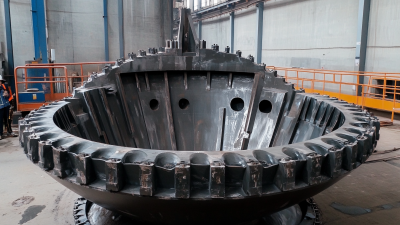
The liners are yet another vital wear part. They protect the interior surfaces of the crusher. However, their durability varies widely. Reasons include material density and the type of feed. Operators often overlook these details. Regular checks can prevent unexpected failures. A deep understanding of each component is necessary for longevity and performance optimization. Each part must be chosen with care to ensure reliability and efficiency in operations.
Material Selection for Optimal Wear Part Durability
When it comes to impact crushers, material selection is critical for enhancing wear part durability. High-quality materials can significantly extend the lifespan of wear parts, reducing downtime and operational costs. According to industry studies, wear part failure can result in significant financial losses, sometimes accounting for up to 50% of maintenance expenditures. Therefore, investing in the right materials is essential.
Several materials are commonly selected for impact crusher wear parts. For instance, high manganese steel provides excellent resistance to impact and abrasion. This alloy can withstand heavy crushing applications and is known for its work-hardening properties. Additionally, advanced technologies have led to developments in ceramic matrix composites, which offer enhanced wear resistance. Research indicates that these advanced materials can increase wear part life by up to 30%, helping operations run smoother.
However, the choice of materials can be complex. Not all materials perform the same across different environments. Factors like hardness, impact resistance, and temperature can influence wear rates. Data suggests that suboptimal material choices could lead to accelerated wear and unexpected failures. Operators must continuously assess their wear part performance and revisit their material selections based on real-time data and feedback. Only through rigorous evaluation can companies achieve optimal performance in their impact crushers.
Best Impact Crusher Wear Parts for Optimal Performance
| Material Type |
Hardness (HRC) |
Tensile Strength (MPa) |
Durability Rating |
Typical Applications |
| High Chrome White Iron |
60-62 |
1200-1800 |
Excellent |
Aggregate Crushing, Hard Rock Mining |
| Martensitic Steel |
50-56 |
900-1300 |
Good |
Construction, Demolition |
| Alloy Steel |
45-50 |
600-800 |
Moderate |
Soft Stone Crushing |
| Ceramic Composites |
70-80 |
1500-2000 |
Superior |
High-Volume Crushing |
Maintenance Practices for Prolonging Wear Part Lifespan
Maintaining impact crusher wear parts is essential for optimal performance. Proper maintenance can significantly extend their lifespan. Reports indicate that effective maintenance can improve wear part longevity by up to 40%. Regular inspections help identify wear patterns early. This can prevent unexpected breakdowns and costly downtime.
Tips: Conduct weekly visual checks on wear parts. Look for signs of excessive wear or damage. Keep a detailed log of performance metrics for analysis.
Routine maintenance practices are crucial. Proper lubrication is key. It reduces friction and heat, which can degrade components faster. The right materials should be used for repairs and replacements. Low-quality replacements can lead to more wear and failures.
Tips: Use high-quality lubricants designed for your specific application. Follow manufacturer guidelines closely to avoid common pitfalls. Regular training for staff on maintenance practices is also beneficial, ensuring everyone understands their role in the process.
Signs of Wear and Replacement Strategies for Impact Crusher Parts
Impact crushers are crucial in various industries for reducing materials. Understanding wear parts is vital for maintaining optimal performance. Common signs of wear include reduced output, increased vibration, and unusual noise. Recognizing these indicators early can save time and money.
Operators should frequently inspect wear parts. Check blow bars for excessive wear, as these components face the brunt of impact. Look for cracks and deformation. Regular checks can prevent unexpected breakdowns. Operators often overlook minor wear signs, leading to costly repairs. Monitoring these details can improve overall efficiency.
Tips: Always have a replacement strategy ready. Keeping spare wear parts on hand can minimize downtime. Schedule routine maintenance checks to catch wear early. Remember, proactive measures are more cost-effective than reactive fixes. A vigilant approach ensures your impact crusher operates optimally, extending its lifespan.
Best Impact Crusher Wear Parts for Optimal Performance
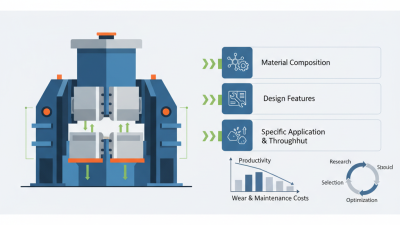
This chart illustrates the wear rate percentages of various impact crusher components. Regular monitoring and timely replacement of these parts are crucial for maintaining optimal performance and reducing downtime in operations.