Best Cone Crusher Wear Parts for Efficient Mining Operations?
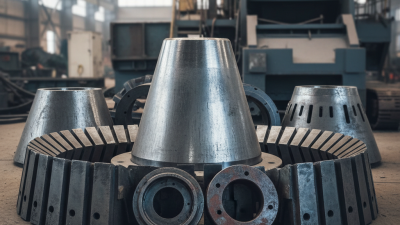
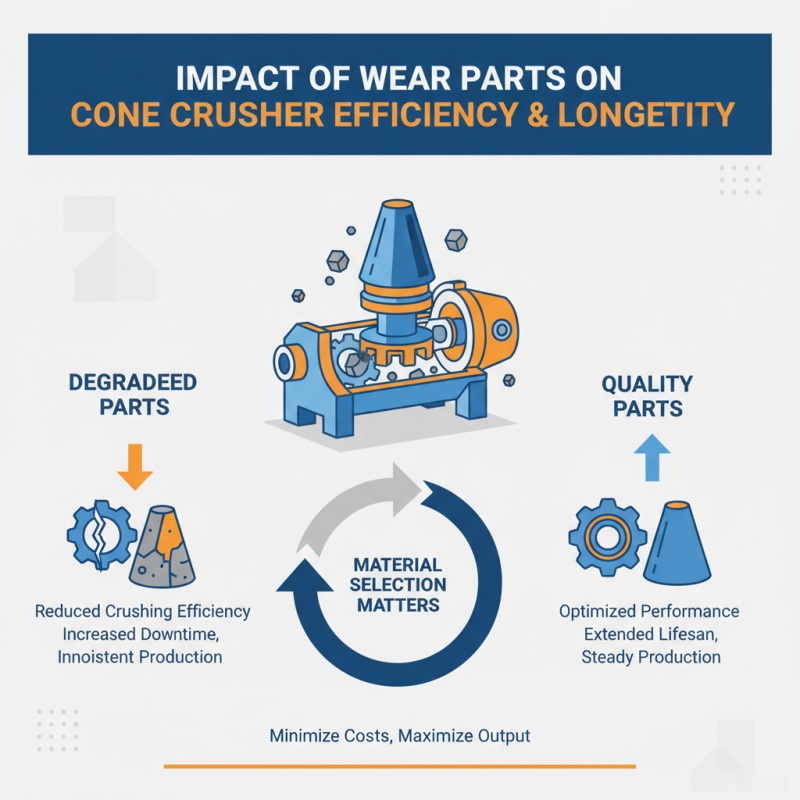
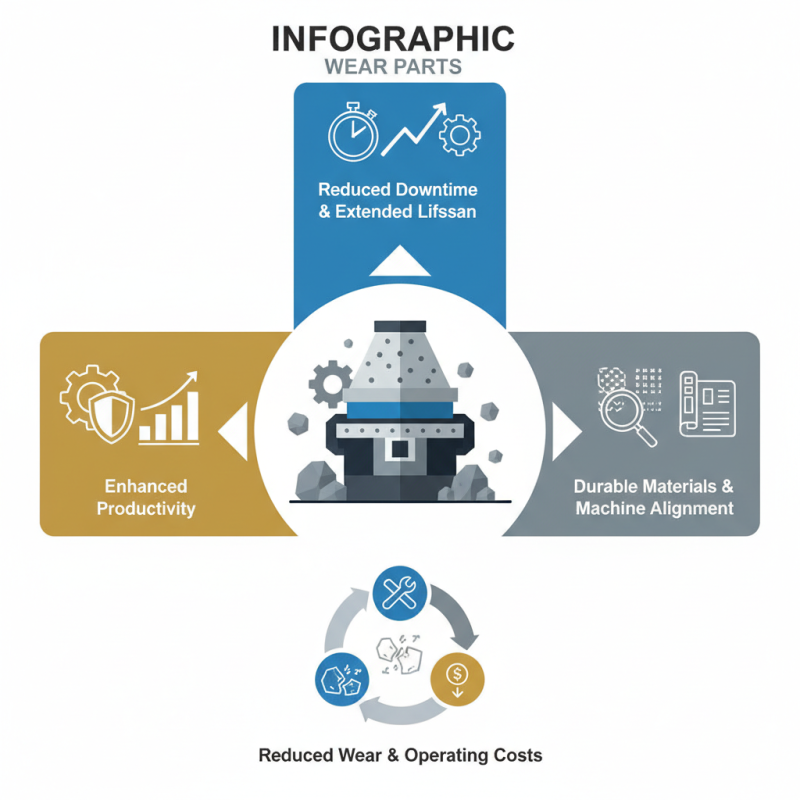
Efficient mining operations rely heavily on the durability and performance of equipment. One crucial component in this area is the Cone Crusher Wear Parts. These parts play a significant role in ensuring optimal functioning of cone crushers. High-quality wear parts can reduce downtime and extend the lifespan of your machinery.
Investing in the right Cone Crusher Wear Parts can enhance productivity. However, not all wear parts offer the same benefits. Many operators overlook the importance of choosing parts that fit specific operational needs. This oversight can lead to increased wear and premature failures, which impact overall efficiency.
Understanding the available options and their functionalities is essential. The best wear parts are made from durable materials that resist wear and tear. Additionally, they must align with the particular machine specifications. A critical assessment of wear parts can lead to improved performance and reduced operating costs.
Best Cone Crusher Wear Parts: An Overview of Material Options
In mining operations, the choice of cone crusher wear parts is crucial for efficiency and longevity. Material options include high manganese steel, alloy steel, and ceramic composites. High manganese steel, known for its hardening properties, can withstand high impact. This material achieves a hardness of 14%-18% under normal conditions but goes up to 22% when hardened. Alloy steels can provide better wear resistance through various heat treatments. However, they may not perform as well under shock loads.
Ceramic composites are emerging as a strong alternative. They offer superior wear resistance and lightweight properties. Studies indicate that these materials reduce downtime, increasing productivity. Some reports suggest that using advanced materials can enhance service life by up to 30%. Yet, they require careful handling and thorough knowledge during installation.
Tips: Regularly monitor wear levels to ensure optimal performance. Consider periodic assessments of materials against actual working conditions. Ultimately, evaluating wear parts through user experience and historical data ensures the best outcomes in mining operations.
Best Cone Crusher Wear Parts Material Comparison
This chart compares the durability index of different cone crusher wear part materials, providing insights for efficient mining operations.
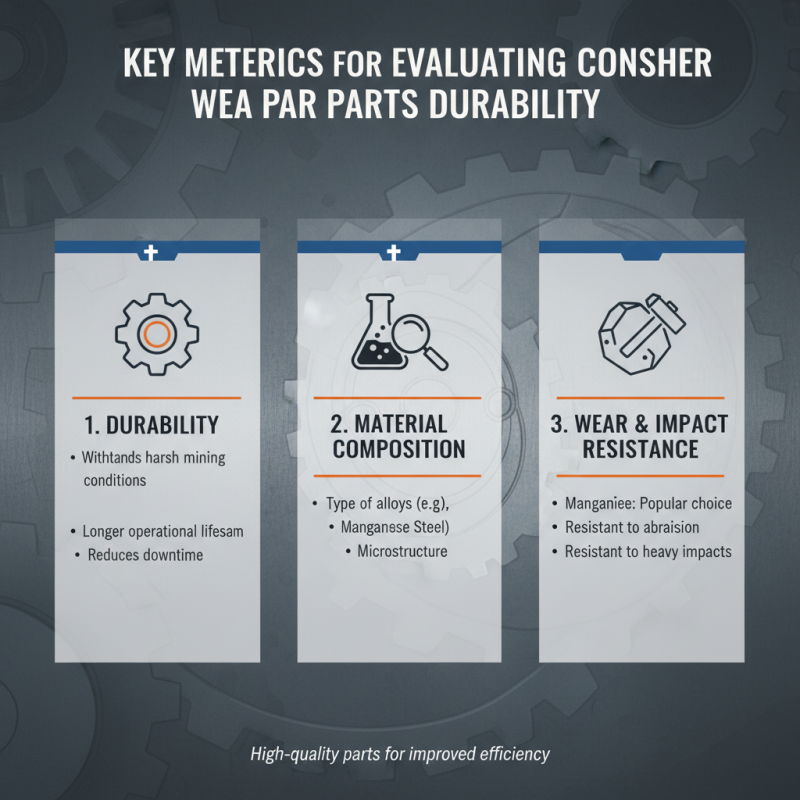
Key Metrics for Evaluating Cone Crusher Wear Parts Durability
When it comes to evaluating cone crusher wear parts, durability is a key metric. High-quality wear parts should withstand the harsh conditions of mining operations. Understanding the material composition is vital. Different alloys and treatments can significantly impact the lifespan of the parts. For instance, parts made from manganese are popular due to their excellent resistance to wear and impact.
Another critical factor is the design of the wear parts. A well-designed part ensures optimal fit and function, which can reduce operational issues. Regular inspections can help identify wear patterns. This can inform decisions on when to replace parts. Unexpected failures can halt production, leading to costly downtime. Therefore, knowing the wear characteristics helps in proactive maintenance.
Cost-effectiveness should also be considered. While cheaper options may seem appealing, they often compromise on quality. Assessing the total cost of ownership is essential. This includes maintenance and replacement frequency. Investing in durable wear parts can ultimately lead to higher overall efficiency. Engage with experts or consult industry studies to ensure informed decisions. By focusing on these metrics, mining operations can enhance productivity.
Comparative Analysis of Wear Part Manufacturers in the Mining Industry
When considering wear parts for cone crushers in mining operations, it’s crucial to evaluate various manufacturers. Not all wear parts are created equal. Quality of materials used, manufacturing processes, and after-sales support all play a significant role in the performance and longevity of these parts. Some manufacturers may offer lower-cost options, but these can result in faster wear and increased downtime.
Tips: Always request material specifications. Understanding the type of steel or alloys used can make a significant difference.
Analyzing the industry, some brands focus on innovative designs that reduce wear and improve efficiency. Others may rely on traditional methods, which might not be as effective. It’s essential to weigh the benefits and drawbacks of each option. Regular feedback from operators can help identify which parts perform best in various conditions.
Tips: Join industry forums. Engaging with peers can provide insights into experiences with different manufacturers and their products.
In conclusion, there is no one-size-fits-all solution. Reflecting on past experiences can guide future decisions. Manufacturers should be aware of evolving technology and strive for continuous improvement. This adaptability can greatly enhance operational efficiency in the mining sector.
Best Cone Crusher Wear Parts for Efficient Mining Operations
| Manufacturer |
Material Type |
Hardness (HRC) |
Wear Life (Hours) |
Cost ($ per unit) |
| Unknown A |
High Manganese Steel |
HRC 22-24 |
1500 |
120 |
| Unknown B |
Alloy Steel |
HRC 30-32 |
1800 |
150 |
| Unknown C |
Ceramic Composite |
HRC 40-42 |
2000 |
250 |
| Unknown D |
Martensitic Steel |
HRC 28-30 |
1750 |
140 |
| Unknown E |
Ductile Iron |
HRC 35-37 |
1600 |
130 |
Trends in Cone Crusher Wear Parts Technology and Performance Enhancements
The landscape of cone crusher wear parts technology is evolving rapidly. Recent advancements are improving
durability and performance significantly. Manufacturers are now focusing on materials that withstand high impact and abrasion.
High-alloy steel and ceramic-coated parts have shown promising results. These materials are not only resilient but also
extend the life of wear components.
One notable trend is the shift towards modular designs. Modular parts allow for easier replacement and maintenance. This innovation can
reduce downtime considerably. Operators are finding that investing in high-quality wear parts leads to better uptime and productivity on the job site.
However, not all advancements translate to immediate benefits. The learning curve associated with new technology can be steep.
Some operators report challenges in adapting to new materials. It’s essential to evaluate these changes carefully. Operators must balance
initial costs with long-term gains to make the right decisions for their operations.
The journey towards optimal efficiency involves reflection and adaptation to these trends.