Best Ball Mill and SAG Mill Liners for Optimal Performance?
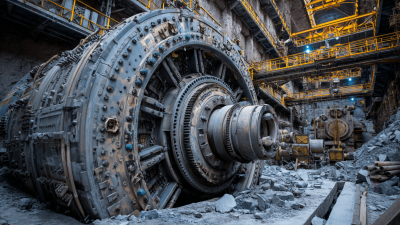
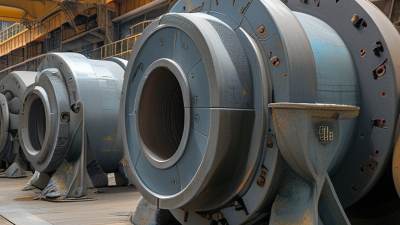
In the world of mineral processing, the choice of mill liners can greatly influence efficiency. Ball Mill SAG Mill Liners are crucial components that directly affect mill performance. These liners protect the mill shell and assist in the grinding process. Selecting the right materials and designs is essential for optimal output.
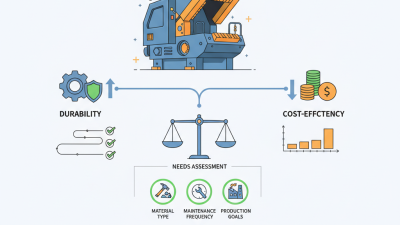
The right liner materials can improve wear resistance and reduce downtime. For instance, rubber liners can absorb impact better than steel ones. However, they may not last as long. This raises questions about the long-term cost-effectiveness of different options. Operators often face challenges in balancing short-term performance with long-term durability.
Research shows that understanding specific milling conditions leads to better liner selection. Each mill operates in unique environments with varying factors like load and speed. Thus, one-size-fits-all solutions are not effective. Continuous evaluation and adaptation are necessary to achieve peak performance. The journey to optimal mill liner selection involves learning from experiences and adjusting strategies accordingly.
Understanding the Role of Ball Mill and SAG Mill Liners in Grinding
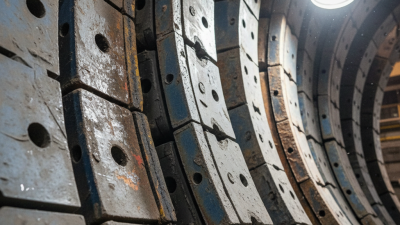
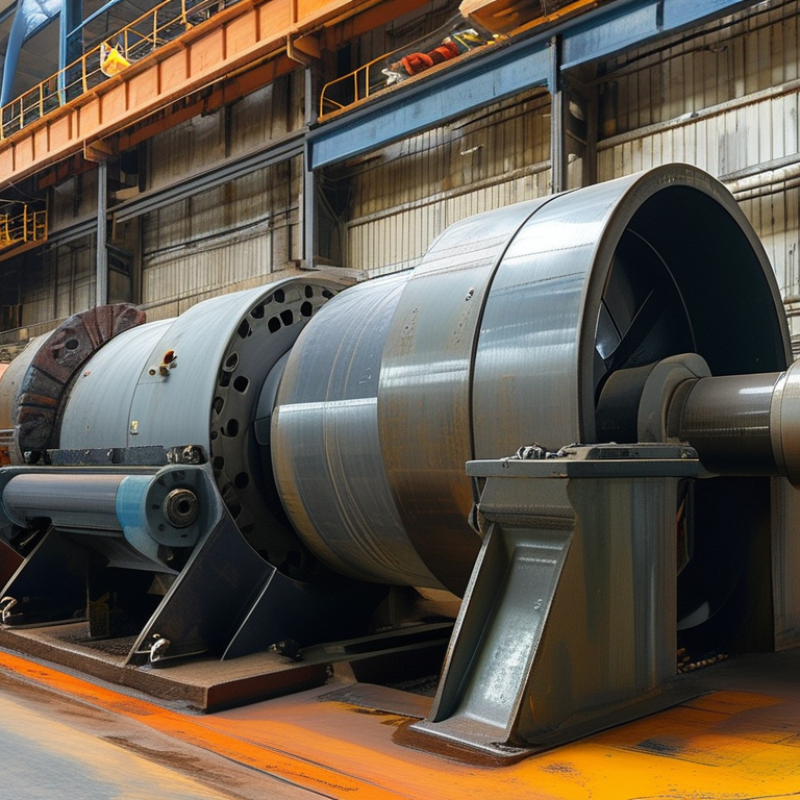
The liners in ball mills and SAG mills play a crucial role in the grinding process. They act as a protective layer, reducing wear on the mill structure. Proper liner design enhances the mill's efficiency and lifespan. It influences the movement of particles. This, in turn, affects the grinding performance. A good fit ensures optimal energy transfer and minimizes vibration.
Materials used for liners vary. Common options include rubber and metal composites. Each offers unique benefits depending on the application. Rubber liners provide noise reduction and are lighter, but wear out quicker. Metal liners, while durable, can increase wear on the mill itself. This trade-off requires careful consideration and can lead to performance inconsistencies.
Regular inspection and maintenance of liners are necessary. Over time, wear patterns emerge, affecting grinding efficiency. Operators must assess when to replace or repair liners to maintain optimal performance. Sometimes, even minor adjustments in liner placement can yield significant improvements. Predicting these needs can be challenging, necessitating a balance between experience and data analysis.
Types of Ball Mill Liners: Material Selection and Design Considerations
Selecting the right materials for ball mill and SAG mill liners is crucial for optimal performance. Common materials include steel, rubber, and composite options. Each has unique benefits and drawbacks that can impact grinding efficiency and wear resistance. For instance, rubber liners offer excellent noise reduction and are lighter, while steel liners provide superior durability and can handle heavy impacts.
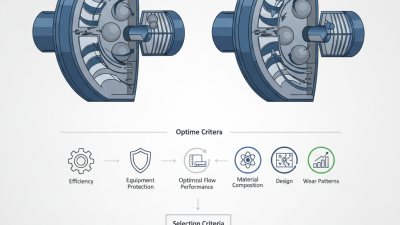
When choosing a liner design, consider factors like the mill’s application and size. Different designs cater to specific grinding conditions. For instance, lifter height and spacing can influence material flow and grinding efficiency. It’s essential to analyze the operations regularly to identify wear patterns and necessary adjustments.
Tips: Regular inspections can help identify signs of wear early. Replacing liners promptly can prevent excessive damage and optimize performance. Always consult with industry experts when contemplating significant changes, as their insights can steer you to better choices. Remember, a well-chosen liner not only improves efficiency but also extends the lifespan of your equipment. Finding the balance between cost and performance is often challenging but critically important.
Best Ball Mill and SAG Mill Liners for Optimal Performance
| Liner Type |
Material |
Thickness (mm) |
Weight (kg) |
Application |
| Shell Liner |
High Chrome Steel |
30 |
200 |
Ball Mills |
| Grate Liner |
Manganese Steel |
20 |
150 |
SAG Mills |
| Head Liner |
Rubber |
25 |
120 |
Ball Mills |
| Lifting Liner |
Composite |
35 |
180 |
SAG Mills |
| Wave Liner |
Alloy Steel |
15 |
100 |
Ball Mills |
SAG Mill Liners: Enhancing Performance and Wear Resistance
SAG mill liners play a crucial role in the grinding process. They enhance the mill's performance while improving wear resistance. The right liners ensure that the grinding media and ore interact effectively, promoting optimal energy transfer. By carefully selecting liner materials, operators can significantly reduce downtime due to wear and replacements.
Various designs of SAG mill liners are available, each tailored to specific operational needs. Some variations improve impact resistance, while others focus on wear life. This choice directly affects mill efficiency. It is essential to evaluate performance on an ongoing basis. Regular inspections can highlight issues before they escalate.
Performance metrics often reveal that certain liners may not deliver expected results. Operators may need to rethink their selections after a series of wear studies. This process should be proactive. Analyzing historical data can lead to better decisions. By continuously assessing mill performance, facilities can adapt and maintain optimal conditions for grinding efficiency.
Performance Comparison of Ball Mill and SAG Mill Liners
Impact of Liner Design on Mill Efficiency and Product Quality
The design of mill liners plays a crucial role in determining both mill efficiency and product quality. Properly designed liners can enhance the grinding process by improving the movement of charge within the mill. This leads to a more effective breakage of particles. When considering liners, their shape, material, and thickness are all key factors. Each of these aspects directly affects the dynamics of the grinding media.
In practice, many operators overlook how different liner designs can influence outcomes. For instance, a liner that promotes cascading media can increase impact energy. However, if the design leads to excessive wear, it may require more frequent replacements. This generates downtime and additional costs. Reflecting on these issues, operators may find it beneficial to reevaluate their current choices. They could seek alternative designs that offer better longevity and performance.
Another common oversight is the lack of communication between design engineers and plant operators. Designers might work on theoretical parameters, while operators face practical challenges. Collaboration is essential for achieving optimal liner performance. Sharing insights can lead to more reliable designs that truly enhance efficiency and product quality. In a field where every detail matters, addressing these gaps is vital for continuous improvement.
Maintenance Best Practices for Longevity of Mill Liners
Maintaining mill liners is crucial for optimal performance.
A well-maintained liner extends the lifespan of your mill. Regular inspections are needed to identify wear and tear early. Reacting quickly to signs of damage can prevent costly failures.
Tips: Check the lining regularly. Look for cracks or unusual wear patterns. Small issues can escalate quickly.
Proper cleaning routines help enhance performance. Accumulated material can wear out liners prematurely. Using the right cleaning methods protects the integrity of the liners.
Tips: Schedule routine cleaning. Use safe, efficient techniques that minimize damage.
Overloading a mill can lead to rapid wear. Operators must adhere to the manufacturer’s guidelines on load capacity. Awareness of load limits can save money and time.
Tips: Train staff on load management. Ensure everyone understands the importance of proper loading.
Incorporating these practices can lead to significant improvements. Reflection on past maintenance practices can provide insights for future efficiency.