2026 Best Construction Machinery Wear Parts for Global Buyers?
In the ever-evolving landscape of construction, selecting the right Construction Machinery Wear Parts is crucial. These components directly impact the efficiency and durability of heavy machinery. Understanding their significance can guide global buyers in making informed choices.
As we approach 2026, advancements in wear parts technology promise improved performance. Manufacturers are introducing materials that resist wear and tear better than before. However, the market is flooded with options, which can overwhelm buyers. Differentiating between brands and types is essential to avoid costly mistakes.
The right wear parts enhance machinery lifespan and reduce downtime. Yet, the challenge lies in balancing cost and quality. Some parts may appear cheaper initially but can lead to higher expenses later. Buyers must contemplate their choices carefully to ensure a reliable and efficient operation.
Overview of Construction Machinery Wear Parts in 2026
Construction machinery wear parts are crucial for maintaining the efficiency and reliability of heavy equipment. In 2026, the market is projected to grow significantly, driven by increased infrastructure projects globally. According to a recent industry report, the wear parts market is estimated to reach $25 billion by 2026, reflecting a CAGR of 6.5% from 2021.
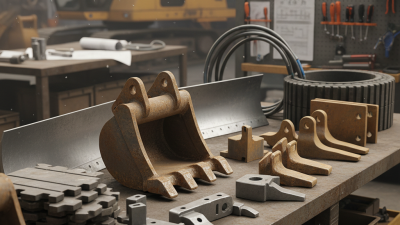
Key components include blades, buckets, and tracks. These parts face substantial wear due to harsh operating conditions. Understanding wear patterns can lead to better maintenance strategies. Research indicates that 30% of machinery downtime stems from wear-related failures. Applying predictive maintenance can reduce this significantly.
Regular inspections can identify wear before it causes failures. Additionally, consider sourcing from multiple suppliers to ensure quality and reliability. This strategy can mitigate risks and improve operational uptime. Watch for new materials and technologies that enhance durability. The development of advanced composites is an area to monitor, as these materials offer better resistance to wear. Balancing cost with quality is essential for optimal performance.
Key Factors Influencing Wear Parts Selection for Global Buyers
Selecting wear parts for construction machinery is a critical decision for global buyers. Various factors influence this choice, impacting performance and cost-effectiveness. One key aspect is material quality. Reports indicate that high-grade steel can enhance the lifespan of wear parts by 30%, reducing replacement frequency. Buyers should assess materials based on their strength, hardness, and compatibility with specific machinery.
Durability is another important consideration. The right wear parts must withstand harsh environmental conditions. Data shows that parts exposed to abrasive materials lose up to 50% of their efficiency over time. Global buyers need to evaluate wear resistance features, such as surface treatments or coatings, to ensure longevity and reliability.
Additionally, sourcing practices play a vital role. Understanding supplier credentials and production methods can help in selecting trustworthy wear parts. Inconsistent quality can lead to unforeseen maintenance costs and machine downtime. Some buyers report a lack of transparency in supplier practices, reflecting a need for improved communication and reliability in the supply chain. Making informed choices involves scrutinizing these dimensions closely for a successful procurement strategy.
Top Manufacturers of Construction Machinery Wear Parts Worldwide
When exploring the global market for construction machinery wear parts, it's essential to consider reliable manufacturers. These companies often lead the way in innovation and quality. They provide components such as buckets, blades, and cutting edges. High-quality wear parts can significantly affect the efficiency and lifespan of machinery.
Many top manufacturers focus on advanced materials and precise engineering. Their products are designed to withstand harsh conditions and heavy usage. Some may even engage in rigorous testing processes to ensure durability. However, the market is saturated, making it challenging to select the right suppliers. Researching customer reviews and industry certifications can be a good start.
While some manufacturers excel in certain areas, none are perfect. Issues like delayed shipments or fluctuating prices can arise. It's important for buyers to remain vigilant and adaptable. Ensuring that your chosen supplier has a strong reputation in customer service can mitigate potential problems. In this competitive landscape, establishing trust and reliability with a manufacturer is crucial.
Emerging Technologies in Wear Parts for Enhanced Durability
Emerging technologies in wear parts are reshaping the construction machinery sector. The global market for construction machinery wear parts is expected to reach $45 billion by 2026, driven by increased demands for durability and efficiency. Advances in material science are enabling the development of wear parts that resist extreme conditions and sustain longer operational life. Industry reports indicate that wear parts with advanced coatings can reduce wear by up to 30%, significantly cutting downtime for machinery.
For manufacturers, the focus is on integrating smart technology into wear parts. Sensors embedded in these components can provide real-time data on wear rates, helping operators schedule maintenance more effectively. A recent study found that predictive maintenance using such technologies can decrease repair costs by 20%. These innovations not only enhance equipment longevity but also optimize overall machinery performance.
It’s important to remember that not all technologies work seamlessly across all applications. Various environments may challenge even the best innovations. Understanding the specific demands of your operational conditions is crucial for selecting the right parts. Regularly reviewing performance data can also reveal opportunities for improvement.
Trends in Sustainable and Eco-Friendly Wear Parts for Construction Machinery
The construction machinery industry is undergoing a significant transformation, turning towards sustainable and eco-friendly wear parts. Reports indicate that the market for eco-friendly components is expected to grow by 20% annually. This shift is driven by increased regulations and a strong demand for green technologies.
Manufacturers are exploring innovative materials. Biodegradable polymers and recycled metals are now gaining traction. These materials not only reduce environmental footprints but also offer comparable performance to traditional options. Recent studies show that parts made from recycled materials can reduce production emissions by up to 30%. However, challenges remain. The supply chain for these materials is not yet fully developed. This creates obstacles in consistent quality and availability.
The need for sustainability is met with fluctuating market demands. While some companies embrace eco-friendly practices, others are hesitant due to cost concerns. Investing in research and development is crucial for overcoming these barriers. Despite setbacks, the drive towards greener solutions is undeniable. The trend suggests that the construction industry may be on the cusp of a sustainable revolution, but it requires ongoing commitment and reflection to achieve meaningful results.